
Dhow — Traditional Arab Sailing Vessel
Dhow: a long‑keeled, lateen‑rigged sailing vessel from the Red Sea and Indian Ocean region, used historically for trade, fishing and transport along coasts and rivers such as the Nile.
Overview
The dhow is a family of traditional sailing craft associated with the Red Sea, Persian Gulf and western Indian Ocean. Built with long, narrow hulls and one or more triangular lateen sails, dhows have been used for centuries by coastal communities for trade, fishing and transport. They remain a visible part of maritime life in parts of the Middle East and East Africa today.
Image gallery
10 Images




Characteristics and construction
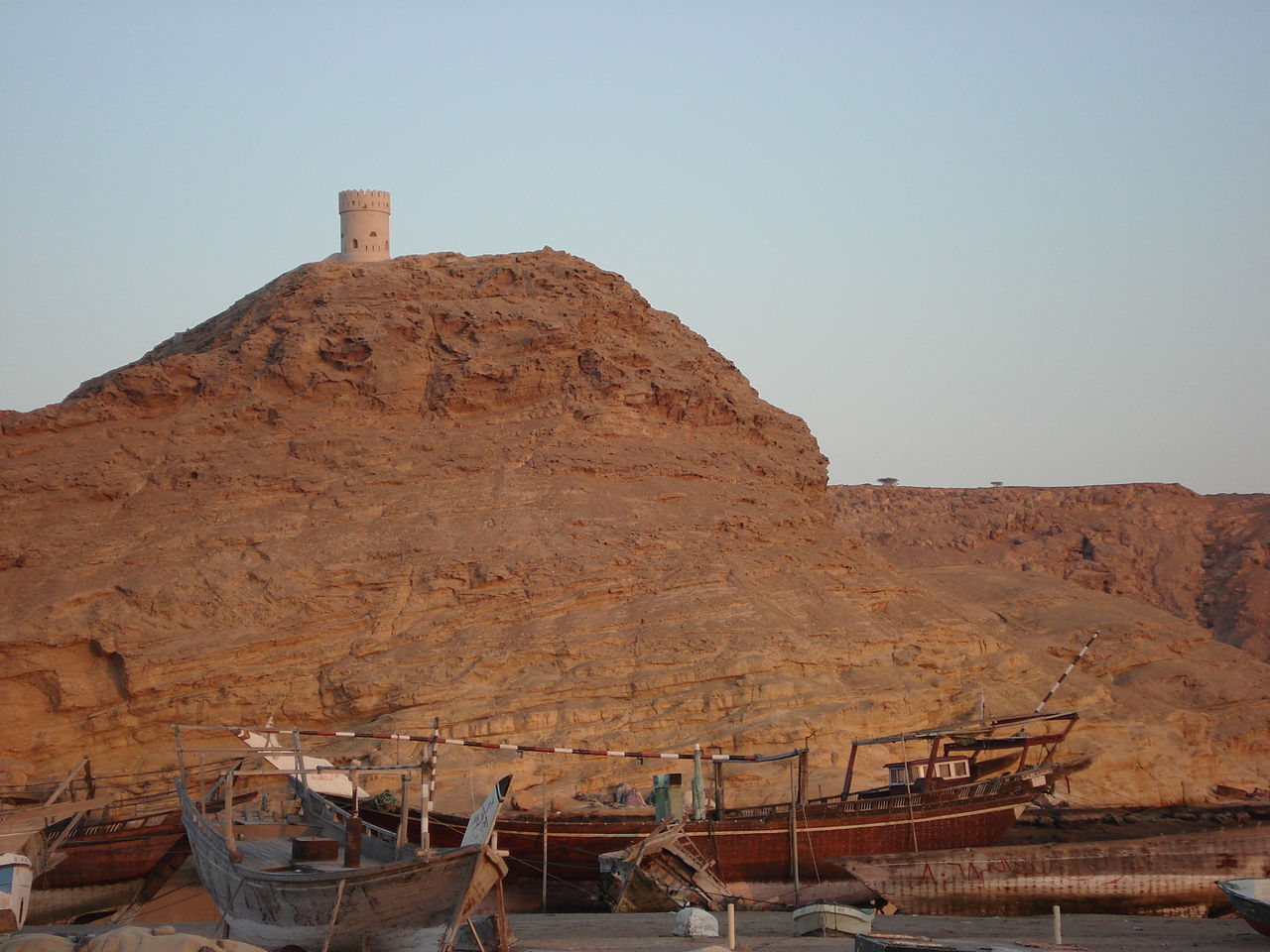
Typical dhows are constructed from timber, with a pronounced keel and a sharply raked prow. Their distinctive rig uses one or more large lateen (triangular) sails set on angled spars, which give good windward performance for traditional sailing techniques. Size and accommodation range from small single‑crew boats to large cargo dhows that took several sailors.
Types and variations
- Common regional types include the sambuk and the boum, differing in hull shape and cargo capacity.
- Local adaptations reflect purpose: coastal fishing dhows are smaller, while trading dhows have deeper holds.
- Design names and details vary across Arab, Persian and East African ports.
History and routes
Dhows developed in the Indian Ocean trading network and were instrumental in commerce between Arabia, East Africa, South Asia and the wider Indian Ocean rim. They frequently plied seasonal monsoon winds and were used to carry goods such as dates, spices and timber, as well as passengers. For riverine transport, similar rigged boats are sometimes used along the Nile and other waterways; see more on river craft via Nile river navigation.
Uses and modern relevance
Today dhows are still used for artisanal fishing, coastal trade, and cultural tourism. Preservation and revival efforts celebrate their role in regional maritime heritage. For background on their cultural context see Middle Eastern maritime traditions or general entries at reference sources.
Related articles
Author
AlegsaOnline.com Dhow — Traditional Arab Sailing Vessel Leandro Alegsa
URL: https://en.alegsaonline.com/art/27061