
Displacement (ship)
Weight of water a vessel displaces when afloat; used chiefly for naval vessels to express the ship's mass and compare load conditions, distinct from tonnage measures of volume or cargo capacity.
Displacement describes the mass of water a floating vessel pushes aside and, by Archimedes' principle, equals the weight of the vessel and everything aboard. In common usage among naval architects and naval services, displacement is the principal way to express a ship's weight. The term applies directly to a ship's overall mass rather than to internal volume or commercial capacity.
Image gallery
4 Images
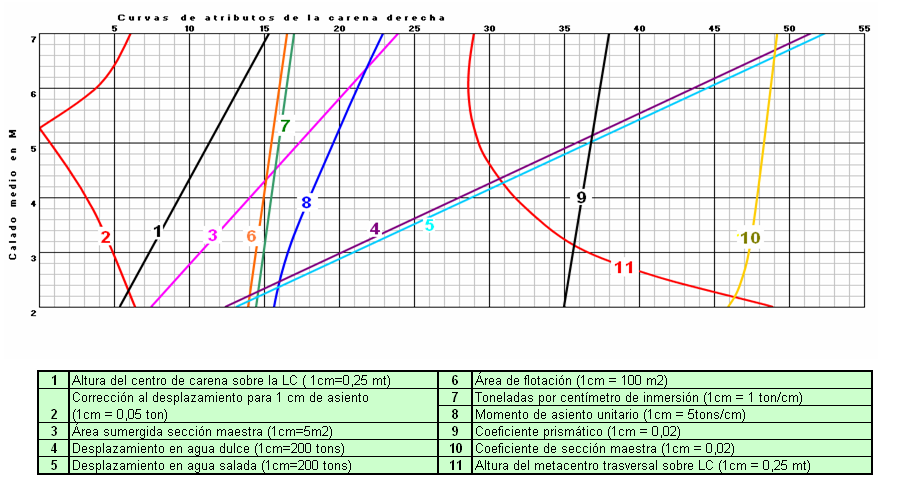

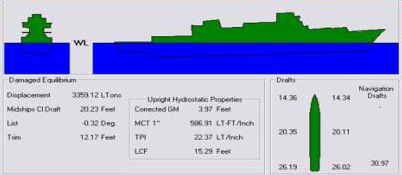
How displacement is measured
Measurement of displacement begins with the vessel's immersed volume — the volume of hull below the waterline — which multiplied by the water's density gives the displaced mass. Practically, displacement is reported in tons (historically long tons in many navies, now often metric tonnes) and varies with loading. Designers and operators specify particular conditions, for example an unloaded hull, a standard outfit, or a full-load condition with fuel, stores, ammunition and crew aboard.
Common displacement terms
- Light or lightweight displacement: the ship's weight without fuel, stores, cargo or crew.
- Full-load displacement: the ship fully equipped and laden for service, including fuel and consumables.
- Standard displacement: a naval convention used to compare warships under a defined set of inclusions and exclusions; exact definitions can vary by authority.
History and practical context
Displacement has been a fundamental concept since the beginnings of naval architecture because it directly influences buoyancy, stability, draft and resistance through water. In the age of iron and steel warships, displacement became particularly important for classifying warships and for treaty limits. Naval architects use displacement when calculating hull form, propulsion requirements and stability margins.
Uses and distinctions from other tonnage measures
Displacement differs from commercial tonnage measures that quantify internal volume or cargo capacity. Common alternative measures are:
- Gross tonnage / net tonnage: indices of internal volume used for regulation, fees and port services.
- Deadweight tonnage (DWT): the weight a vessel can safely carry, including fuel, cargo, passengers and stores; DWT plus lightweight equals full-load displacement.
Because displacement tracks actual mass, it is essential for naval performance predictions, stability calculations and ship-to-ship comparisons. A vessel's displacement changes with loading and fuel consumption, so published figures are usually qualified by the loading condition they represent.
Related articles
Author
AlegsaOnline.com Displacement (ship) Leandro Alegsa
URL: https://en.alegsaonline.com/art/27705