
Deuterium: Characteristics, Natural Occurrence, and Applications
Deuterium, a stable hydrogen isotope with one neutron, occurs sparsely in nature and forms heavy water. Explore its physical properties, natural abundance, and practical uses from reactors to NMR solvents.
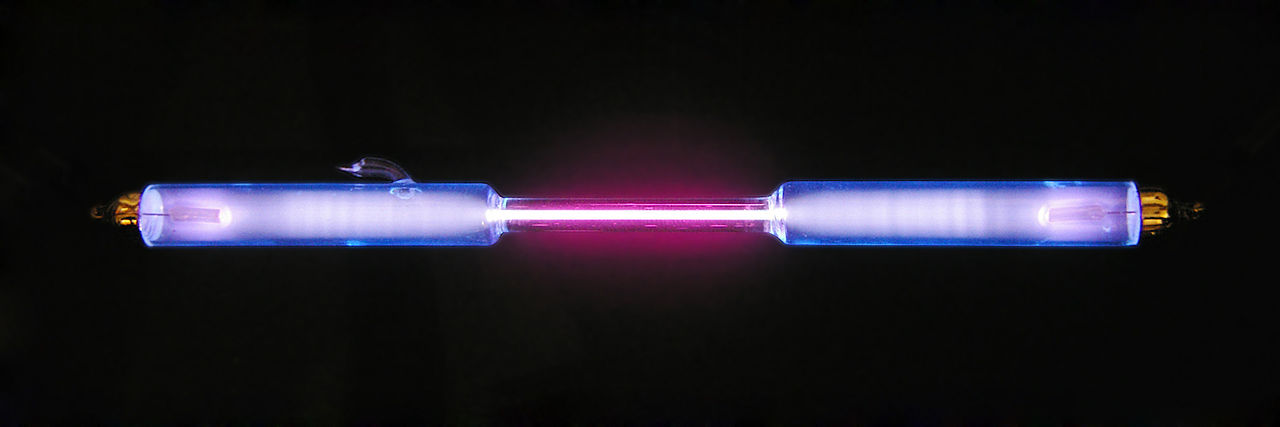
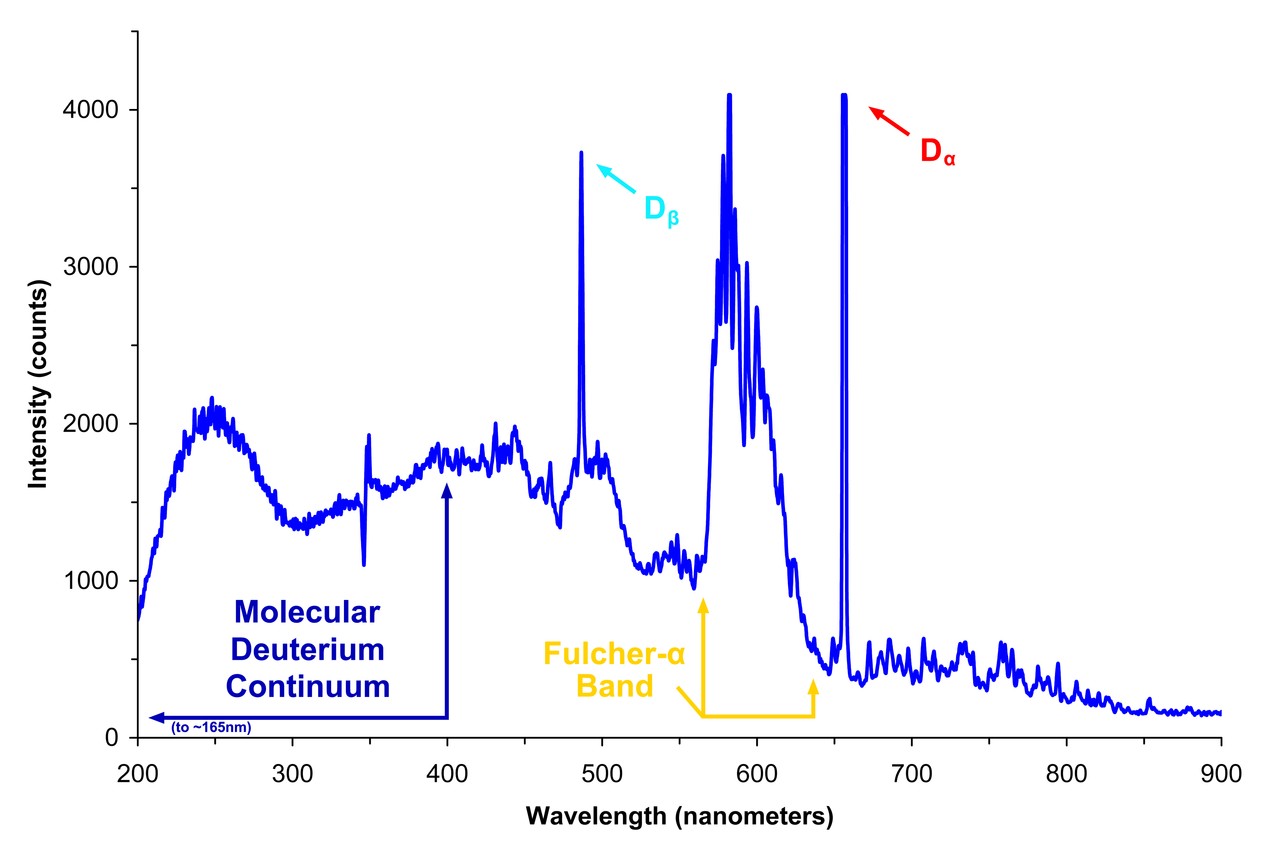
Deuterium is an isotope of hydrogen, the lightest element. Its nucleus contains one proton and one neutron>, whereas the most common hydrogen atom (protium) has only a proton. Another hydrogen isotope, tritium, carries two neutrons. In chemical notation the chemical symbol for deuterium is normally written as ²H; the single-letter symbol D is also widely used.
Image gallery
10 Images





Properties and natural occurrence
Deuterium is a stable, non-radioactive isotope with an atomic mass close to 2.014 u. It occurs naturally but is rare: roughly one in every 6,400 hydrogen atoms (about 0.015% or ≈150 parts per million) is deuterium in ordinary water.
Compounds and applications
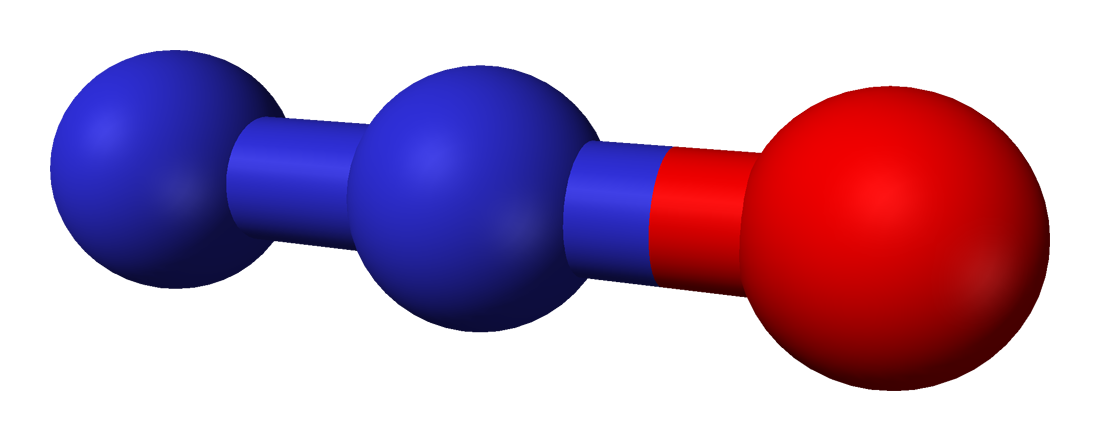
When two deuterium atoms bond to an oxygen atom the result is commonly called heavy water. Heavy water resembles ordinary water (H2O) chemically but has greater mass because each deuterium nucleus contains an extra neutron. This mass difference gives heavy water distinct physical and nuclear properties that make it useful as a moderator and coolant in certain types of nuclear reactors.
Deuterium-containing solvents are also important in spectroscopy: deuterated solvents serve as an inert solvent for samples in NMR spectroscopy. Because deuterium has different magnetic behaviour from protium, deuterated solvents do not produce the same signals in 1H NMR, allowing clearer observation of the sample's proton resonances.
Related articles
Author
AlegsaOnline.com Deuterium: Characteristics, Natural Occurrence, and Applications Leandro Alegsa
URL: https://en.alegsaonline.com/art/26936