
Deinotherium: the downward‑tusked prehistoric proboscidean
Deinotherium was a large extinct proboscidean with downward‑curving lower tusks that lived from the Miocene to the early Pleistocene across Africa, Europe and Asia.
Deinotherium was a distinctive, extinct member of the order Proboscidea, the group that includes modern elephants. It is placed in its own family, Deinotheriidae, and is best known for the unusual pair of tusks that projected from the lower jaw and curved downward. Fossils show this genus existed from the middle Miocene into the early Pleistocene, and its remains have been recovered from multiple continents.
Image gallery
10 Images
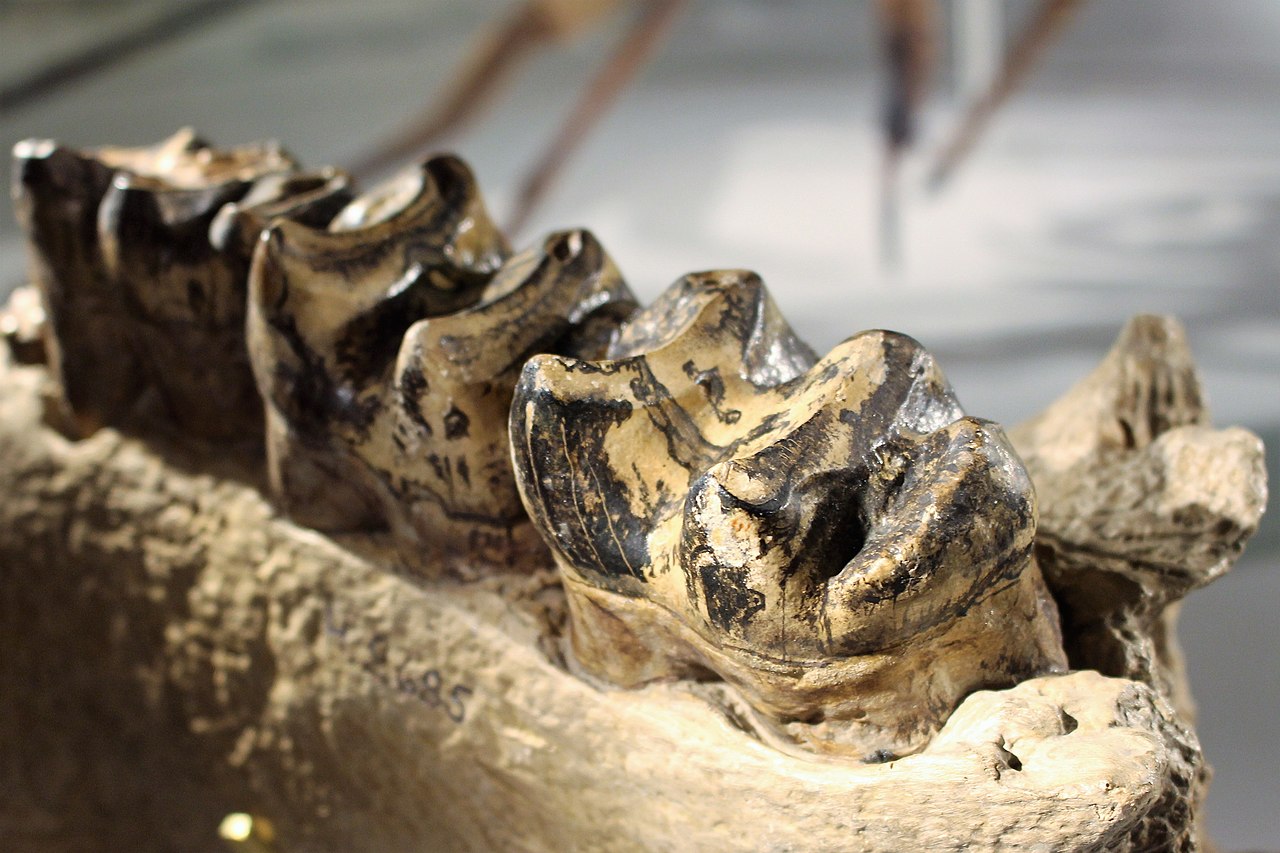


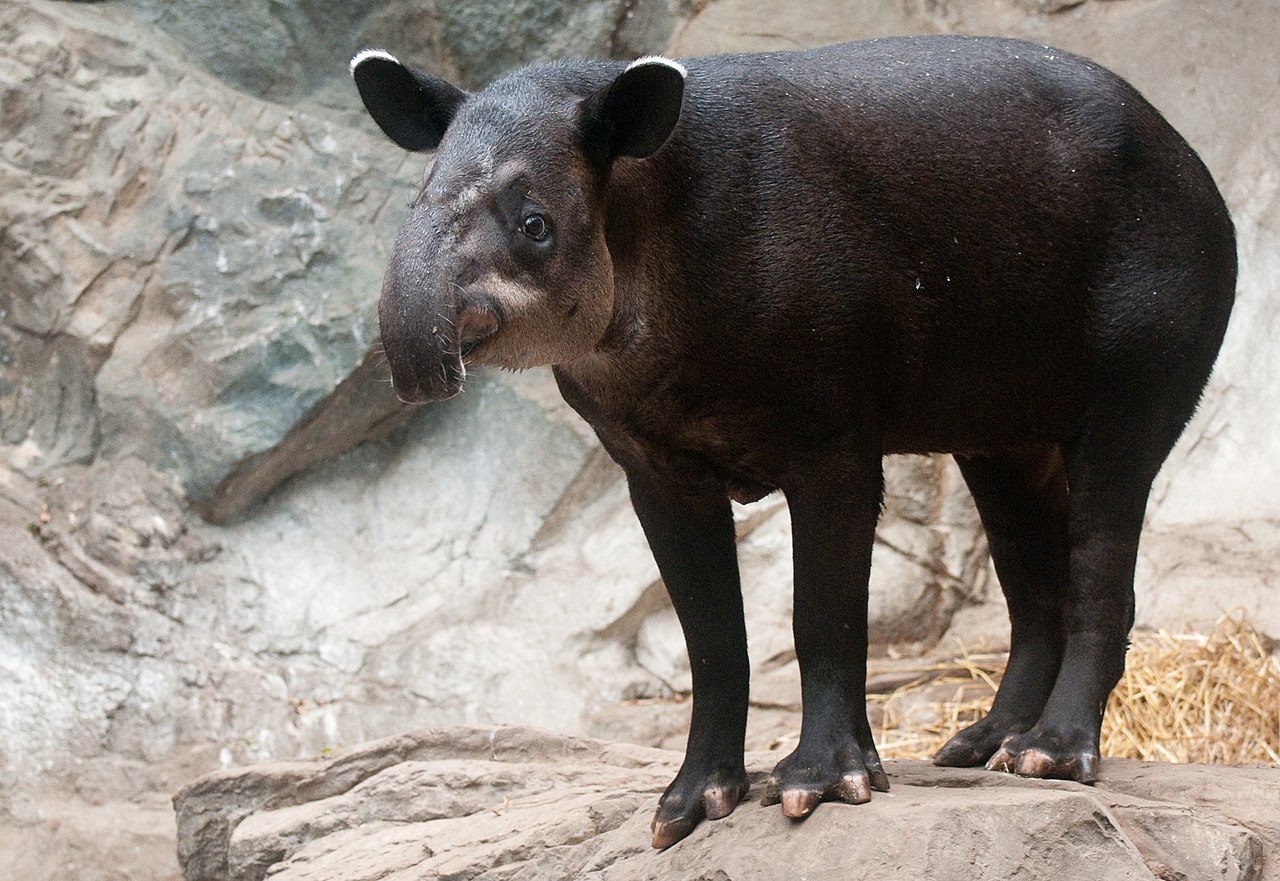
Physical characteristics
Deinotheres were among the largest terrestrial mammals of their time, often exceeding the size of living elephants. Their skulls and teeth indicate a proboscidean body plan with a trunk, though the exact form of the soft tissues is inferred rather than preserved. The hallmark feature is the downward‑curving lower tusks, lacking the typical upper tusks of modern elephants. Teeth and jaw structure suggest a grinding dentition adapted to processing plant material rather than the specialized grazing teeth seen in some other fossil proboscideans.
Range, species and timeline
Species of Deinotherium are known from Africa, Europe and Asia. Well‑known species names appear in the paleontological literature and reflect variation in size and proportions across regions. The lineage first became prominent during the warmer, wetter environments of the Miocene and persisted into cooler intervals before disappearing in the early Pleistocene. Paleontologists place the animal within the broader context of proboscideans and compare it to modern elephants to understand locomotion and feeding.
Diet and behavior
The function of the downturned tusks has been debated. Hypotheses include using the tusks to strip bark and access cambium, to pull down branches and leaves, or to probe and dig for subterranean foods such as roots and tubers. Its teeth and jaw mechanics indicate a browser or mixed feeder that occupied wooded and riparian habitats rather than open savannahs. The Miocene environments where it thrived were generally warmer and moister than many of the regions it later inhabited.
Fossils and scientific importance
Deinotherium fossils have been found at many notable paleontological sites. Material from Europe and Asia documents the genus' long temporal range, while African fossils show later persistence on that continent. In some African localities the remains of Deinotherium occur alongside fauna important to studies of human evolution; this co‑occurrence helps reconstruct past ecosystems and climates. Field reports and museum collections continue to refine its geographic distribution and variation.
Notable facts and distinctions
- Deinotherium belongs to the family Deinotheriidae, separate from the elephant family (Elephantidae).
- Its tusks emerged from the lower jaw and curved downward—unlike the upper tusks of modern elephants.
- It lived across Africa, Europe and Asia, reaching into the Indian Subcontinent in some records.
- Fossils span roughly the interval from the Miocene to the early Pleistocene.
For contextual reading and databases, paleontologists and enthusiasts often consult specialized resources and site reports. General introductions link the taxon to broader proboscidean research (proboscideans overview), comparisons with modern elephants, and regional faunal lists for African, Asian and European fossil localities. The genus also appears in discussions of early hominin environments because its remains are found at some sites alongside hominid fossils (hominids).
Researchers continue to study skulls, jaws and postcranial bones to better understand locomotion, feeding mechanics and life history. As new discoveries and modern analytical methods refine dates and relationships, the picture of how Deinotherium lived and why it vanished becomes clearer. For deeper technical references and specimen records consult specialized paleontological literature and museum catalogues (chronology sources, dietary studies). Additional overviews and database entries are available through regional natural history resources (South Asian sites, Miocene summaries, hominid site reports).
Questions and answers
Q: What is Deinotherium?
A: Deinotherium was a large proboscidean related to modern elephants, with downward curving tusks.
Q: What is notable about Deinotherium's tusks?
A: Deinotherium's tusks are curved downwards.
Q: Where and when was Deinotherium known to have lived?
A: Deinotherium was known to have lived from the middle Miocene to the early Pleistocene in parts of Africa, Asia, and Europe.
Q: How does Deinotherium compare in size to modern-day elephants?
A: Deinotherium was larger than today's elephants.
Q: What are some debated uses of Deinotherium's tusks?
A: It is debated that Deinotherium might have used its tusks to root in soil for underground plant parts like roots and tubers, pulled down branches to snap them and reach leaves, or stripped soft bark from tree trunks.
Q: What was the environmental context in which Deinotherium lived?
A: Deinotherium lived in muddy tropical rivers and forests, not the dry savannahs of today.
Q: Where have Deinotherium fossils been found in relation to the remains of prehistoric hominid relatives of modern humans?
A: Deinotherium fossils have been uncovered at several of the African sites where remains of prehistoric hominid relatives of modern humans have also been found.
Related articles
Author
AlegsaOnline.com Deinotherium: the downward‑tusked prehistoric proboscidean Leandro Alegsa
URL: https://en.alegsaonline.com/art/26324