
Dehradun — Capital of Uttarakhand and Principal City of the Doon Valley
Dehradun, the administrative capital of Uttarakhand, lies in the Doon Valley between the Ganges and Yamuna. Known for schools, research institutions, scenic foothills and as a gateway to Himalayan destinations.
Dehradun is the administrative capital and largest city of the Indian state of Uttarakhand. It occupies the Doon Valley, a broad intermontane basin formed between the courses of two major rivers, the Ganges and the Yamuna. The city sits at the lower foothills of the Himalayas and is noted for its tree-lined avenues, nearby forested slopes and a mix of urban services and hill-station character.
Image gallery
10 Images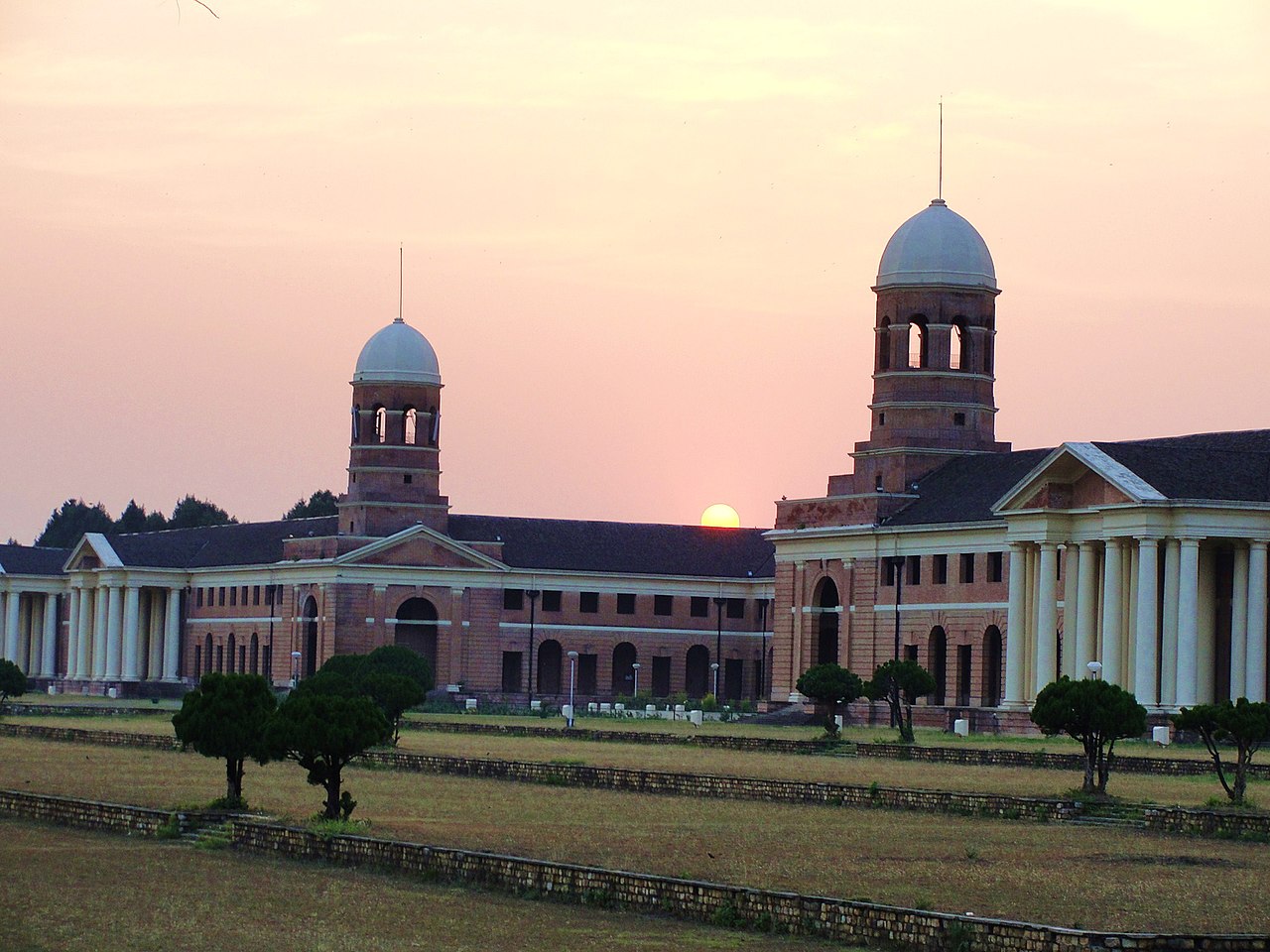


Geography and setting
Dehradun's position in the valley gives it varied terrain — river terraces, cultivated plains and wooded ridges — and a strategic location on routes leading north into the mountains. The surrounding landscape and elevation moderate the climate relative to the adjacent plains, contributing to its appeal as a residential and seasonal retreat. For regional context see the state overview information and broader landscape guides here.
History and development
The area around Dehradun has long been a crossroads between plains and mountain trade and pilgrimage routes. It expanded from villages and monastic settlements into a colonial-era cantonment and administrative centre, later developing into a permanent urban centre as government offices, schools and research institutions concentrated in the city.
Education, research and economy
Dehradun is widely recognised for its boarding schools, colleges and national research institutes in fields such as forestry, agriculture and earth sciences. Public administration, education, tourism and associated services form important parts of the local economy. The presence of institutions contributes to a steady flow of students, academics and visitors year round.
Tourism and notable places
The city is a convenient base for excursions to nearby hill resorts, pilgrimage sites and national parks. Typical attractions include botanical and campus gardens, colonial-era buildings, local markets and trailheads into Himalayan valleys. Highlights often visited by travellers include:
- Botanical gardens and tree-lined parks that display regional flora
- Heritage and colonial-era architecture and educational campuses
- Access points for mountain treks, river valleys and pilgrimage routes
Climate, transport and practical notes
Dehradun has a climate influenced by elevation and Himalayan proximity, with warm summers, a monsoon season and cool winters. The city is connected by road and rail and served by a nearby airport, making it an accessible gateway to higher mountain destinations. Visitors seeking official guidance can consult state resources linked above for travel, administration and tourism updates.
Related articles
Author
AlegsaOnline.com Dehradun — Capital of Uttarakhand and Principal City of the Doon Valley Leandro Alegsa
URL: https://en.alegsaonline.com/art/26308