
Defoliant (leaf‑removing chemical agents)
A defoliant is a chemical formulated to cause plants to lose their leaves. Used in agriculture, forestry and historically in military operations, defoliants vary in chemistry, effects and risks.
A defoliant is a substance applied to vegetation to cause the leaves or foliage to drop off, reducing cover or preparing plants for harvest. Defoliants are a category of plant control chemicals related to herbicides but are intended primarily to remove leaves rather than immediately kill the entire plant. They are used on a variety of plants for different practical purposes.
Image gallery
4 Images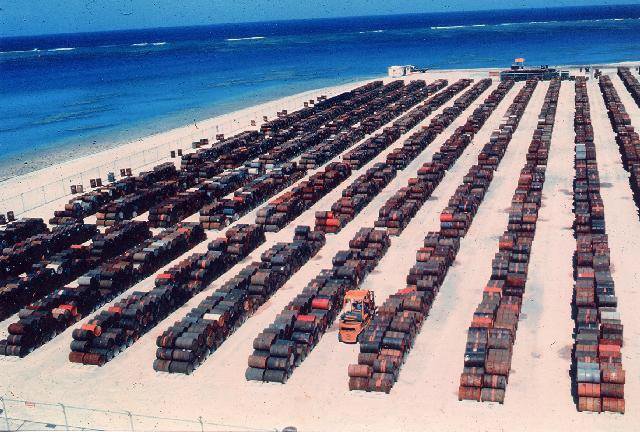


Characteristics and how they work
Defoliants act by disrupting normal physiological processes in leaves: they may block growth hormones, damage leaf cells, or accelerate aging so leaves fall away. Some are fast‑acting contact chemicals that scorch foliage, while others are systemic and move through the plant. Target vegetation can include trees, bushes and grass, though formulations and application rates differ by species and intended outcome.
Common types and examples
- Phenoxy compounds (historically used in mixtures) and synthetic auxins that alter growth signalling.
- Contact desiccants that cause rapid leaf death and drop.
- Specialized agricultural defoliants used to remove cotton leaves before mechanical harvesting or to promote even crop drying.
History and notable uses
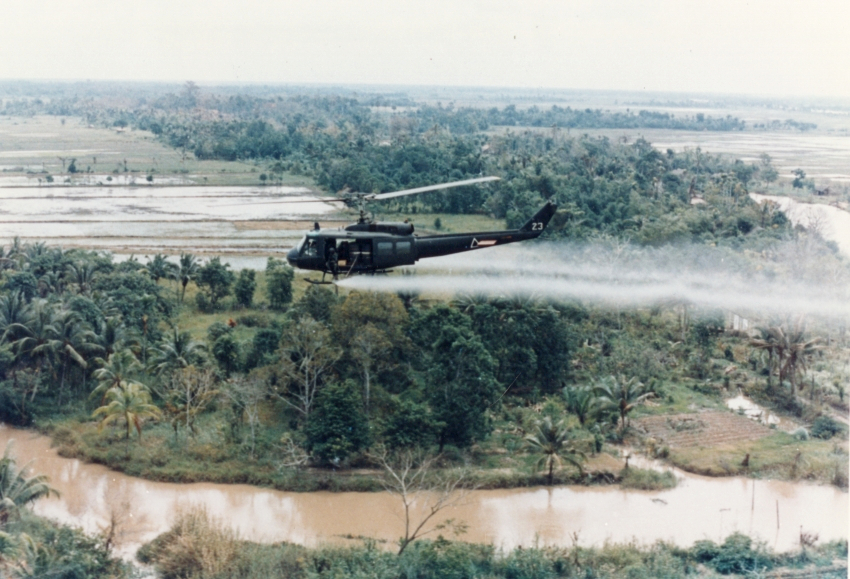
Defoliants have long been applied in civilian settings such as agriculture and forestry. They also gained international attention for military use in the 20th century. A prominent example is Agent Orange, a blend of phenoxy herbicides used by the United States during the Vietnam War to remove jungle cover. Large‑scale spraying in wartime led to widespread environmental damage, including loss of forest and wetland habitat, and drew scrutiny because the mixture was contaminated with toxic dioxins that harmed ecosystems and human health, severely affecting the rainforest and contributing to serious health outcomes linked to cancer and congenital conditions often described as birth defects.
Applications, risks and regulation
Today, use of defoliants is governed by agricultural best practices, safety regulations and environmental laws. Benefits include facilitating harvest, controlling unwanted cover, and reducing fire fuel in some managed settings. However, risks include harm to non‑target plants and animals, soil and water contamination, and human health effects from exposure. Many active ingredients are restricted, subject to careful labeling, and replaced by less persistent alternatives where possible.
Distinctions and notable facts
Defoliants should be distinguished from broad‑spectrum herbicides that aim to kill whole plants and from desiccants that rapidly dry vegetation. Selection of a defoliant depends on objectives (temporary leaf removal vs long‑term plant suppression), target species, and environmental considerations. Awareness of historic abuse and documented harms has influenced modern regulation and encouraged development of safer pest‑management techniques.
For further reading on specific chemicals, their effects and legal status, consult regulatory agencies and scientific reviews that assess risks, residues and remediation approaches. Plants, ecosystems and communities all respond differently to defoliation, so use is typically guided by technical guidance and local laws.
Related articles
Author
AlegsaOnline.com Defoliant (leaf‑removing chemical agents) Leandro Alegsa
URL: https://en.alegsaonline.com/art/26285
Sources
- news.bbc.co.uk : Tom Fawthrop. Vietnam's war against Agent Orange