
Dendrobium — overview of the large orchid genus
Dendrobium is a diverse genus of orchids with around 1,000 species native to the Eastern Hemisphere. This article covers its traits, distribution, cultivation, uses and conservation issues.
Overview
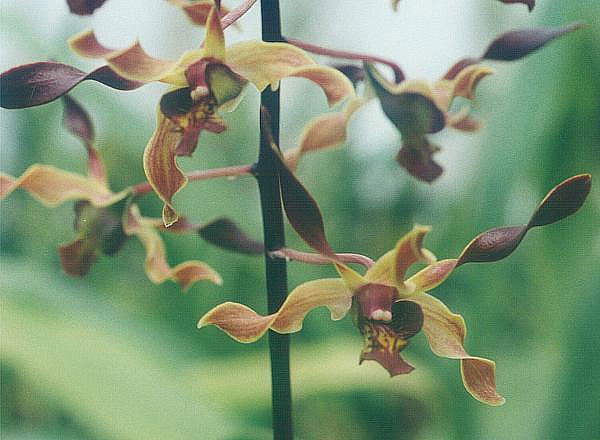
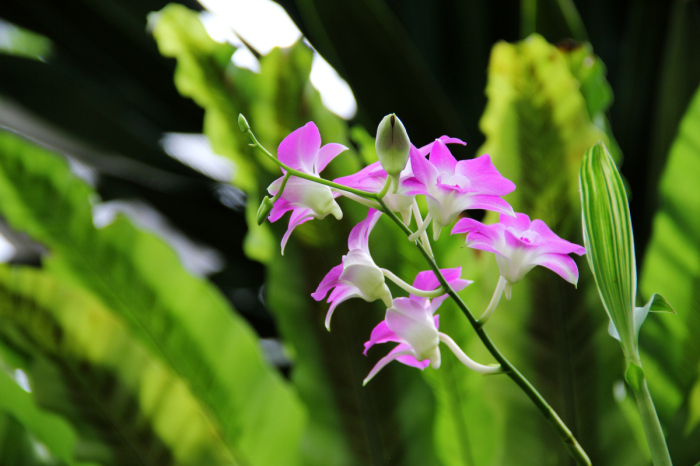
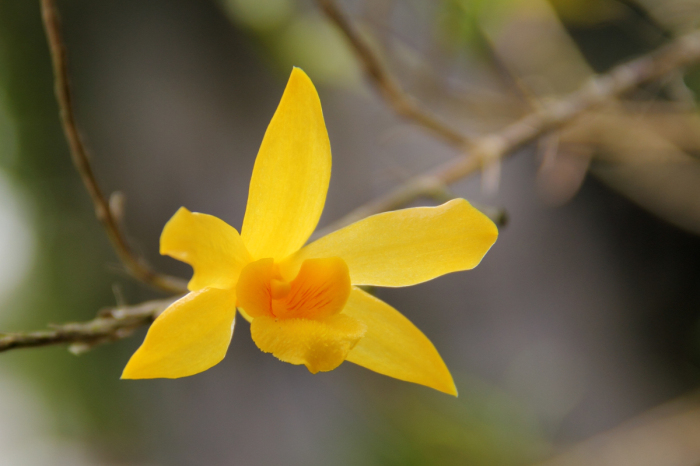
Dendrobium is one of the largest genera of orchids and contains approximately 1,000 described species. Members of this genus display a wide range of growth forms, flower shapes and colors, which has made them important in horticulture and hybrid breeding. For general background on orchids see orchid resources, and for species lists consult specialist catalogues such as species databases.
Image gallery
10 Images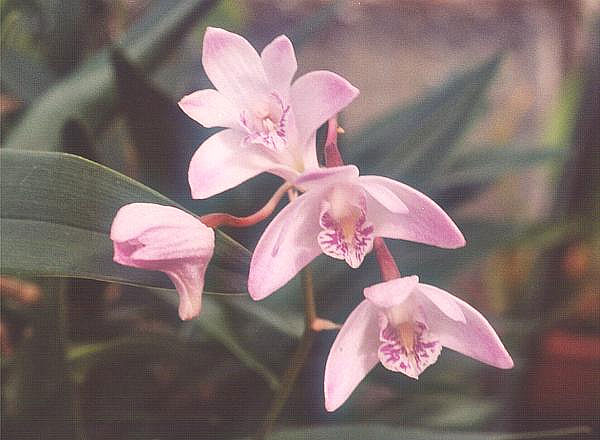




Characteristics and parts
Dendrobiums vary greatly, but several features are common. Many are epiphytes (growing on trees) or lithophytes (growing on rocks), and they typically produce cane-like stems or pseudobulbs and a terminal or lateral inflorescence. Flowers range from small and delicate to large and showy; some species are fragrant while others are not.
- Growth habit: epiphytic, lithophytic, occasionally terrestrial
- Stems: cane-like, sometimes jointed, often persistent
- Leaves: variable in size and persistence depending on species
- Flowers: diverse in color, form and fragrance
Distribution and natural habitat
Dendrobium species occur only in the Eastern Hemisphere. Their native range extends from Australia across the South Pacific and Philippines, through much of Southeast Asia, into India, with a limited number found in Japan. Habitats include lowland rainforests, montane cloud forests and seasonally dry woodlands, which contributes to the genus's ecological and cultural diversity.
History, taxonomy and notable groups
The genus has long been recognized by botanists and has been divided into numerous sections and informal groups to reflect its diversity. Taxonomic treatments have changed over time as botanists study morphology and genetic relationships; some formerly separate genera have been merged or redefined. Because of the number of species and variability, classification remains an active field of research.
Uses, cultivation and examples
Dendrobiums are highly valued in horticulture for their often abundant and colorful blooms. Many species and hybrids are grown by hobbyists and commercial growers. Cultural requirements differ by species, but a few practical guidelines apply:
- Light: most prefer bright, filtered light rather than deep shade
- Temperature: requirements range from warm-growing to cool-growing depending on origin
- Water and rest: many need a drier or cooler rest period to initiate flowering
- Potting: well-draining media and good air circulation around roots are important
Some species have also been used in traditional remedies and local customs, and several are staples of the cut-flower trade and orchid shows.
Conservation and notable facts
Habitat loss, deforestation and overcollection threaten certain Dendrobium species in parts of their range. Conservation efforts include habitat protection, cultivation through nurseries and regulation of trade. The genus's high diversity and ease of hybridization have produced a large number of named cultivars, making Dendrobium both a subject of botanical research and a popular group for growers and collectors.
Related articles
Author
AlegsaOnline.com Dendrobium — overview of the large orchid genus Leandro Alegsa
URL: https://en.alegsaonline.com/art/26550