
Dassault Mirage F1
A French single‑engine, supersonic fighter and attack aircraft designed by Dassault Aviation in the 1960s; exported widely and used in air‑defence, ground‑attack and reconnaissance roles.
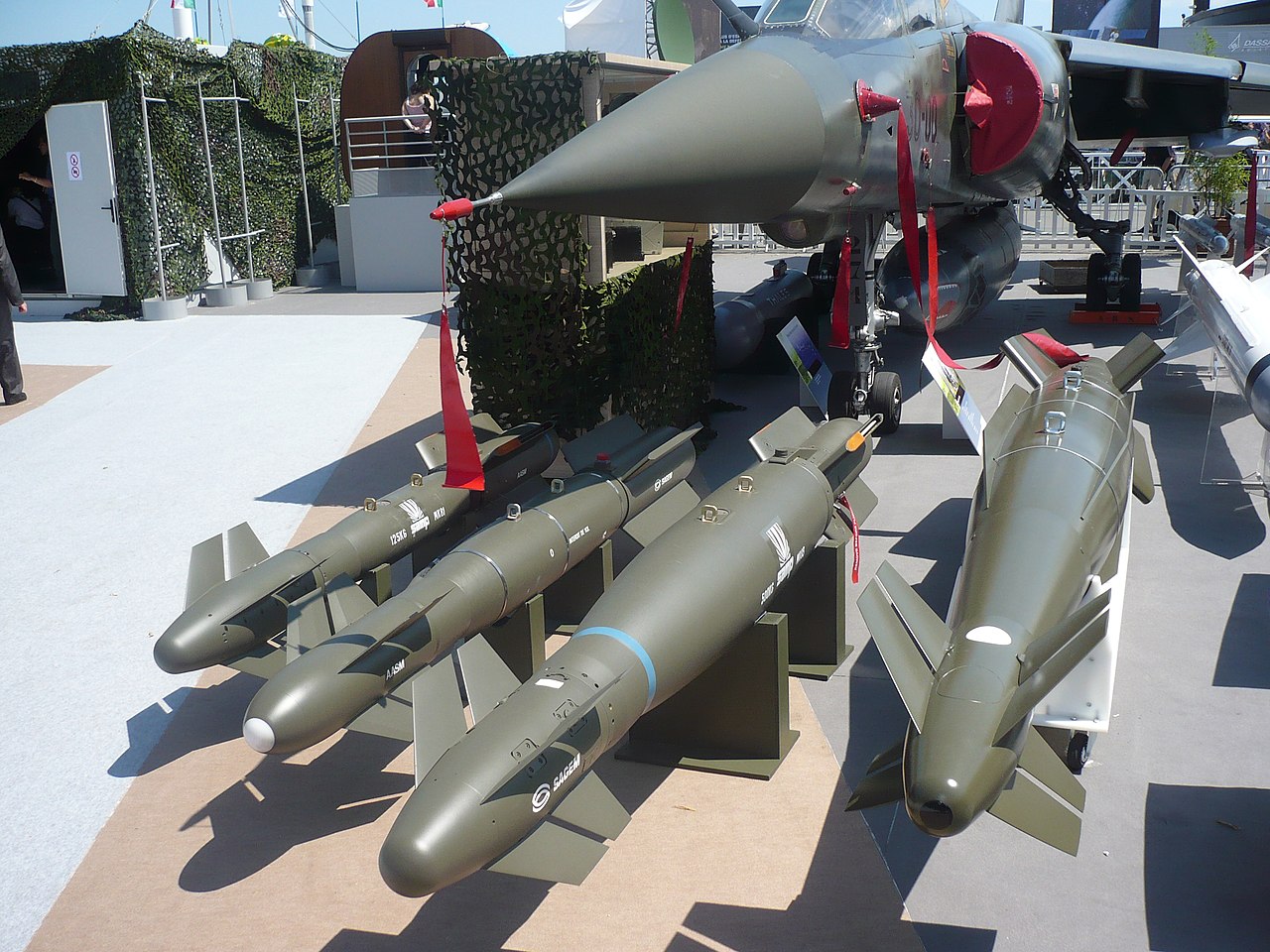
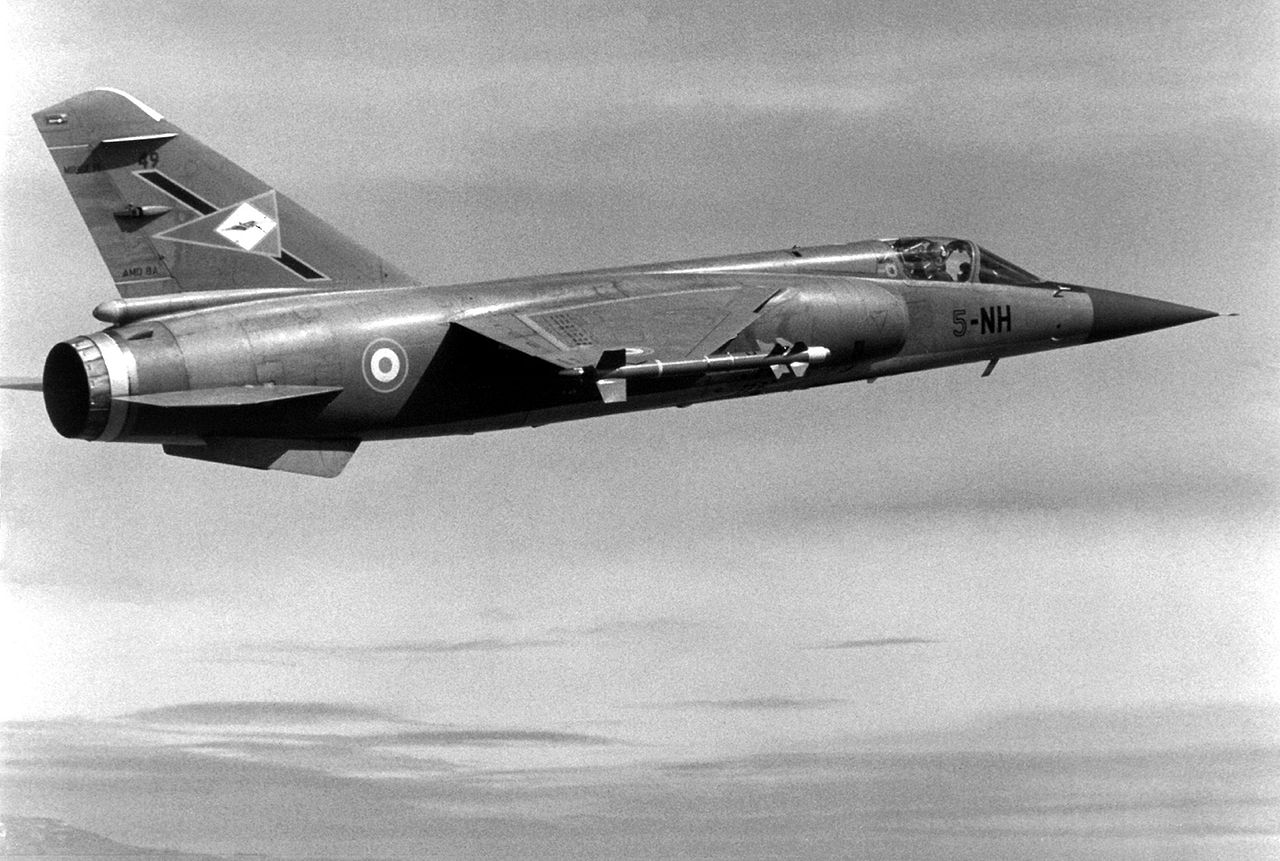
The Dassault Mirage F1 is a French single‑engine, supersonic fighter and ground‑attack aircraft developed by Dassault Aviation. Conceived as a successor to earlier delta‑wing Mirages, the F1 first flew on 23 December 1966 and entered service with the French Air Force in the early 1970s. It combined a conventional swept wing with a nose designed for a radar and pilot visibility suited to interception and strike missions.
Image gallery
10 Images


Design and characteristics
The Mirage F1 uses a single turbojet with afterburning capability and a swept, high‑mounted wing that improved handling at low altitudes compared with the delta‑wing Mirages. The airframe accommodated various avionics suites and weapons pylons under the wings and fuselage. Standard equipment typically included a forward cannon plus the ability to carry air‑to‑air missiles, rockets, and bombs, making it a flexible platform for multiple mission types.
Variants and roles
Manufactured in several versions, the type was offered as single‑seat fighters, two‑seat trainers, and specialized reconnaissance or strike models. Typical roles and fitted variants include:
- Air‑defence/interception: versions equipped for air superiority and radar‑guided engagements.
- Ground attack/strike: strengthened for low‑level attack and equipped to carry bombs and rockets.
- Reconnaissance and training: photographic and electronic reconnaissance adaptations and two‑seat trainer conversions.
Service history and operators
Produced from the late 1960s into the 1990s, the Mirage F1 was exported to a number of countries and served with many air arms around the world. Longstanding and notable users have included states such as Iran and Morocco, as well as several European and African nations. The type saw operational use in a number of regional conflicts and remained in service with some operators decades after its introduction due to upgrades and local maintenance programs.
Notable facts and legacy
The Mirage F1 is often contrasted with Dassault's delta‑wing designs: its swept wing gave different aerodynamic characteristics that suited low‑altitude and multirole operations. While newer fighters have largely replaced it in many air forces, the F1's adaptability, export success, and long service life contributed to Dassault's reputation for producing robust combat aircraft. Ongoing preservation efforts keep examples in museums and private collections.
For further technical details, service records and variant lists, consult specialized sources and national air force histories via general aviation reference portals such as aircraft type pages, defense analyses at aviation report sites, and operator histories retrievable from public military archives and manufacturer materials.
Related articles
Author
AlegsaOnline.com Dassault Mirage F1 Leandro Alegsa
URL: https://en.alegsaonline.com/art/25620
Sources
- fas.org : "MIRAGE F1"