
Declaration of War: Meaning, History, Legal Context, and Modern Practice
A formal announcement by a government that a state of war exists. Covers definition, historical evolution, legal limits under the UN, changes in practice since the 20th century, and key distinctions.
Overview
A declaration of war is a formal statement by a national government that a state of armed conflict exists between that nation and one or more other entities. Such declarations traditionally served to notify domestic institutions, other states, and neutral parties of the legal and diplomatic consequences of open hostilities.
Image gallery
2 Images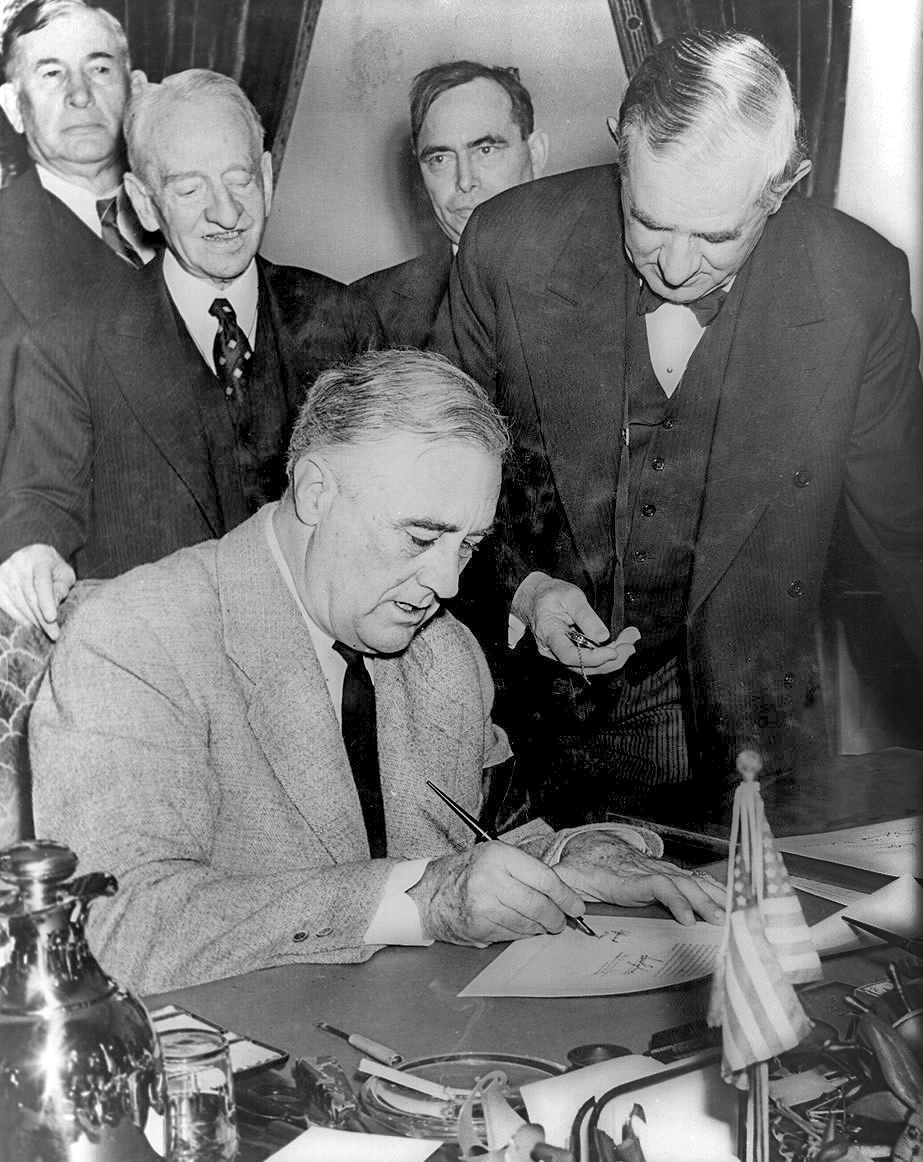

Typical elements and effects
- Announcement: An official proclamation by an executive, legislature, or both.
- Legal consequences: Changes to the application of civil and military law, treatment of enemy property and prisoners, and the rights of neutrals.
- Public notice: Communication to other states and often to the population to justify and explain the action.
Historical development
Formal declarations emerged in European practice during and after the Renaissance, when codified diplomatic norms and printed proclamations became common. For centuries declarations were part of recognized wartime ritual: they framed the legal status of combatants, justified blockades or seizures, and distinguished war between states from other forms of violence. Over time, the formality and frequency of declarations varied with changes in diplomacy and the scale of conflicts.
Modern legal context
The 20th century saw a major shift. International institutions and treaties sought to limit the resort to force. The postwar international order restricts states to limited lawful grounds for using armed force, chiefly collective security authorizations and self-defense when attacked; this altered how and when governments choose to announce hostilities. As a result, many contemporary military actions proceed without a formal war declaration.
Practice and examples
Declarations of war remain a clear, if increasingly rare, instrument. Some states retain statutory procedures for declaring war; others rely on legislative authorization for the use of force or executive orders. In practice, modern conflicts often begin with operations, resolutions, or public statements rather than classic formal declarations, and debates about legality and political legitimacy commonly follow.
Notable distinctions and considerations
- Declaration vs. authorization: Some governments frame military action as an act of defense or require parliamentary approval rather than a formal declaration.
- Declared war vs. armed conflict: A declared war is a political-legal act; an armed conflict exists whether formally announced or not, and carries humanitarian law obligations.
- Diplomacy and notice: Declarations historically played a role in diplomacy by clarifying claims and expectations among states and neutrals.
For further reading on the concept, legal norms, and historical cases consult academic treatments and primary documents related to the evolution of interstate warfare and international law. See also general discussions of a state of war and contemporary mechanisms for collective security.
nation | state of war | diplomacy | Renaissance | defend
Related articles
Author
AlegsaOnline.com Declaration of War: Meaning, History, Legal Context, and Modern Practice Leandro Alegsa
URL: https://en.alegsaonline.com/art/26180