
Death squad
Armed, clandestine groups that carry out extrajudicial killings—often targeting political opponents or civilians—used in political repression, conflict, and criminal campaigns worldwide.
A death squad is an armed, typically clandestine group organized to carry out targeted killings, disappearances, or other forms of extrajudicial violence. Such units operate outside or alongside formal legal systems and are frequently directed against political opponents, perceived dissidents, members of particular communities, or rival criminal networks. The term stresses the intentional, lethal nature of their activity and their extrajudicial status.
Image gallery
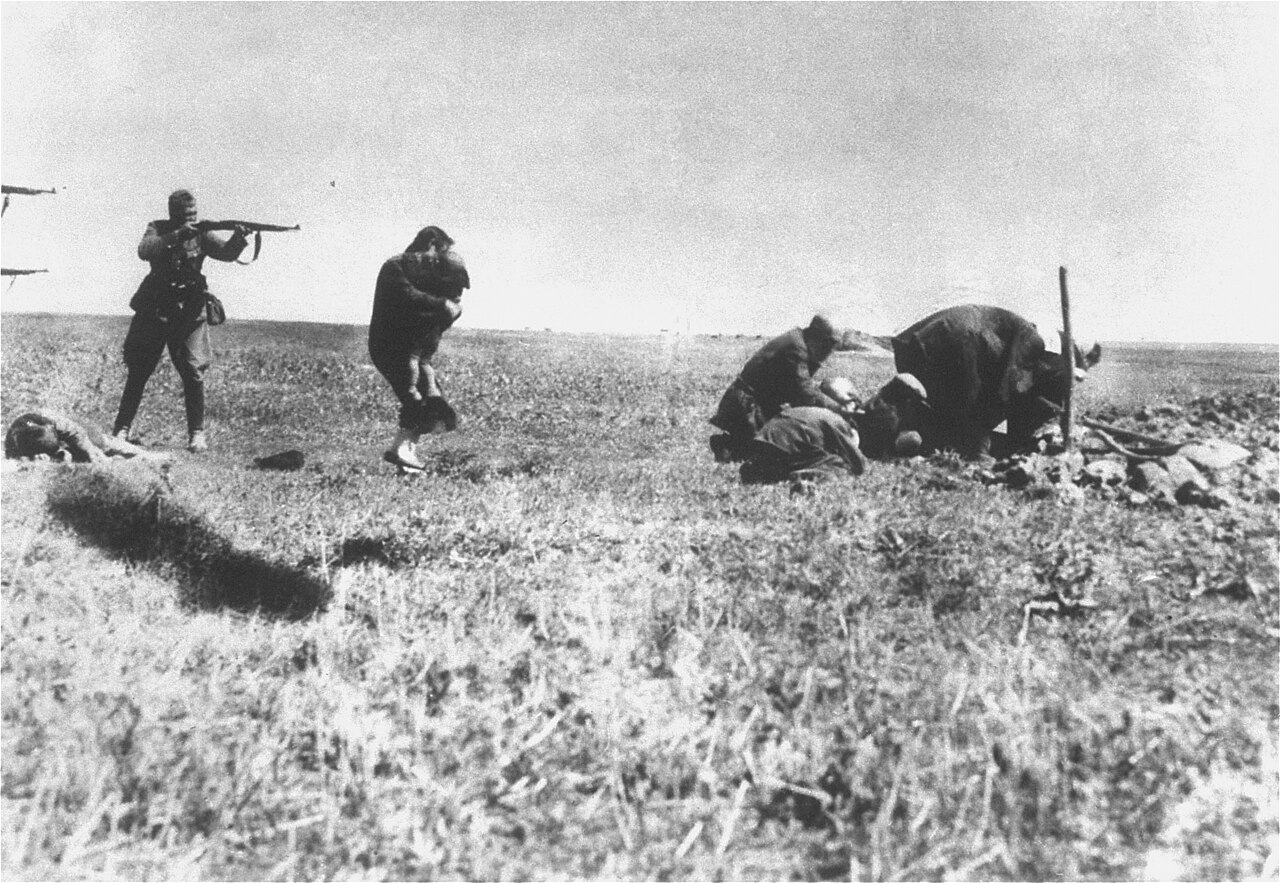
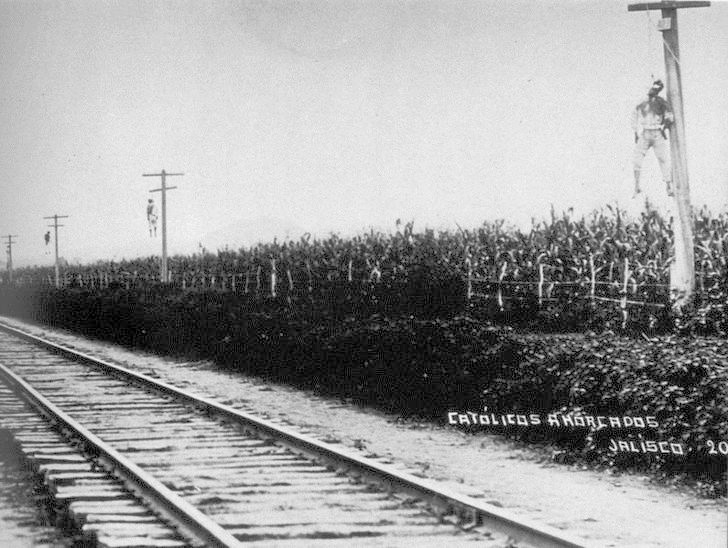
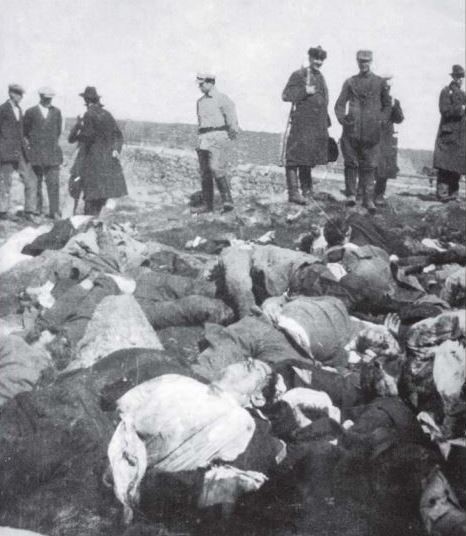
10 Images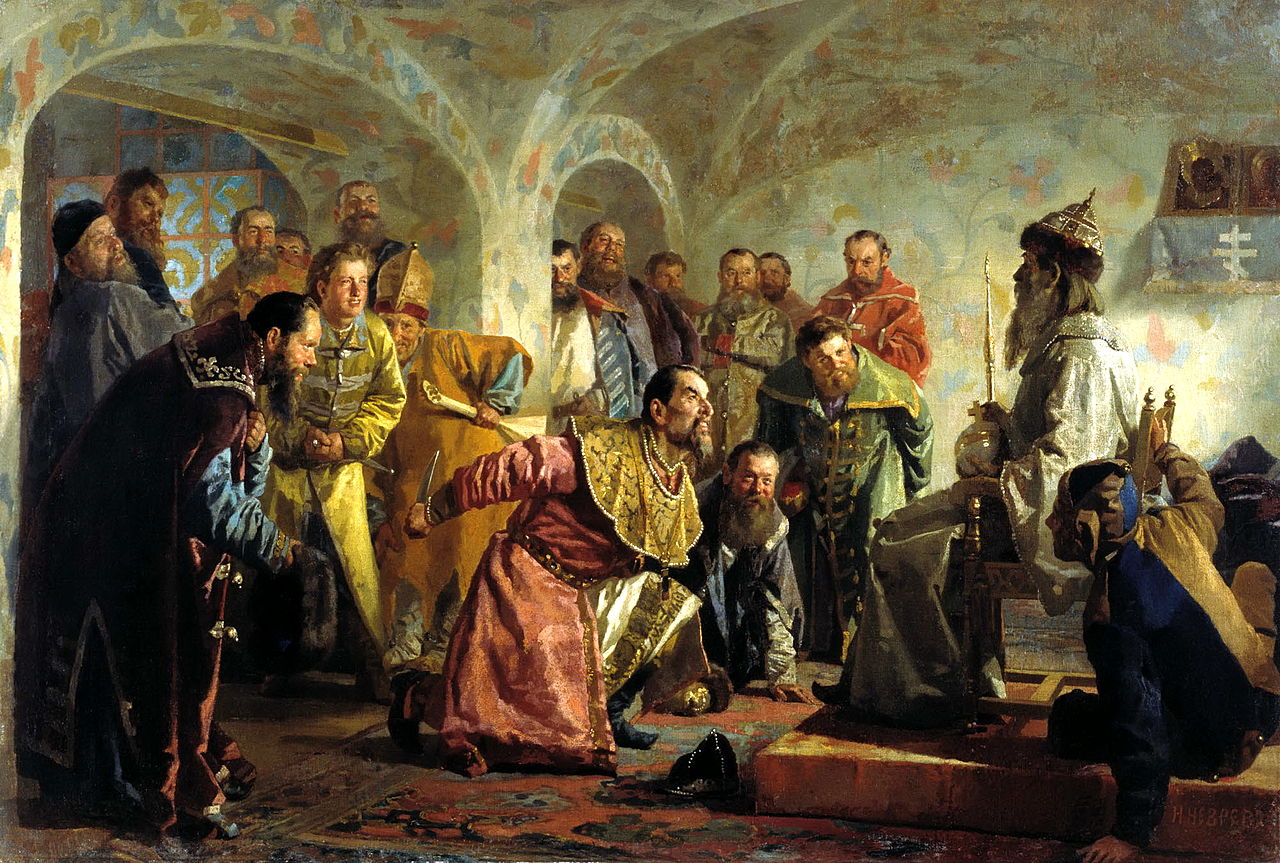



Characteristics and organization
Death squads vary in size and structure: some are small cells of armed individuals, others are larger paramilitary bodies. They may be linked to state security forces, militias, criminal gangs, or ad hoc groups. Common features include secrecy, covert operations, selective targeting, use of intimidation or terror, and a pattern of impunity for perpetrators. Motivations can range from political control to personal profit or communal retaliation.
Contexts and historical development
Death squads have appeared in diverse settings: civil wars, authoritarian regimes, periods of intense political polarization, and areas with weak rule of law. They have been used as instruments of counterinsurgency, political repression, ethnic cleansing, or organized crime enforcement. While particular cases differ, the phenomenon is associated with unstable governance and the breakdown of legal accountability.
Consequences, law and responses
Because they operate outside judicial processes, death squads violate human rights and international humanitarian law. Their actions create long-term social trauma, undermine public trust, and can provoke cycles of retaliation. Responses have included domestic prosecutions, truth commissions, international investigations, and reforms to strengthen accountability and civilian oversight of security forces.
Notable distinctions and resources
- Not the same as lawful military or police operations: legality depends on adherence to law and due process.
- Often linked to impunity; establishing responsibility can require forensic, legal, and historical inquiry.
- Contemporary analyses examine links to state policy, clandestine networks, and organized crime.
For further background and case studies see related research and human rights summaries at additional resources.
Related articles
Author
AlegsaOnline.com Death squad Leandro Alegsa
URL: https://en.alegsaonline.com/art/26045