
Deferred Action for Childhood Arrivals (DACA)
DACA is a U.S. administrative policy that offered temporary protection from deportation and work authorization to eligible people brought to the U.S. as children, known as 'Dreamers'.
Overview
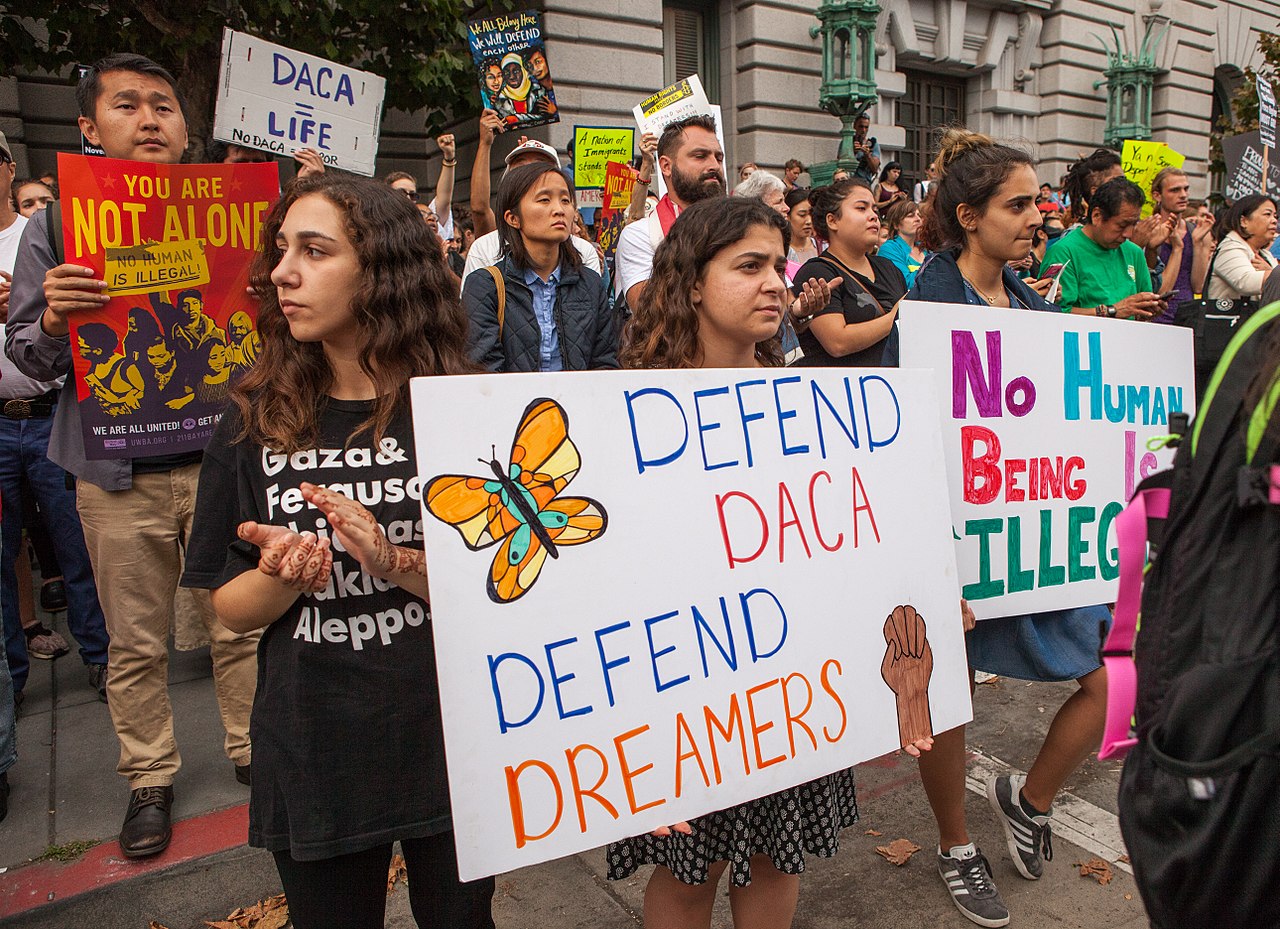
Deferred Action for Childhood Arrivals (DACA) is a U.S. immigration program created by executive action to provide temporary relief from removal and eligibility for work authorization to certain people who were brought to the United States as children. Participants in the program are commonly called "Dreamers," a term derived from the proposed DREAM Act legislative effort. DACA does not create permanent lawful status or a direct path to citizenship; rather, it grants a renewable period of "deferred action," typically two years, that shelters recipients from deportation and allows them to obtain employment authorization.
Image gallery
4 Images


Eligibility and main features
DACA established clear but narrowly framed eligibility conditions. Generally, applicants had to have arrived in the U.S. as minors, be present in the country at the time of the program's creation, have lived in the U.S. continuously for a specified period, be in school or have a high school diploma or equivalent (or have served honorably in the U.S. military), and have no serious criminal convictions. The program required application, background checks, and renewal every two years. Key points:
- Deferred action is discretionary and temporary, not an immigration status.
- Recipients may receive an Employment Authorization Document (EAD) to work legally.
- Enrollment numbers and application availability have varied because of litigation and administrative decisions.
History and administrative actions
DACA was announced in June 2012 as an executive program intended to offer relief while Congress considered a legislative remedy. The program was implemented by the Department of Homeland Security and widely publicized; contemporary announcements and explanations were distributed by federal agencies and officials. Subsequent administrations took different approaches: some sought to expand, others to rescind or limit DACA, and those choices triggered court challenges. For primary documents and explanations, see official announcements and summaries provided by government offices; for example, the program's establishment was widely reported in 2012 and discussed in administrative materials here.
Legal challenges and policy changes
DACA's reliance on executive discretion made it the subject of repeated litigation. Attempts to rescind or narrow the program produced several court rulings, and some courts allowed renewals to continue even while initial application processing was restricted at times. A major Supreme Court decision and other federal rulings shaped how agencies could alter or end the program, and litigation has continued to influence whether new applications are accepted or only renewals are permitted. For coverage of legal milestones and policy statements, see summaries and case material available at official and legal resources here.
Impact, importance, and controversies
DACA recipients have been able to work, study, and contribute to communities and local economies, which supporters cite as a significant social and economic benefit. Critics argue that the program exceeded executive authority and that immigration policy should be set by Congress. Advocates have pressed for a legislative solution, commonly referred to as the DREAM Act, to provide a permanent status for eligible individuals. Statistical tallies of program enrollment have varied over time; at its height, hundreds of thousands of people were enrolled and eligible for benefits.
Distinctions and what DACA does not do
Important distinctions: DACA does not confer lawful permanent resident status, does not provide a route to citizenship, and does not protect against all immigration consequences. It is an exercise of prosecutorial discretion that can be modified by future administrations or limited by court order. For general background and program overviews, many sources provide plain-language descriptions of what DACA permits and what it does not see more.
Because the program has been shaped by executive decisions and litigation, its availability and the precise requirements for initial applications and renewals have changed over time. Readers seeking current procedural guidance should consult official government guidance and reputable legal resources before taking action.
Related articles
Author
AlegsaOnline.com Deferred Action for Childhood Arrivals (DACA) Leandro Alegsa
URL: https://en.alegsaonline.com/art/26273