
Dahlia — Tuberous flowering plants of the Asteraceae family
Dahlias are tuberous perennial plants, native to Mexico and parts of Central and South America, prized for large, colorful blooms and many cultivated varieties used in gardens and floral displays.
Overview
Dahlia is a genus of tuberous perennial plants in the family Asteraceae. Native to Mexico, Central America and parts of Colombia, dahlias produce showy, composite flower heads in a wide variety of colors and shapes. The genus includes at least 36 wild species and hundreds of cultivated varieties and hybrids developed for gardens and cut-flower use. For a general reference about the genus see genus overview.
Image gallery
10 Images




Appearance and varieties
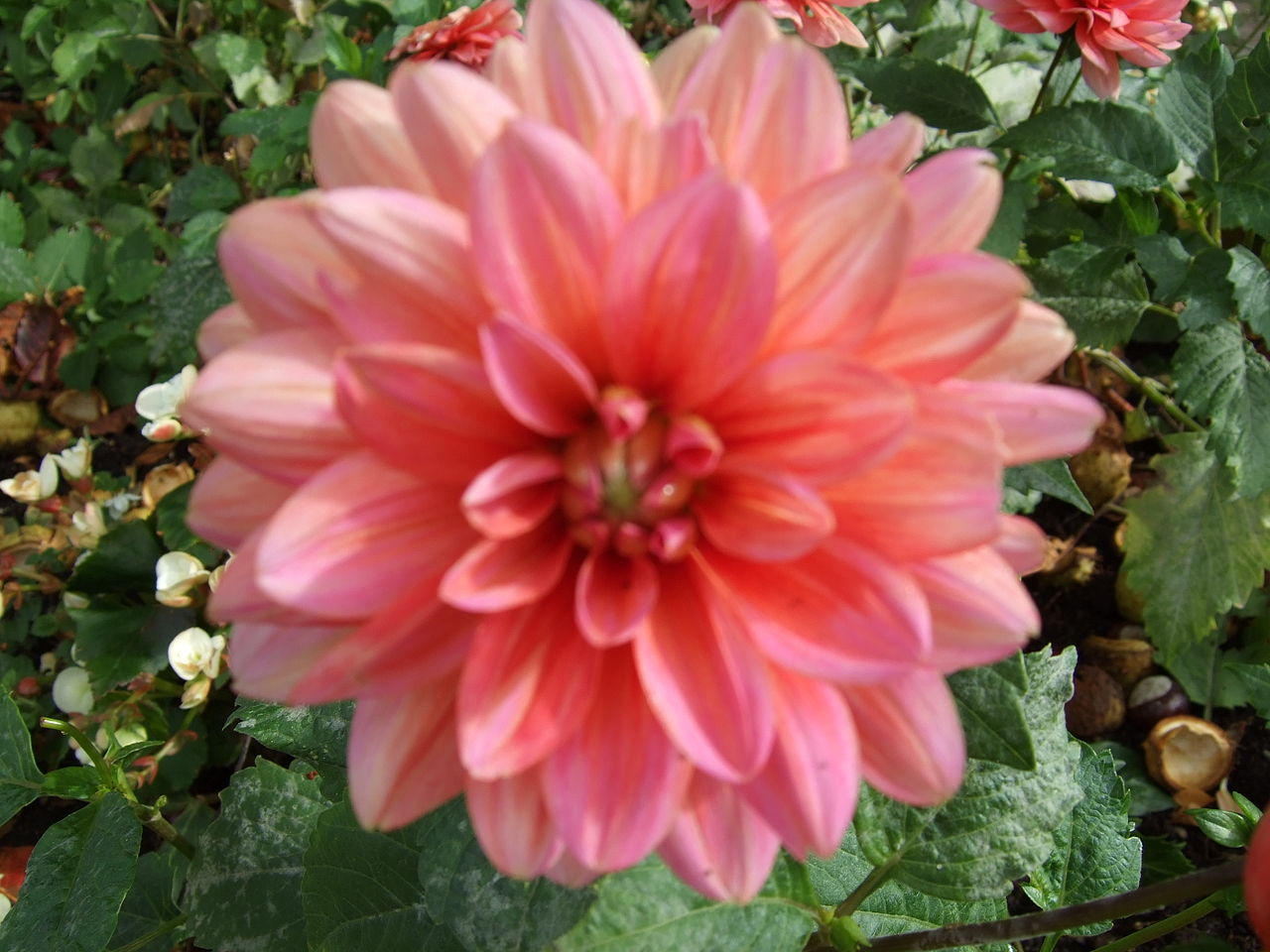
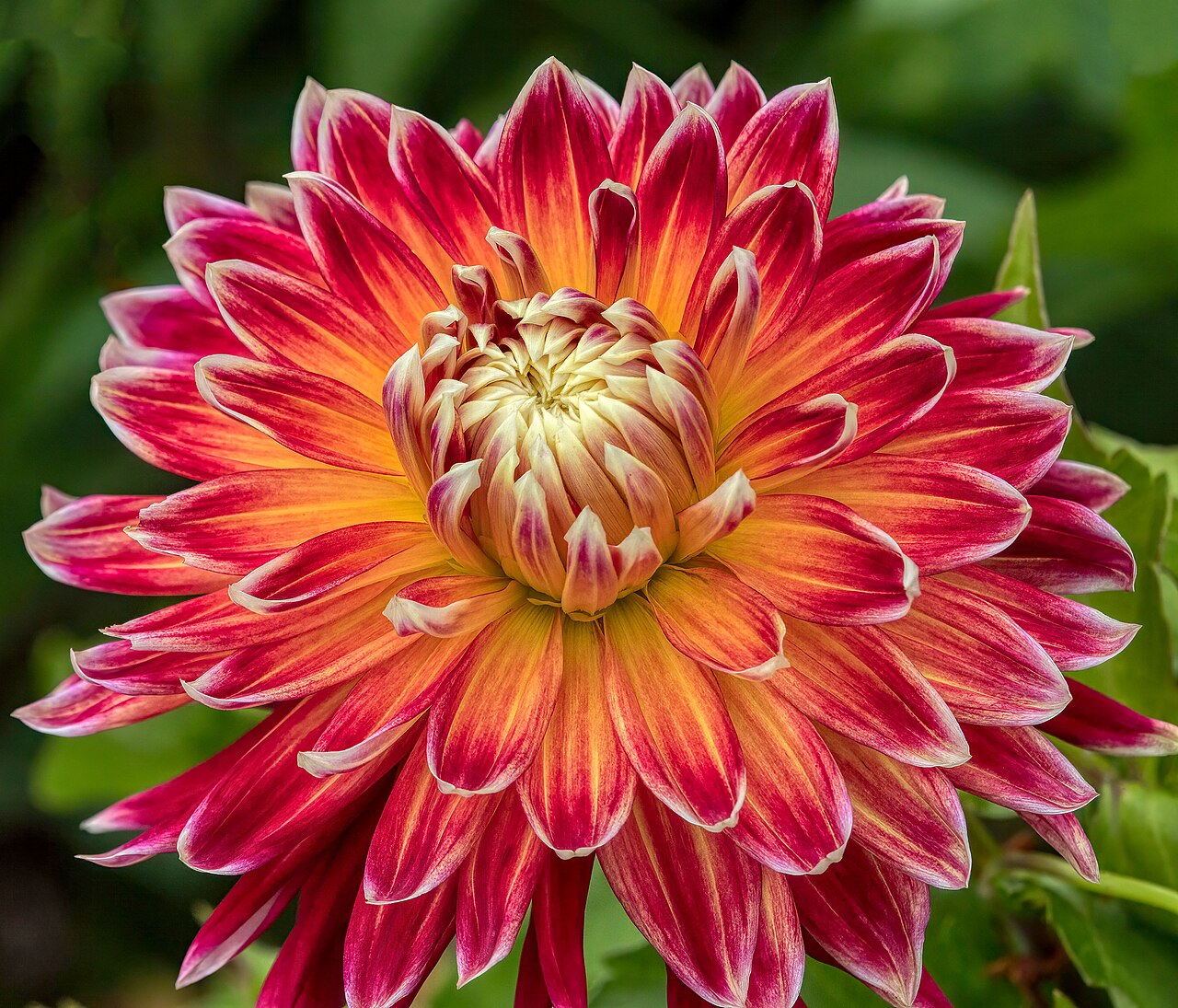
Dahlias range from low-growing, compact plants less than 30 cm tall to tall varieties exceeding 2 m. They grow from fleshy tuberous roots and bear opposite, pinnate leaves. Flower heads are actually clusters of many small florets arranged on a central disc, surrounded by ray florets that form the visible "petals." Cultivated dahlias show an enormous variety of forms:
- Single and semi-double — open centers with obvious discs
- Decorative and formal decorative — full double blooms with layered petals
- Cactus and semi-cactus — petals are elongated and often curved or pointed
- Ball and pompon — tightly rounded flowers with curved rays
Native range and taxonomy
Wild dahlias occur chiefly in Mexico (Mexico) and neighboring regions of Central America (Central America), with some species extending into Colombia (Colombia). Botanists recognize dozens of species in the genus and many more named garden cultivars; for species listings consult specialist resources species reference. The genus is named after the Swedish botanist Anders Dahl.
Cultivation and care
Dahlias are commonly grown as garden ornamentals and for cut flowers. They prefer rich, well-drained soil and regular moisture but do not tolerate waterlogged conditions. In temperate climates they flower from midsummer until first frost. Many gardeners lift and store tubers in frost-prone regions or treat plants as annuals. Basic cultural tips include:
- Plant in full sun where possible; in very hot climates provide some afternoon shade.
- Stake tall varieties to support heavy blooms.
- Deadhead spent flowers to encourage continuous blooming.
- Divide tubers in spring for propagation and rejuvenation.
Uses, significance and notable facts
Dahlias are valued primarily for their ornamental qualities and feature prominently in gardens, floral competitions and bouquets. They have been extensively hybridized since their introduction to Europe in the late 18th century, producing an enormous range of colors and forms; however, a true deep blue dahlia does not naturally occur. The tuberous roots have been studied for starch content and historically were used by indigenous peoples in their native range. Dahlia societies and shows continue to maintain formal classification systems and award-winning cultivars.
Related articles
Author
AlegsaOnline.com Dahlia — Tuberous flowering plants of the Asteraceae family Leandro Alegsa
URL: https://en.alegsaonline.com/art/25085