
Daguerreotype: early silver-on-metal photographic process and its legacy
A 19th-century photographic process introduced by Louis-Jacques-Mandé Daguerre in 1839 that produced unique, highly detailed images on silvered copper plates and shaped early photographic practice.
The daguerreotype was the first widely adopted practical photographic process, publicly announced in 1839. Developed from earlier experiments by inventors such as Joseph Nicéphore Niépce and refined and popularized by Louis-Jacques-Mandé Daguerre in France, the process produced exceptionally fine, detailed images on silvered copper plates. For a decade the daguerreotype dominated commercial and private portraiture as well as documentary photography across Europe and North America.
Image gallery
10 Images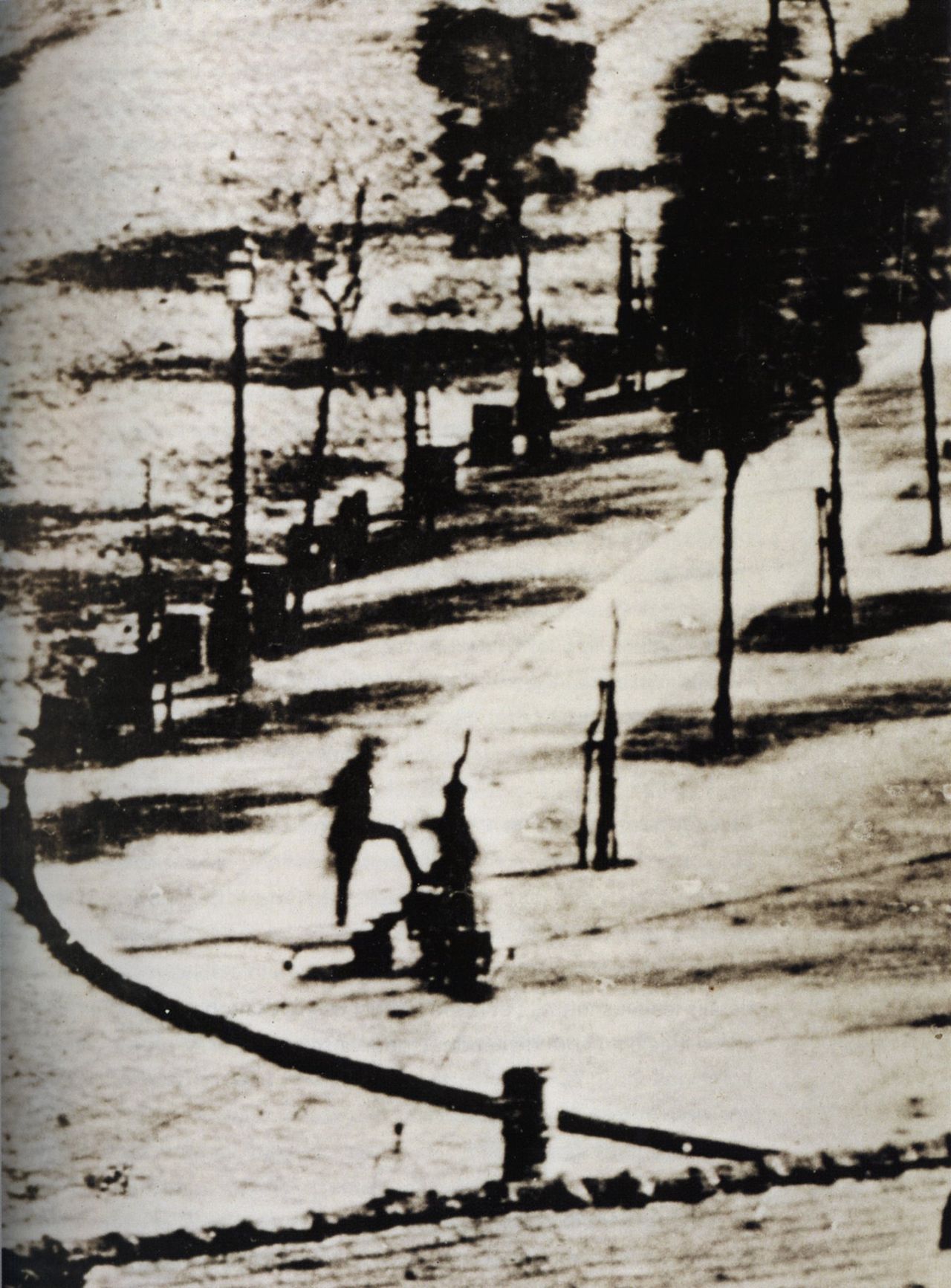




Technical overview
A daguerreotype is a direct positive image on a highly polished copper plate coated with a thin layer of silver. The sensitization stage converts part of that silver surface into light-sensitive silver halide—traditionally silver iodide—by exposure to halogen vapors. After a controlled exposure in a camera, a latent image is developed, historically by warming the plate in the presence of mercury vapour; the resulting silver–mercury amalgam forms the visible image. The image is then fixed to remove remaining light-sensitive material, using salt solutions in early practice and later chemical fixers such as sodium thiosulfate. Final plates were often gilded to increase contrast and then sealed beneath glass within protective mats and cases.
Distinctive appearance and viewing
- Single, unique images: Each daguerreotype is a one-of-a-kind positive; there is no intrinsic negative from which multiple prints can be made. Copies could only be made by rephotographing the original.
- Mirror-like surface: The polished metal surface gives daguerreotypes a characteristic sheen; the picture can appear as a positive or a negative depending on the angle of view and light, and it reveals very fine surface detail.
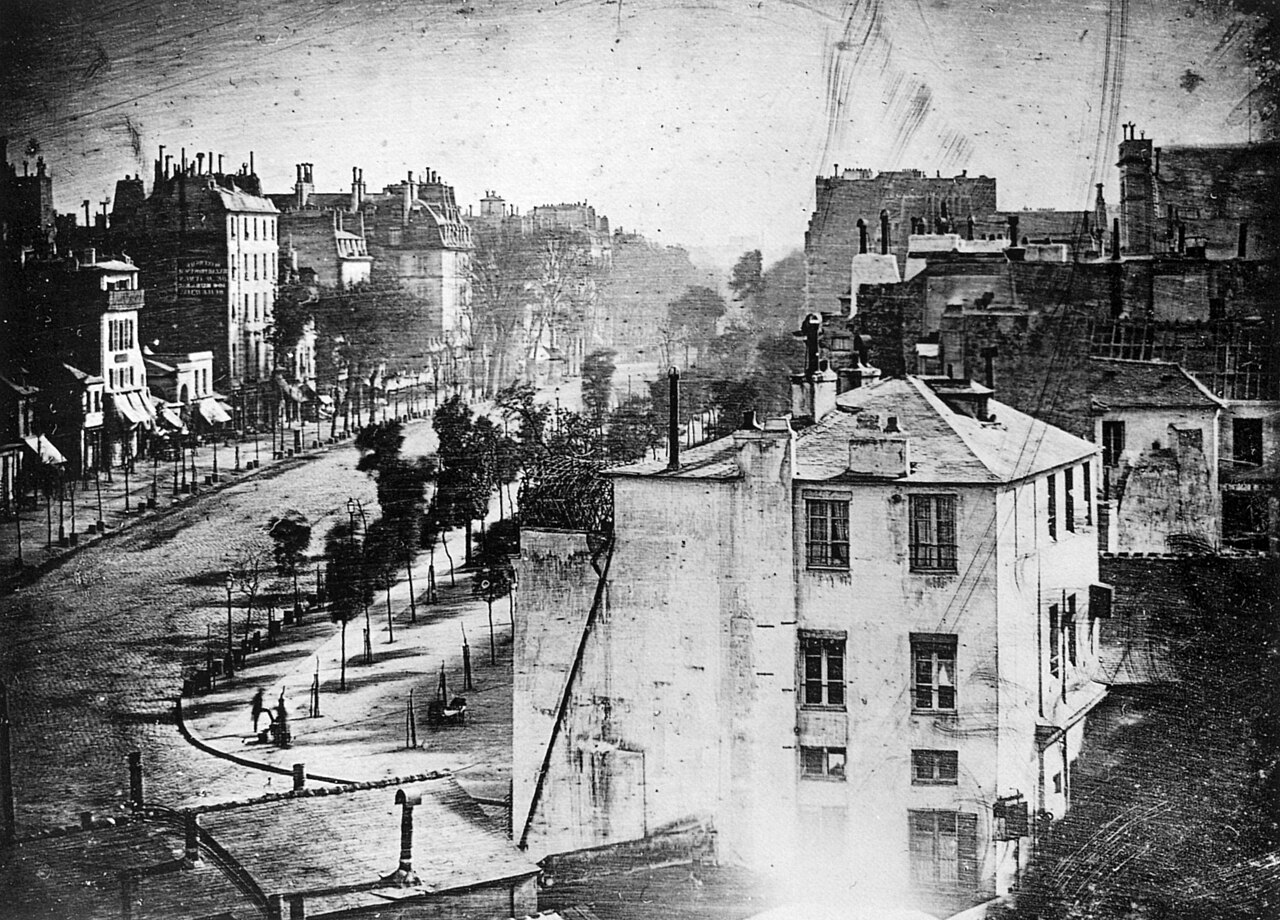
- High resolution: The process resolves fine detail, lending the images a clarity that made them prized for portraiture and for recording architectural and scientific subjects.
Studio practice and conventions
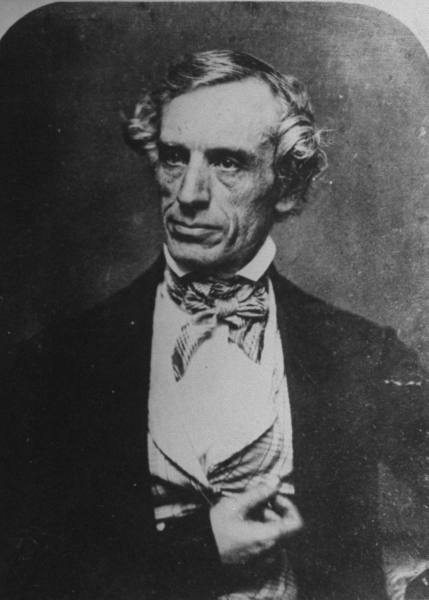
Daguerreotype studios developed techniques to cope with the process’s demands. Early exposures were comparatively long, which influenced formal, composed poses and led to the use of braces or headrests to minimize subject movement. Studios used painted backdrops, props, and controlled daylight or skylights to shape the image. Over the 1840s improvements in lenses, sensitization, and development methods reduced exposure times, making portraiture faster and more comfortable for sitters.
Variations and commercial formats
Daguerreotypes were produced in a variety of plate sizes to suit different purposes, from small personal portraits to larger, more detailed views. Photographers and customers chose formats and housings—cases lined with velvet or leather and glass covers—to display and protect plates. Some plates were retouched by hand to emphasize features or reduce glare; such interventions were part of normal studio practice.
Health, materials and limitations
The process involved hazardous materials, notably mercury used in development and corrosive chemicals for fixing and cleaning. Awareness of mercury’s toxicity grew over time and contributed to changes in practice. The daguerreotype’s main commercial limitations were its cost, the labour-intensive preparation and finishing of each plate, and the inability to produce multiple copies from a single exposure—factors that opened the way for distinct processes that allowed negatives and cheaper prints.
Rise, decline and alternatives
After its introduction the daguerreotype spread rapidly; by the 1840s and early 1850s studios appeared in many cities, including significant numbers in New York. Its popularity declined when new processes—most importantly negative/positive methods such as the wet-collodion process and paper print techniques—offered faster exposures, lower costs and the ability to make multiple prints. Cheaper positive-on-metal or glass variants, and albumen prints made from negatives, largely supplanted daguerreotypes in commercial practice by the late 1850s.
Cultural impact
Daguerreotypes helped democratize portraiture by making likenesses more accessible beyond painted portraits. They also changed the public’s relationship to images: photographic detail and apparent fidelity influenced journalism, scientific illustration and personal memory. Collectively, daguerreotypes provide historians and curators with vivid visual records of people, places and material culture in the mid-19th century.
Preservation, study and collecting
Today daguerreotypes are valued by collectors, museums, and researchers for their technical achievement and historical significance. Conservation focuses on stabilizing silver tarnish, preventing physical abrasion of the delicate image surface, and maintaining protective housings. Proper storage involves stable, moderate humidity, avoidance of pollutants and bright light, and careful handling to preserve both the image and its case. Scholarly study continues to place the daguerreotype within the broader development of photographic technologies and nineteenth-century visual culture. For further reading and primary sources, researchers often consult biographical material on Daguerre, historical accounts from France, and regional collections that document studio practice in places such as New York.
Related articles
Author
AlegsaOnline.com Daguerreotype: early silver-on-metal photographic process and its legacy Leandro Alegsa
URL: https://en.alegsaonline.com/art/25084