
Louis Daguerre: Inventor of the Daguerreotype and Pioneer of Photography
French artist and inventor (1787–1851) who developed the daguerreotype photographic process, advanced theatrical dioramas, and helped make early photography widely known.
Overview
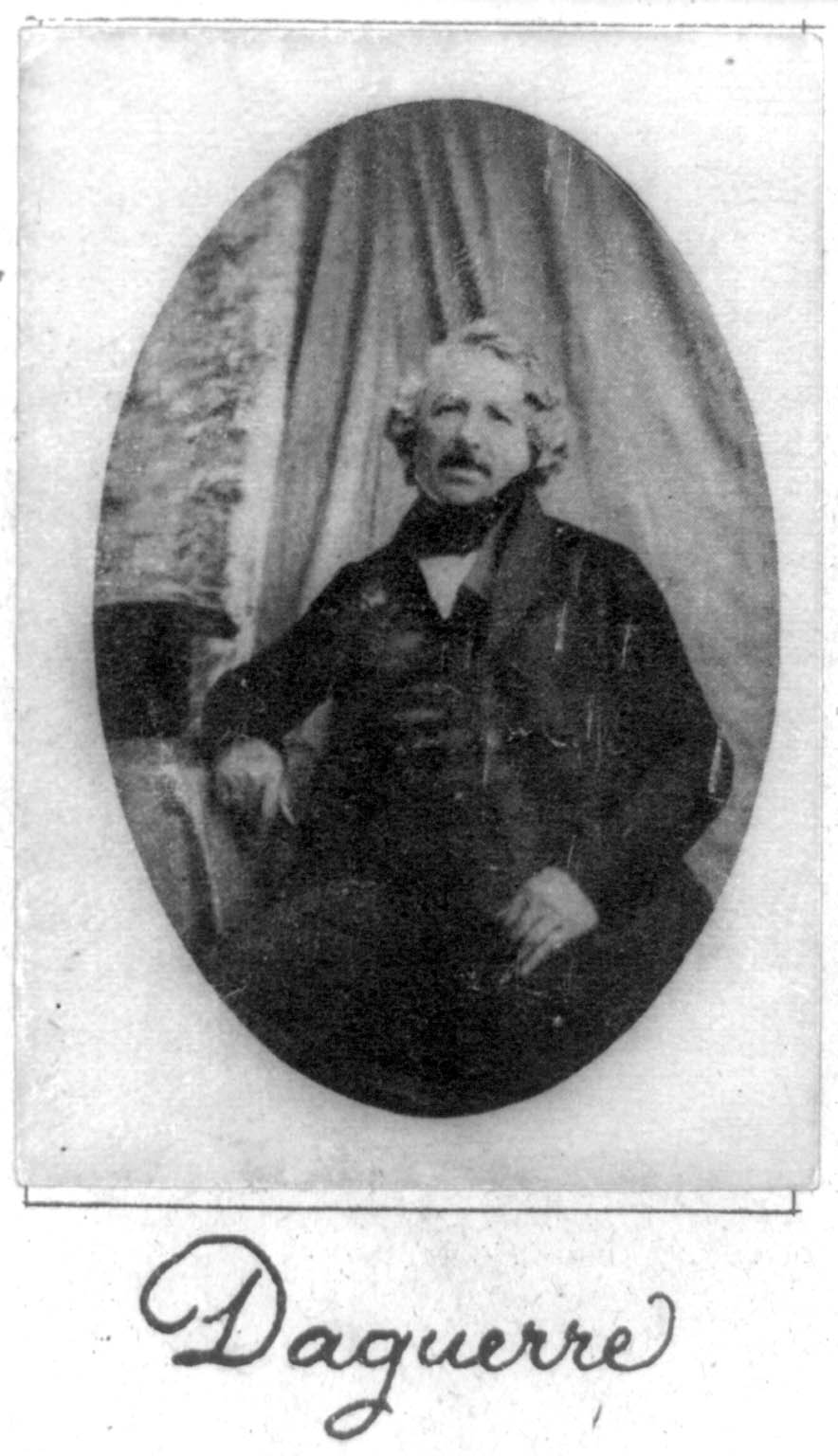
Louis-Jacques-Mandé Daguerre (1787–1851) was a French artist, stage designer and inventor best known for creating the daguerreotype process, an early method of fixed photographic imaging. Trained as a painter and scene designer, Daguerre combined artistic skill with practical chemistry to produce images that captured unprecedented detail. His work marked a major step in the emergence of modern photography.
Image gallery
10 Images




Daguerreotype: characteristics and method
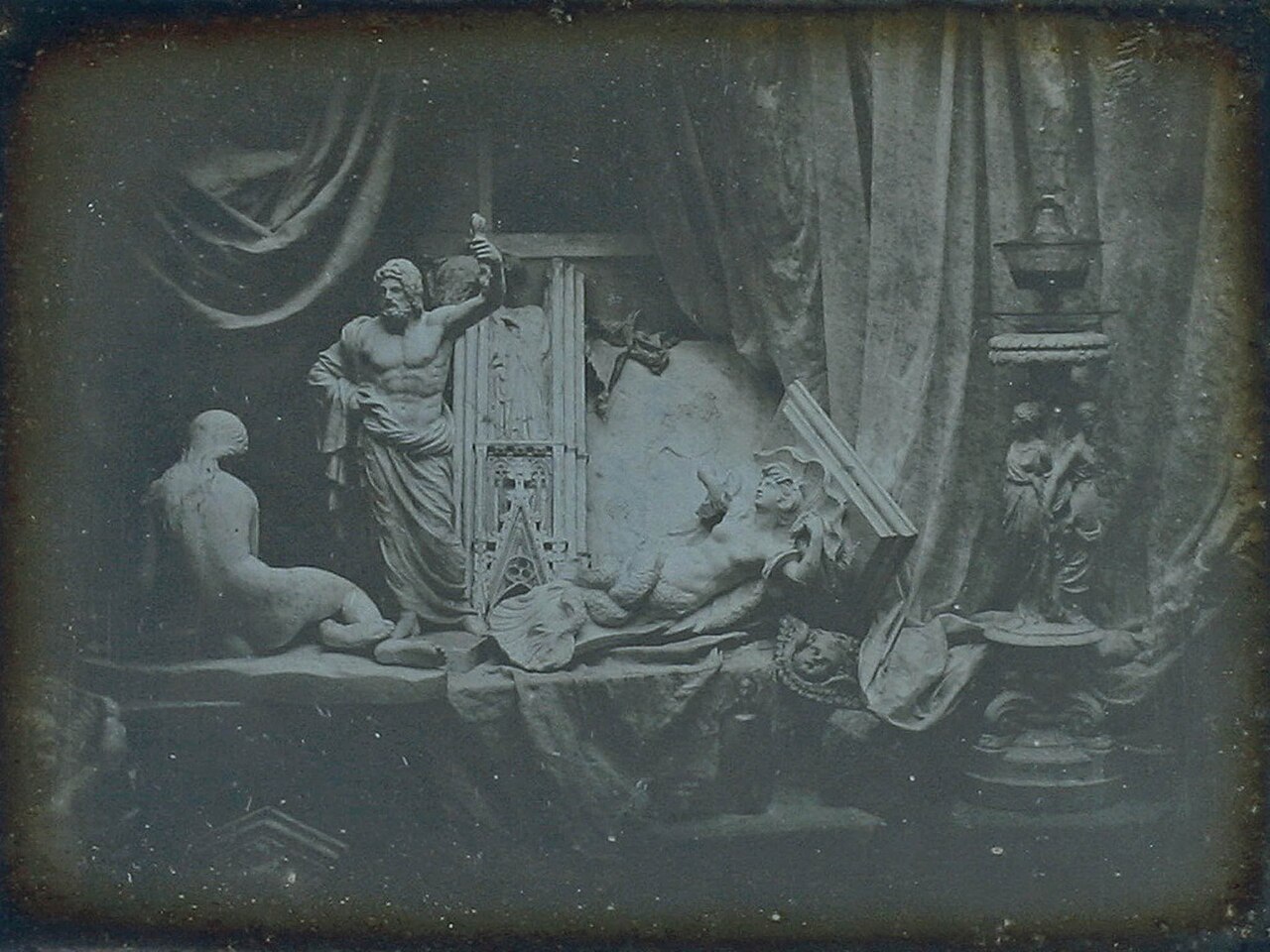
The process that bears his name produced a single, highly detailed positive image on a silvered copper plate. Typical characteristics include a mirror-like surface, fine tonal gradations and strong detail, but no negative from which multiple prints could be made. The basic stages widely associated with the method are:
- Polishing and silvering a copper plate to a reflective finish.
- Making the silver surface light-sensitive by exposure to halogen fumes.
- Exposing the plate in a camera to capture the image.
- Developing the latent image with heated mercury vapor and then fixing it so it no longer darkens in light.
The result, commonly called a daguerreotype, is unique and durable when properly preserved, though the surface is delicate and can be easily scratched or tarnished.
Career, collaborators and official recognition
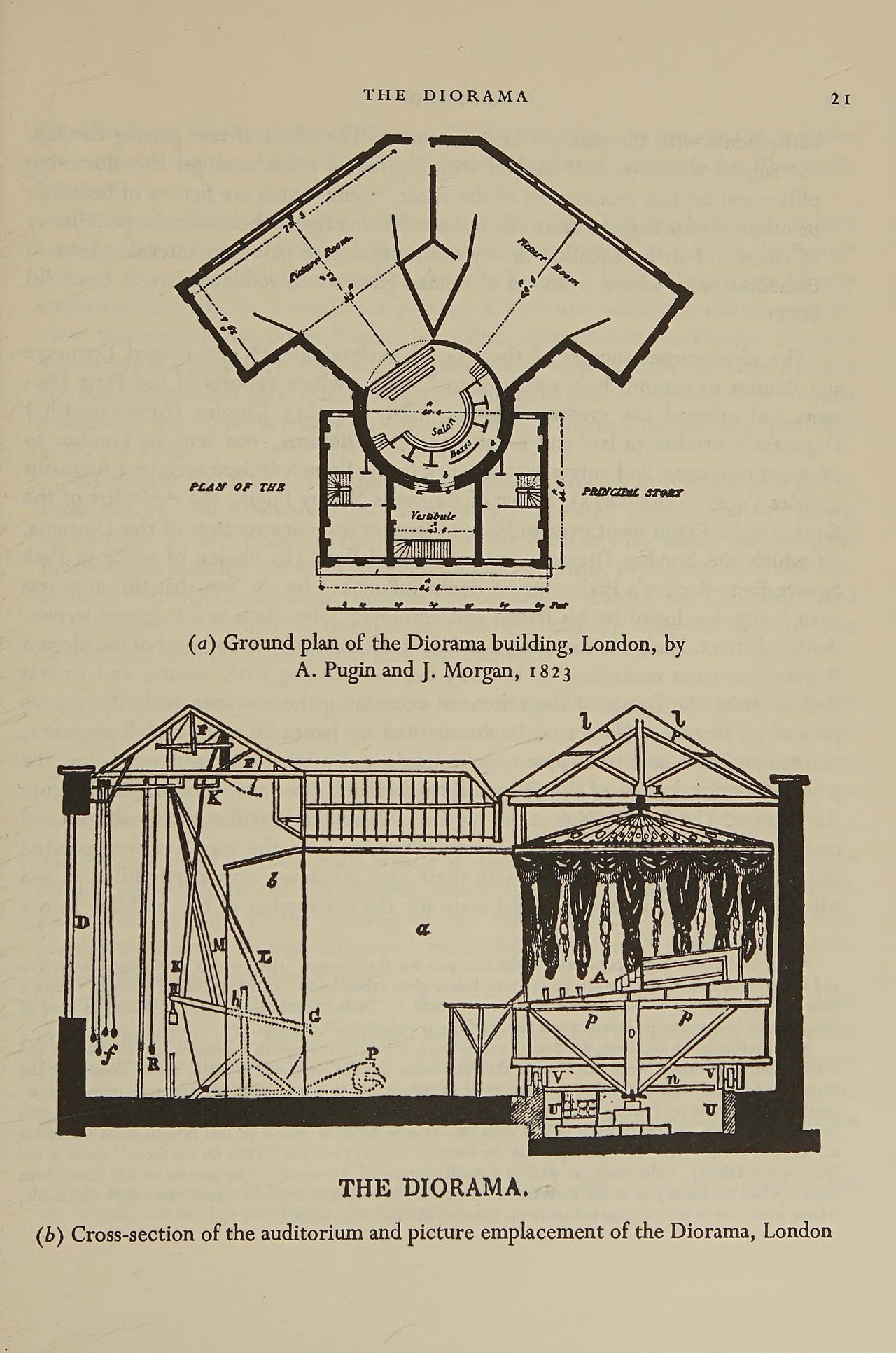
Daguerre began his career painting theatre sets and creating large-scale visual spectacles known as dioramas. He later collaborated with Joseph Nicéphore Niépce, who had produced the earliest permanent photographic image. After Niépce's death they continued development of practical photographic techniques. In 1839 the French government announced the daguerreotype process and arranged a pension for Daguerre while making the method widely known to the public; Niépce’s family was also recognized.
Uses, impact and decline
Daguerreotypes quickly became popular for portraiture, scientific recording, architectural views and travel documentation because of their clarity. The technique helped democratize likeness-making and served commercial and documentary needs throughout the mid-19th century. Over time, processes that produced negatives and multiple prints (for example the calotype and later wet-collodion methods) supplanted the daguerreotype for many applications, though daguerreotypes remain valued for their detail and historical importance.
Legacy and notable facts
- Daguerre is commonly regarded as one of the founders of practical photography, bridging art and early photographic science.
- His earlier work in theatrical illusion influenced the visual sensibility and composition of early photographs.
- Original daguerreotypes are now important historical artifacts, sought by museums and collectors and studied for what they reveal about 19th‑century life and technique.
Daguerre’s combining of artistic training, experimental practice and public presentation helped move photography from laboratory curiosity to a widely adopted medium with lasting cultural impact.
Related articles
Author
AlegsaOnline.com Louis Daguerre: Inventor of the Daguerreotype and Pioneer of Photography Leandro Alegsa
URL: https://en.alegsaonline.com/art/125372