
Andorra: The Principality in the Eastern Pyrenees
Andorra is a small, landlocked principality between France and Spain known for its mountains, tourism-driven economy, Catalan culture, and unique co-principality political system.

Andorra, officially the Principality of Andorra, is a small landlocked state in southwestern Europe. Nestled in the eastern Pyrenees mountain range, it lies between Spain and France. Although compact in size, Andorra has a distinct identity as a sovereign country and a long history of local institutions. The de facto capital and largest town is Andorra la Vella, located in a high valley and serving as the political and commercial centre.
Image gallery
10 Images


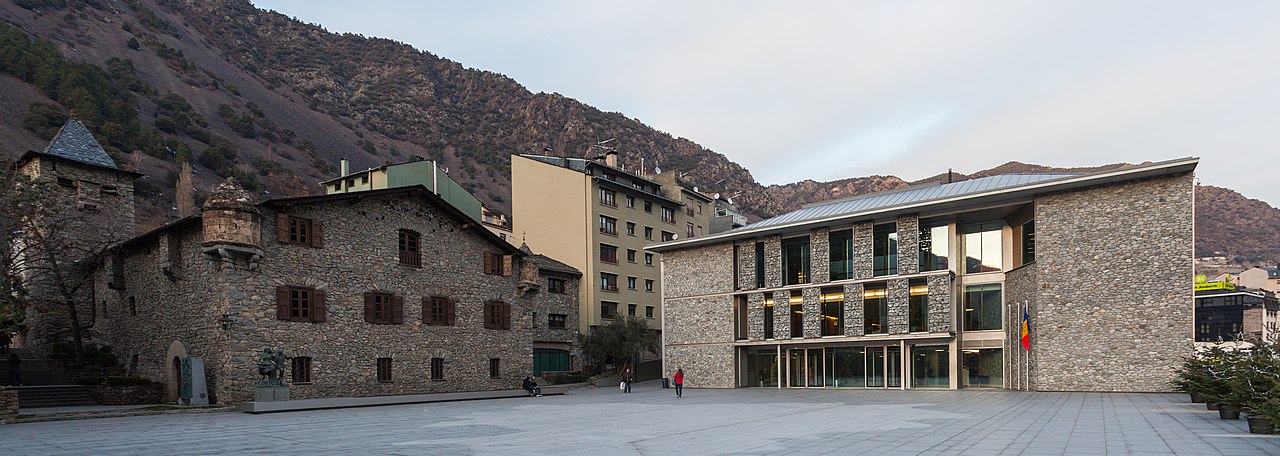


Geography and population
Roughly 468 square kilometres in area, Andorra's terrain is almost entirely mountainous, with high peaks, narrow valleys and fast rivers. The country has a small population, commonly cited around 84,000 people, concentrated in a handful of parishes and towns along the main valleys. Its alpine setting shapes land use, transport and settlement patterns, and supports winter sports and mountain tourism.
Political system and status
Andorra is governed as a parliamentary democracy and a diarchy known as a co-principality. The two co-princes are the Bishop of Urgell in Spain and the President of France; historically this arrangement emerged from medieval agreements and has evolved into a modern constitutional framework. The country's institutions include an elected General Council (parliament) and a head of government responsible to that assembly. Andorra is an independent state but maintains special relationships with neighbouring countries, negotiated through treaties and administrative arrangements. For background on international aspects see sovereignty and European relations.
Language and culture
The official language of Andorra is Catalan, which is used in government and education. In everyday life, many residents and visitors also speak Spanish, French and Portuguese, reflecting cross-border ties and immigrant communities. Andorran culture blends Catalan traditions, Pyrenean mountain customs, and influences from neighboring Iberian and French regions. Festivals, local cuisine and architectural styles reflect this mixture.
Economy and tourism
Tourism is the dominant economic sector, anchored by ski resorts, hiking areas and duty-free shopping. Andorra attracts millions of visitors annually for winter sports and retail; this visitor traffic is a major source of revenue and employment. Other sectors include banking, retail trade and services. Andorra is not a member of the European Union, but it uses the euro as its de facto currency under agreements with the EU. Its fiscal and regulatory policies have attracted businesses and tourists, while recent reforms have increased transparency and cooperation with international financial standards.
History and notable facts
Andorra's origins go back to medieval charters and feudal arrangements that managed frontier territories between larger powers. The modern constitutional order was established in the late 20th century, updating centuries-old practices into a written constitution and contemporary institutions. Notable facts include its co-principality arrangement—one of the few surviving arrangements of its kind—and its strong reliance on mountain tourism. For official or cultural resources see local government pages and travel guides: capital information, civic offices and regional tourism portals.
Practical information and distinctions
- Bordering countries: Spain and France.
- Official language: Catalan; widely spoken languages include Spanish and French.
- Monetary use: euro in daily transactions.
- International relationships: not an EU member but closely linked to Europe via treaties (EU relations).
- Unique governance: co-princes represented by the Bishop of Urgell and the President of France.
For additional reference and practical links about Andorra's legal status, tourism services and cultural life, consult official portals and visitor information pages: state profile, international law, regional context, or national tourism sites at capital resources and other local pages (Andorra la Vella, Spain, France).
Related articles
Author
AlegsaOnline.com Andorra: The Principality in the Eastern Pyrenees Leandro Alegsa
URL: https://en.alegsaonline.com/art/3931
Sources
- esa.un.org : "World Population Prospects: The 2017 Revision"
- hdr.undp.org : "HUMAN DEVELOPMENT REPORT 2016 – Statistical annex"
- cia.gov : "Andorra"
- estadistica.ad : Estadistica.ad