
Dagestan: Republic in the North Caucasus
Dagestan is a republic (a federal subject) of the Russian Federation in the North Caucasus. It is ethnically diverse and mountainous, with a Caspian Sea coastline and capital Makhachkala.
Dagestan is a republic of the Russian Federation and a constituent federal subject. Located in the eastern part of the North Caucasus, it stretches from high mountain ranges down to the Caspian Sea. The name "Dagestan" derives from two Persian elements: dag, meaning mountain, and stan, meaning land. The republic's capital and largest city is Makhachkala, which serves as the economic and administrative center for a population of nearly three million people.
Image gallery
10 Images




Geography and environment
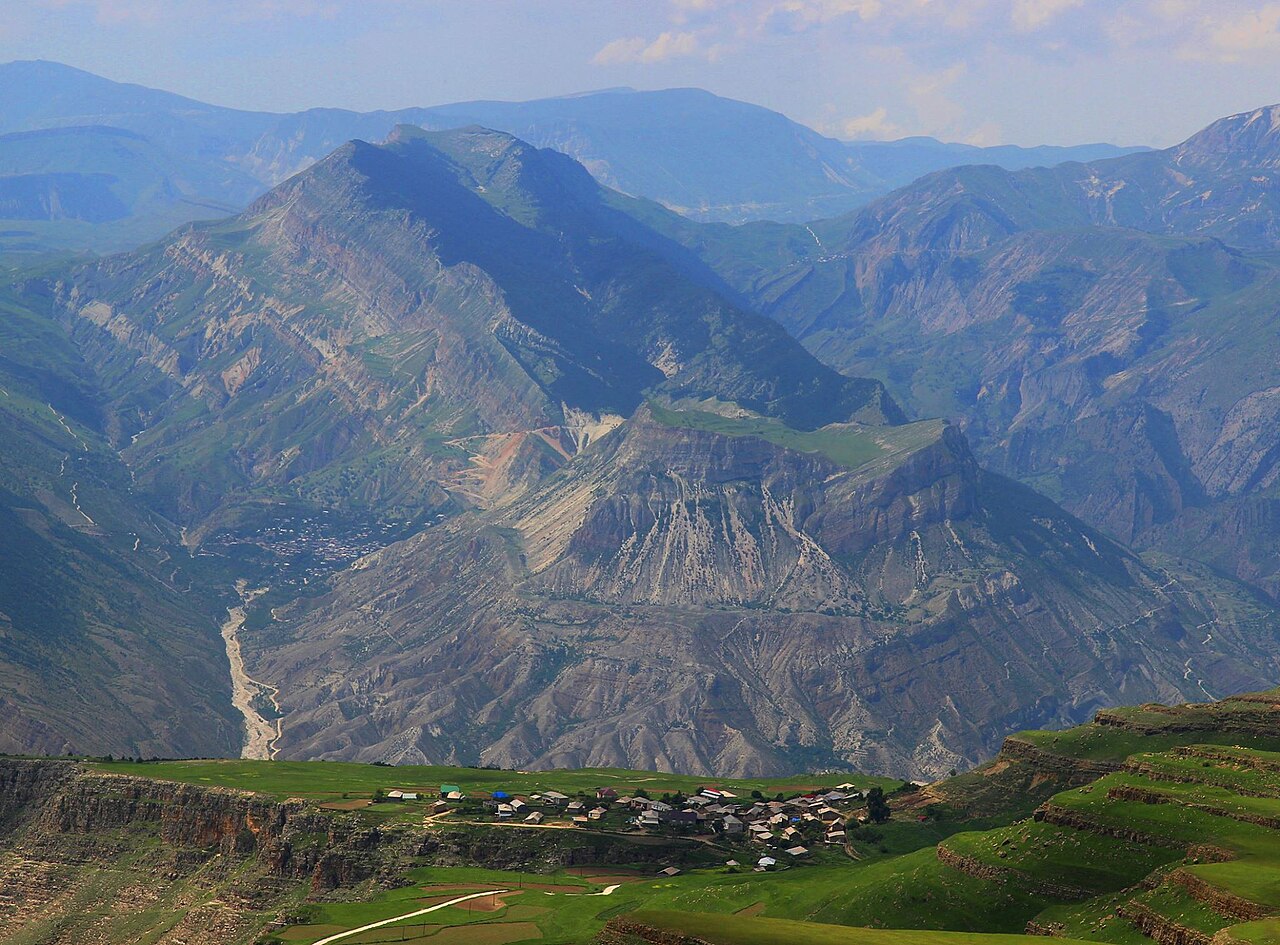
Dagestan's terrain is highly varied. The Greater Caucasus mountains dominate its southern and western areas, producing steep valleys, high passes and isolated highland communities. To the east lies a broad coastal plain along the Caspian Sea that supports ports, fishing and agriculture. Climate varies with elevation: lowlands have a temperate semi-arid character while upland areas experience cooler, alpine conditions. Rivers descending from the mountains support irrigation and local hydropower.
People, languages and society
Dagestan is renowned for its ethnic and linguistic diversity. Dozens of distinct ethnic groups live within its borders, the largest of which include Avars, Dargins, Kumyks, Lezgins and Laks, alongside ethnic Russians and others. Many indigenous languages are spoken in addition to Russian, and multilingualism is common. Traditional social structures, clan ties and village communities remain important, particularly in mountain areas where remote settlements preserved local customs and crafts.
History and development
The region has a long history as a crossroads of empires, trade routes and cultural influences stretching back to antiquity. Over centuries it was shaped by Persian, Arab, Turkic and Mongol contacts before coming under Russian imperial control in the 19th century. Soviet rule reorganized the territory and modernized infrastructure while also promoting settlement and industrial projects. Since the late 20th century Dagestan has undergone social and political change, facing economic challenges and episodes of instability alongside efforts to strengthen local governance and development.
Economy, culture and daily life
Economic activity includes oil production and refining on the Caspian coast, fishing, agriculture (grain, fruit, livestock), small-scale manufacturing and services centered in urban areas. Mountain communities often rely on pastoralism, terraced farming and local crafts such as carpet weaving, metalwork and wood carving. Dagestani culture places strong emphasis on music, oral poetry and sporting traditions—wrestling and martial disciplines are particularly popular. Religious and cultural institutions play prominent roles in community life.
Administration and notable features
As a republic within the Russian Federation, Dagestan has its own constitution and regional authorities while remaining subject to federal law. Administrative divisions include a mix of districts and cities that address local needs. Notable aspects of Dagestan include its exceptional linguistic mosaic, its strategic location between Europe and Asia, and its dramatic mountain landscapes that attract researchers and visitors interested in traditional cultures and natural scenery.
Quick facts and further reading
- Capital: Makhachkala.
- Region: North Caucasus, Caspian Sea coastline.
- Name origin: from Persian dag + stan ("mountain land").
- Status: republic and federal subject of the Russian Federation (federal subject).
Related articles
Author
AlegsaOnline.com Dagestan: Republic in the North Caucasus Leandro Alegsa
URL: https://en.alegsaonline.com/art/25073