
Cyclospora cayetanensis: biology, transmission, clinical features and prevention
Cyclospora cayetanensis is a single-celled coccidian parasite that causes prolonged, sometimes recurrent diarrheal illness in humans; transmitted by ingestion of sporulated oocysts in contaminated food or water.
Overview
Cyclospora cayetanensis is a microscopic, single-celled parasite in the phylum Apicomplexa that infects the human intestinal tract. Infection produces an illness commonly called cyclosporiasis, characterized by watery diarrhea and gastrointestinal symptoms. The organism is important to public health because it can cause prolonged disease, outbreaks linked to contaminated fresh produce and water, and more severe or persistent illness in people with weakened immune systems.
Image gallery
4 Images


Characteristics and lifecycle
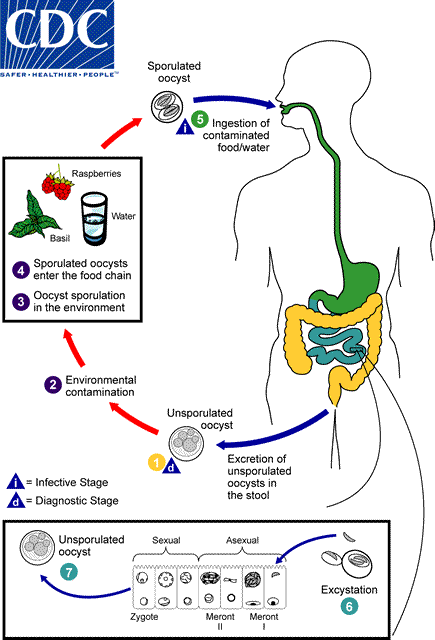
Cyclospora is a coccidian protozoan that forms thick-walled oocysts shed in feces. Oocysts are not immediately infectious: they require time in the environment to sporulate and become infective. This environmental maturation distinguishes Cyclospora from some other intestinal parasites and makes direct person-to-person transmission uncommon. Ingested sporulated oocysts excyst in the small intestine, where the parasite multiplies and damages the intestinal lining, producing diarrhea and malabsorption.
Transmission and epidemiology
Transmission occurs by the fecal–oral route through ingestion of food or water contaminated with sporulated oocysts. Fresh fruits, leafy greens and herbs have been associated with outbreaks, reflecting contamination at the source or during handling. Because oocysts need days to weeks to become infectious in the environment, short-term contamination events followed by distribution of produce can produce widespread outbreaks. Cases are reported worldwide but are more common in areas with limited sanitation or where imported produce is consumed.
Clinical features and diagnosis
Typical symptoms include profuse watery diarrhea, abdominal cramps, bloating, nausea and fatigue; fever may occur but is less common. The course can be self-limited in otherwise healthy people but may be prolonged, relapsing, or severe in immunocompromised patients. Diagnosis is established by identifying oocysts in stool using microscopy with special stains (for example modified acid-fast stain), by autofluorescence under appropriate filters, or by molecular tests such as PCR. Clinicians often request specific testing when prolonged diarrheal illness follows travel or suspected foodborne outbreaks.
Treatment, prevention and public health measures
The recommended treatment for cyclosporiasis is antimicrobial therapy with trimethoprim–sulfamethoxazole (TMP-SMX), which is effective in most patients; treatment courses may be prolonged in those with weakened immunity. No vaccine exists. Prevention relies on good sanitation, safe agricultural and processing practices for fresh produce, thorough washing of fruits and vegetables (recognizing that washing may not remove all oocysts), and treated or bottled water in areas of concern. Public health responses to outbreaks focus on identifying contaminated sources, improving food-safety controls, and alerting consumers.
History and notable facts
Cyclospora was recognized as a human pathogen in the late 20th century and has since been linked to multiple foodborne outbreaks, especially those involving imported produce. Because oocysts require environmental maturation, outbreaks often reflect contamination events at growing or packing sites rather than immediate person-to-person spread. For further taxonomic or clinical reference see taxonomic information, public health guidance at public health resources, laboratory methods summarized at diagnostic guides, and outbreak reports or prevention recommendations at food-safety summaries.
- Key symptoms: watery diarrhea, abdominal cramps, fatigue.
- Diagnostic tools: modified acid-fast stain, autofluorescence, PCR.
- Primary prevention: safe water, hygienic food handling, agricultural controls.
Related articles
Author
AlegsaOnline.com Cyclospora cayetanensis: biology, transmission, clinical features and prevention Leandro Alegsa
URL: https://en.alegsaonline.com/art/24883