
Decompression sickness (the bends)
Decompression sickness: causes, symptoms, history, prevention and treatment of gas-bubble injury that can occur after rapid reduction of ambient pressure.
Decompression sickness (DCS), commonly known as "the bends," is a medical condition that arises when inert gases come out of solution and form bubbles in the body after ambient pressure around a person decreases too rapidly. These bubbles can interfere with normal physiology in several ways: they may obstruct circulation, damage tissues by stretching or tearing, or trigger inflammatory responses.
Image gallery
8 Images





How it develops
Under higher pressure, gases such as nitrogen dissolve into blood and tissues. If pressure falls gradually, the gas is eliminated safely by exhalation. Rapid ascent or sudden decompression causes dissolved gas to form bubbles. Bubbles in the vascular system can reduce blood flow to organs and tissues, while bubbles in tissues can impair the oxygen delivery and disrupt cellular function. Physical effects include mechanical injury, obstruction, and biochemical inflammatory cascades.
Signs and classification
Symptoms vary with the size, number and location of bubbles. Clinicians commonly group DCS into two categories:
- Type I — localized pain in joints or muscles, skin changes such as itching or mottling.
- Type II — more serious involvement such as neurological deficits (weakness, numbness, confusion), inner-ear problems, or cardiopulmonary compromise.
Treatment and immediate actions
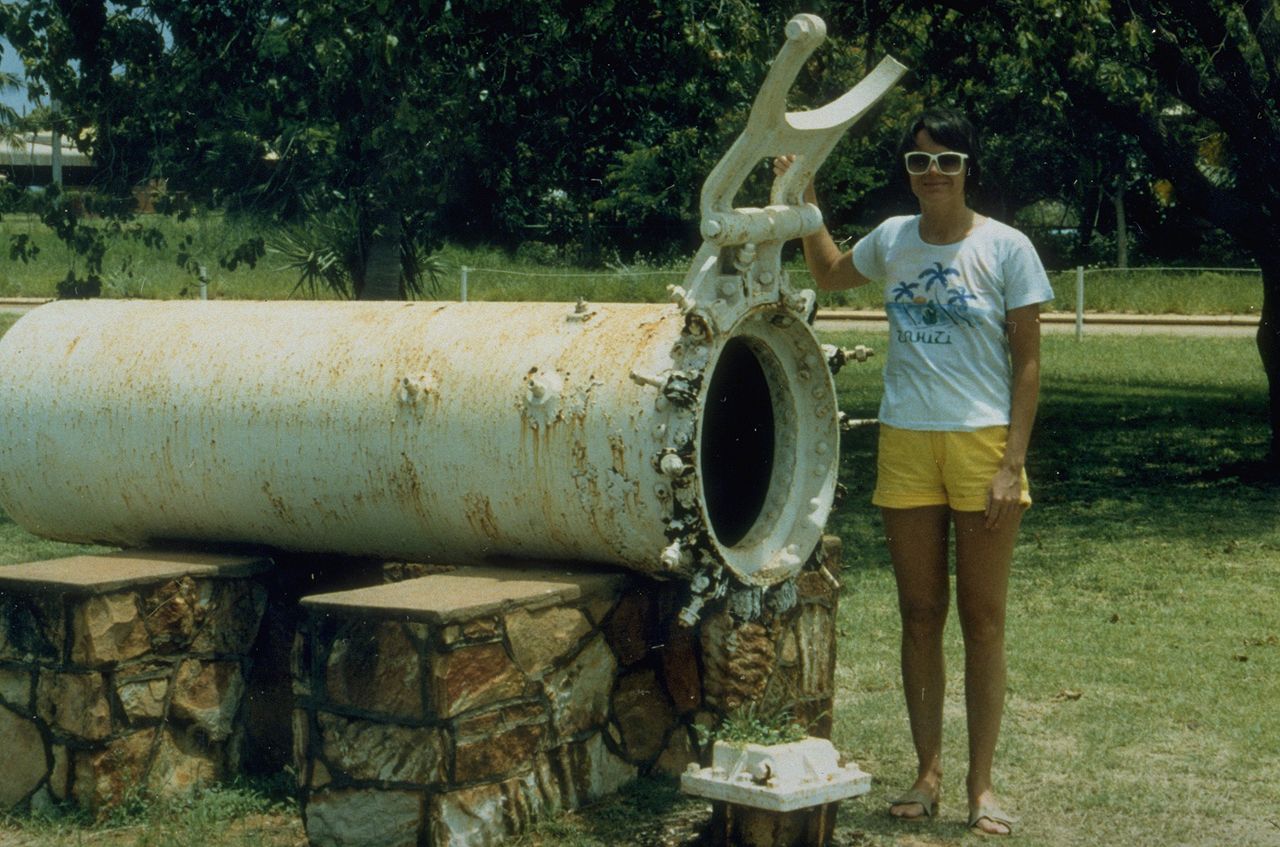
Suspected DCS is a medical emergency. First aid typically includes administering high-concentration oxygen, keeping the patient supine and hydrated, and avoiding further physical exertion. Definitive care is recompression therapy in a hyperbaric chamber, which reduces bubble size and helps redissolve gases while providing oxygen to tissues. Early treatment improves outcomes.
Prevention, risk factors and historical context
Prevention relies on controlled decompression: slow ascent, planned decompression stops, and following dive tables or dive-computer guidance. Risk factors include depth and duration of exposure, rapid ascent, strenuous exercise after exposure, cold, and individual susceptibility. The condition was first recognized in workers and divers exposed to changing pressures; historically it was called caisson disease among 19th-century construction workers and later described in divers.
Distinctions and notable points
DCS is related to but distinct from arterial gas embolism, which results from pulmonary barotrauma. Both may coexist and require urgent evaluation. Recreational and professional divers, aviators, and workers in pressurized environments should be familiar with symptoms and prevention. For authoritative guidance, consult professional dive medicine resources or local emergency services.
Further reading and resources: pressure physiology, circulatory effects, oxygenation and therapy, mechanical damage from bubbles.
Questions and answers
Q: What is decompression sickness?
A: Decompression sickness is a condition caused by bubbles forming in the blood and other body parts of people who experience a reduction in pressure around them too quickly.
Q: What causes the bubbles in decompression sickness?
A: The bubbles are caused by a decrease in pressure around the body too quickly.
Q: How do the bubbles affect the body parts?
A: The bubbles can block the flow of blood and starve the body parts of oxygen. They can also cause damage to the affected parts by stretching, tearing, or pressing on them.
Q: What is another name for decompression sickness?
A: Decompression sickness is also known as the bends.
Q: How can decompression sickness be prevented?
A: Decompression sickness can be prevented by following decompression schedules during diving, ascending slowly enough to allow the body to adjust to the pressure changes, and taking breaks during ascents.
Q: What are the symptoms of decompression sickness?
A: Symptoms of decompression sickness can include joint pain, muscle weakness, tingling or numbness, fatigue, nausea, vomiting, and dizziness.
Q: Can decompression sickness be treated?
A: Yes, decompression sickness can be treated with hyperbaric oxygen therapy, which involves breathing 100 percent oxygen in a pressurized chamber to reduce the size of the bubbles and increase the amount of oxygen in the body.
Related articles
Author
AlegsaOnline.com Decompression sickness (the bends) Leandro Alegsa
URL: https://en.alegsaonline.com/art/26190