
Dacarbazine (DTIC) — antineoplastic methylating agent
Dacarbazine is a chemotherapy prodrug used mainly for metastatic melanoma and some lymphomas. It methylates DNA, has modest response rates, and is limited by nausea, bone marrow suppression and possible liver injury.
Overview
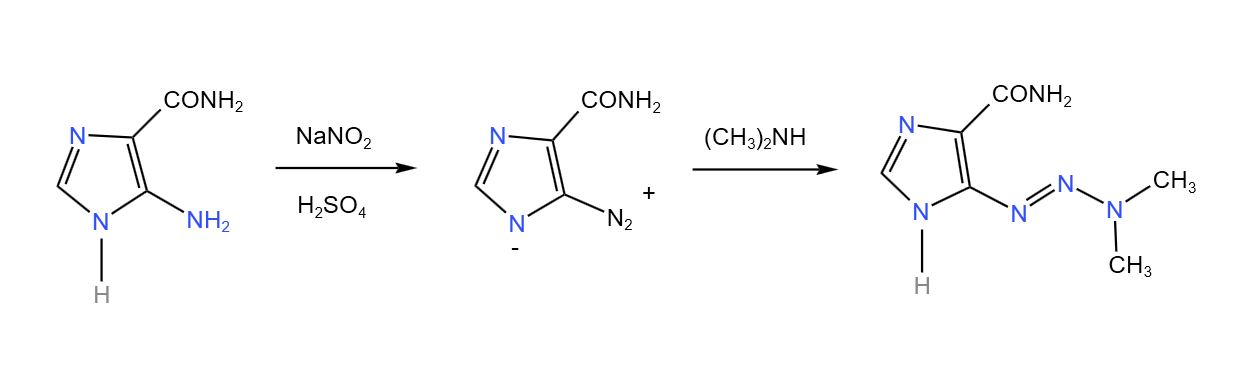
Dacarbazine (abbreviated DTIC) is a systemic chemotherapy drug used to treat certain cancers. It is a prodrug that requires metabolic activation in the liver to produce an active methylating species that damages DNA in rapidly dividing cells. Clinically it has been used most often in metastatic melanoma and in combination regimens for Hodgkin lymphoma; it is administered by intravenous infusion. For further clinical information see drug summaries.
Image gallery
2 Images
How it works
Dacarbazine is classified as a methylating/triazene compound. After hepatic metabolism it forms a reactive intermediate that transfers methyl groups to DNA bases, especially guanine. These methylation events interfere with DNA replication and transcription, promoting apoptosis of sensitive tumor cells. The drug’s activity depends on cell cycle and DNA repair mechanisms in the tumor; differences in these pathways help explain the variable clinical responses. Mechanistic summaries are available at mechanism resources.
Clinical uses and effectiveness
Single-agent dacarbazine produces modest objective response rates in metastatic melanoma and has been incorporated into multi‑drug regimens for lymphomas (for example, ABVD for Hodgkin lymphoma). Response rates in melanoma are typically limited and improvements in overall survival have been inconsistent in clinical trials. Because of that limited efficacy, newer targeted and immunotherapy options are often preferred when available, though dacarbazine may still be used when other options are not suitable.
Administration and alternatives
Dacarbazine is given intravenously on specific dosing schedules determined by tumor type and patient condition. An oral drug related in mechanism, temozolomide, is sometimes used as an alternative because it converts to the same active metabolite and is easier to administer, but clinical contexts and side effect profiles differ.
Side effects and risks
The drug’s toxicity limits its use. Common and important adverse effects include:
- Myelosuppression (neutropenia, thrombocytopenia, anemia) — dose‑limiting in many patients
- Significant nausea and vomiting that often requires preventive antiemetics
- Hepatotoxicity and transient liver enzyme elevations; rare severe liver injury has been reported (see liver safety)
- Flu-like symptoms, fatigue, and local infusion reactions
- Rarely, treatment-related secondary malignancies such as leukemia
For detailed adverse effect guidance consult product and safety references: safety information.
Notable facts and considerations
Dacarbazine has been part of oncology practice for decades and illustrates the trade-offs of traditional cytotoxic chemotherapy: some tumors show shrinkage, but effects on long-term survival are often limited and toxicity can be substantial. Choices about using dacarbazine consider tumor type, prior treatments, patient fitness, and the availability of newer, more targeted or immunomodulatory therapies. Clinicians monitor blood counts and liver tests closely during treatment.
Because evidence and treatment standards evolve, patients and providers should review current guidelines and therapeutic options when considering dacarbazine as part of a cancer treatment plan.
Related articles
Author
AlegsaOnline.com Dacarbazine (DTIC) — antineoplastic methylating agent Leandro Alegsa
URL: https://en.alegsaonline.com/art/25024
Sources
- skincancer.about.com : "Cancer Chemotherapy for Melanoma: Dacarbazine"