
Custard: ingredients, types, history and culinary uses
Custard is a milk-and-egg preparation used as a dessert, filling or sauce. This article explains its varieties, preparation methods, regional forms and culinary roles.
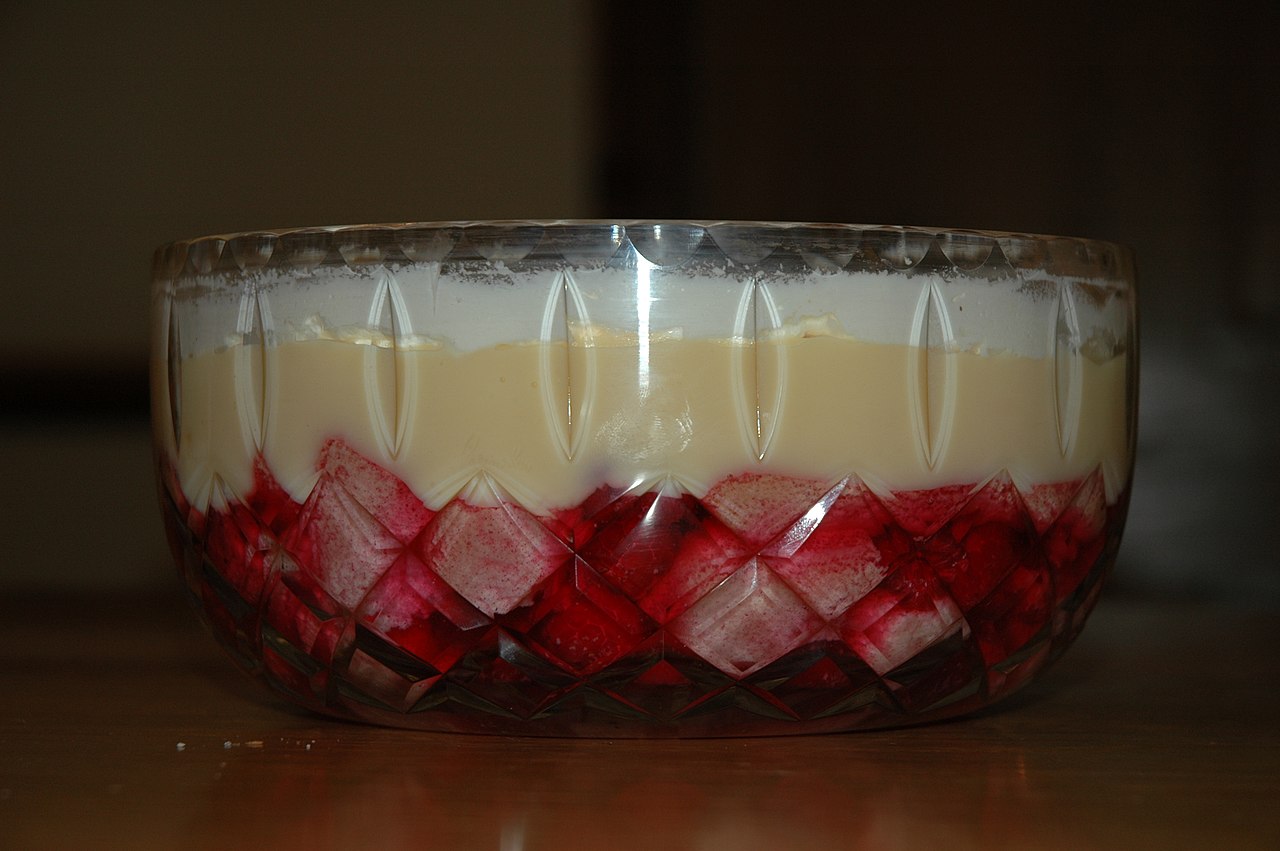
Custard is a broad category of preparations whose basic structure is formed by the coagulation of egg proteins in a liquid, typically a mixture of milk and eggs. A custard may be cooked until just thickened and pourable, served as a sauce, or baked or steamed until firm and sliceable as a dessert or component of other dishes. Classic ingredients are milk (or cream) and eggs, often sweetened and flavored with vanilla, citrus, or spices.
Image gallery
5 Images



Characteristics and common types
Custards range from thin, spoonable sauces to firm, set desserts. Crème anglaise is a loose, stirred custard used as a pouring sauce, while crème pâtissière (pastry cream) is thickened and cooled to fill tarts and éclairs. Baked custards such as flan or crème brûlée are cooked gently until set; savory variants include quiches and egg custards that incorporate vegetables, cheese or meat. Commercial and home recipes sometimes substitute starches (cornstarch or flour) for part of the eggs to change texture and stability.
History and regional variations
Custard-like dishes have a long culinary history in Europe and beyond. In the United Kingdom, custard appears as pouring custard for puddings and as baked tarts; see regional recipes from the United Kingdom. French cuisine developed refined versions such as crème brûlée and pastry creams (France). Iberian traditions produced egg-based sweets and tarts popular in Portugal and Spain. Italy uses custard in pastries and desserts (Italy), while modern adaptations appear across continents including Australia and Southeast Asia, for example in some Malaysian desserts (Malaysia).
Uses, preparation tips and examples
Custard serves many culinary roles: as a standalone dessert, a filling for cakes and pastries, a sauce for puddings, or a base for frozen desserts. Typical preparation methods include tempering beaten eggs with warm milk to avoid curdling, and gentle cooking over a bain-marie (water bath) for even heat. Common examples are crème anglaise (pouring custard), pastry cream for tarts, flan/pudim (baked custard with caramel), and custard-filled pastries.
- Techniques: temper eggs, strain before setting, cook slowly to prevent graininess.
- Stabilizing: some recipes add cornstarch or extra yolks for a richer, steadier texture.
- Safety: because custards contain eggs and dairy, refrigerate promptly and consume within recommended times.
Distinctions and notable facts
Terminology can vary: in some English-speaking regions "custard" denotes egg-thickened preparations while "pudding" may imply a starch-thickened dessert. The same basic custard concept underlies many classic sweets and savory dishes, and small changes in ratio and technique produce distinctly different textures—from silky sauces to firm slices. Packaged powdered custard mixes and eggless versions exist, but traditional custard is prized for its flavor and mouthfeel derived from eggs and dairy. For more specific recipes and techniques, consult dedicated culinary sources such as ingredient or country guides (dessert, sauce).
Related articles
Author
AlegsaOnline.com Custard: ingredients, types, history and culinary uses Leandro Alegsa
URL: https://en.alegsaonline.com/art/24777
Sources
- commons.wikimedia.org : Custards