
Cutlery: tools, materials, history, and table practice
Comprehensive overview of cutlery — types (knives, forks, spoons), common materials, cultural variations, etiquette, care, and notable distinctions for everyday and formal use.
Overview
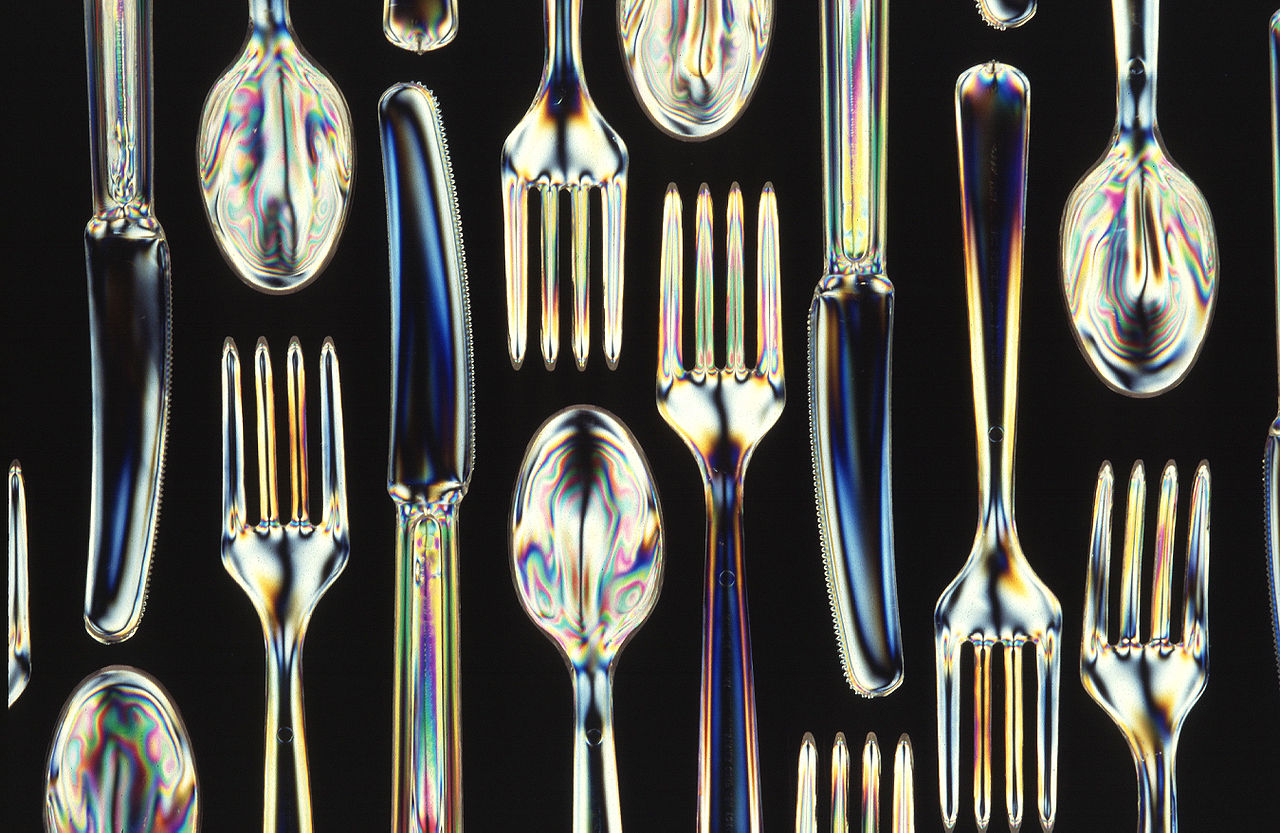
Cutlery denotes the handheld tools used for preparing, serving and eating food. In everyday English the term overlaps with silverware, tableware, utensils and flatware. The central, widely recognised items are the knife, the spoon and the fork. Beyond these, cutlery can include serving implements, carving equipment and specialty pieces designed for particular foods.
Image gallery
10 Images


Common types and characteristics
Typical household cutlery is organised into sets grouped by function. A basic set will contain several sizes of knives, forks and spoons. Specialty items include butter knives, fish knives, dessert forks, soup spoons, serving tongs and ladles. Each piece has a blade, bowl, tine or notch specific to its purpose: knives for cutting, spoons for scooping liquids and soft foods, forks for piercing and lifting solids. Professional and kitchen cutlery may extend to chef's knives, paring knives and carving forks used in food preparation rather than only at table.
Materials and construction
A variety of materials have been used for cutlery. Historically and for high-end pieces, silver and silver-plated wares were prized for appearance and resistance to corrosion. Today most durable household sets are made from stainless steel, valued for strength, hygiene and ease of maintenance. Cheaper historic options included pewter, while alloys such as nickel silver (a copper, nickel and zinc alloy) have been used to imitate silver at lower cost. Disposable plastic pieces are common for takeout and fast food because they are inexpensive and single-use. Handles may be made from metal, wood, bone, or modern polymers; construction methods range from forged one-piece designs to assembled, riveted handles.
History and cultural variation
The forms and social meanings of cutlery have changed over centuries. Knives were once personal tools carried by individuals; forks and spoons evolved in usage and etiquette through medieval and Renaissance Europe. Cultural traditions shape which implements are customary: in many East and Southeast Asian cuisines, including Chinese and Japanese dining, chopsticks or other implements replace or supplement Western cutlery. In some regions people routinely eat with a spoon and fork combination, and in formal Western service a full complement of pieces may be placed for multiple courses.
Table setting, service and etiquette
Formal table service follows established patterns. Cutlery is arranged so that outermost utensils are used first, working inward toward the plate; often a smaller set is provided for early courses and larger pieces for the main course. Some items are presented with the course they accompany rather than laid out in advance. In casual dining or in many restaurant settings, utensils may arrive wrapped in a cloth napkin or serviette for convenience. Regional rules determine whether knives remain in the right hand, fork in the left, or whether diners switch grip styles between courses.
Care, sustainability and modern trends
Care depends on material: stainless steel resists rust and is usually dishwasher-safe; silver requires polishing to avoid tarnish; wood-handled pieces often need hand washing and drying. Environmental concerns have reduced reliance on single-use plastics and encouraged recyclable or durable alternatives. Contemporary design also explores ergonomic handles, specialist knives for particular cuisines, and hybrid tableware that blends traditional shapes with modern materials.
Notable distinctions and practical advice
When choosing cutlery consider weight, balance, corrosion resistance and maintenance. Sterling silver remains a luxury choice prized for heirloom quality, while stainless steel offers the best everyday combination of cost and durability. For travel or outdoor dining, disposable or lightweight sets may be practical despite environmental trade-offs. For non-Western dining styles, familiarising oneself with local utensils — for example, chopsticks instead of forks — improves comfort and respect for custom. For further reading on specific styles, materials and etiquette consult specialist sources or guides tailored to regional dining traditions.
Tools and uses • Knives • Spoons • Forks • Silver • Silver-plating • Stainless steel • Pewter • Nickel silver • Plastic • Fast food • Restaurant • Cloth napkin • Chinese • Chopsticks
Questions and answers
Q: What is cutlery?
A: Cutlery refers to tools used for preparing, serving and eating food.
Q: What are the most common types of cutlery?
A: The most common types of cutlery are knives, spoons, and forks.
Q: What other words are used for cutlery?
A: Other words for cutlery are silverware, tableware, utensils, and flatware.
Q: What materials are used in making the best quality cutlery?
A: The best quality cutlery may be made of silver, but more often silver plating. Stainless steel is used for most good quality household cutlery.
Q: What was often used in the past for cheap cutlery?
A: Pewter was often used in the past for cheap cutlery.
Q: What is plastic cutlery used for?
A: Plastic cutlery is used for eating fast food because it is very cheap and may be thrown away afterwards.
Q: How does serving practice and use of cutlery vary between cultures?
A: Serving practice and use of cutlery varies somewhat between cultures. Formal dinners have cutlery set out in a traditional manner. There will be two sets of knives and forks, an outer smaller set for the first course and a larger inner set for the main course. Cutlery for later courses will usually be delivered with those courses. In an informal restaurant, cutlery may come wrapped in a cloth napkin (serviette). Chinese and Japanese food is eaten with chopsticks, and food pre-cut to a size suitable for that method. Some other oriental cuisines are eaten by fork and spoon, with no knife.
Related articles
Author
AlegsaOnline.com Cutlery: tools, materials, history, and table practice Leandro Alegsa
URL: https://en.alegsaonline.com/art/24798