
Crowborough: market town on the High Weald near Ashdown Forest
Crowborough is a town in the Wealden district of East Sussex, England, known for Crowborough Beacon, links to Sir Arthur Conan Doyle, and proximity to Ashdown Forest.
Crowborough is a town in the Wealden district of East Sussex, England. It sits on the High Weald on the edge of Ashdown Forest and functions as a local service centre for surrounding villages. The town recorded a population of 19,939 in the 2001 census and has grown as a residential and commuter community while retaining rural and recreational character.
Image gallery
3 Images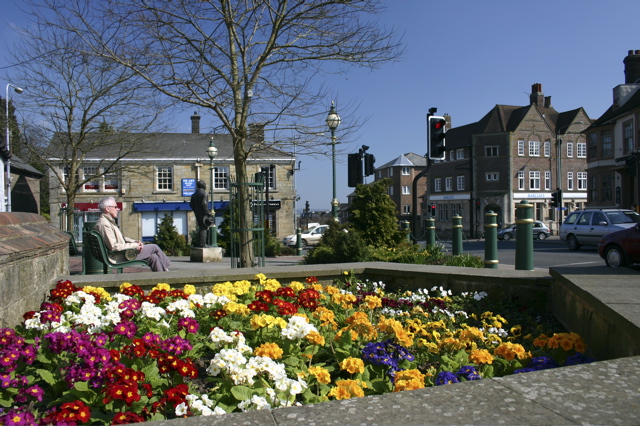


Geography and landmarks
Crowborough occupies a raised area of the Weald known for heathland, woodlands and panoramic views. The most prominent local high point is Crowborough Beacon, a popular viewpoint and site for walks. The town provides good access to the adjacent Ashdown Forest, an area of open heath and ancient woodland Ashdown Forest that attracts walkers, riders and naturalists.
History and development
The settlement expanded in the 19th century with improved roads and rail links, evolving from scattered farms and estates into a larger market town. In the early 20th century Crowborough became well known as the home of Sir Arthur Conan Doyle, who lived locally and is commemorated in places around the town. Civic growth brought schools, churches and civic institutions while conserving many green spaces.
Transport, economy and community
Crowborough is connected by local roads and a railway station that provides services towards nearby towns and connections for commuters. The town centre comprises independent shops, professional services and community facilities. Many residents commute to larger employment centres while others work in local businesses, education and leisure sectors.
Recreation and notable features
The area is used for outdoor pursuits such as walking, cycling and horse riding. Local attractions and activities include:
- Trails around Crowborough Beacon and the wooded slopes of the High Weald.
- Access to the extensive heathland and wildlife of Ashdown Forest.
- Community events, sports clubs and small cultural venues.
Crowborough lies within the administrative area of Wealden and the ceremonial county of England. Its combination of elevated scenery, accessible green spaces and historic associations give it a distinct local identity within East Sussex.
Related articles
Author
AlegsaOnline.com Crowborough: market town on the High Weald near Ashdown Forest Leandro Alegsa
URL: https://en.alegsaonline.com/art/24383
Sources
- eastsussexinfigures.org.uk : "East Sussex in Figures"
- ons.gov.uk : "Local statistics - Office for National Statistics"