
Cuenca, Ecuador: Historic Andean City and UNESCO World Heritage Site
Cuenca is the capital of Azuay Province in southern Ecuador. Renowned for its well-preserved colonial center, four rivers, Andean setting and cultural life, it is a major cultural and academic hub.
Overview

Cuenca (full name Santa Ana de los cuatro ríos de Cuenca) is the administrative capital of the Azuay Province in the highlands of Ecuador. Situated at roughly 2,500–2,600 meters above sea level, the city occupies a valley crossed by four rivers and combines a compact colonial core with expanding modern neighborhoods. Its historic center is noted for a large concentration of preserved churches, plazas and civic buildings and is protected as a UNESCO World Heritage site.
Image gallery
10 Images





History and name
Cuenca was established as a Spanish colonial city in the 16th century and named after the older Spanish city of Cuenca. It grew on pre-Columbian foundations and served as a regional administrative and religious center. Over centuries the city evolved through indigenous, Spanish and republican periods; that layered history is visible in both street patterns and building styles.
Architecture and urban character
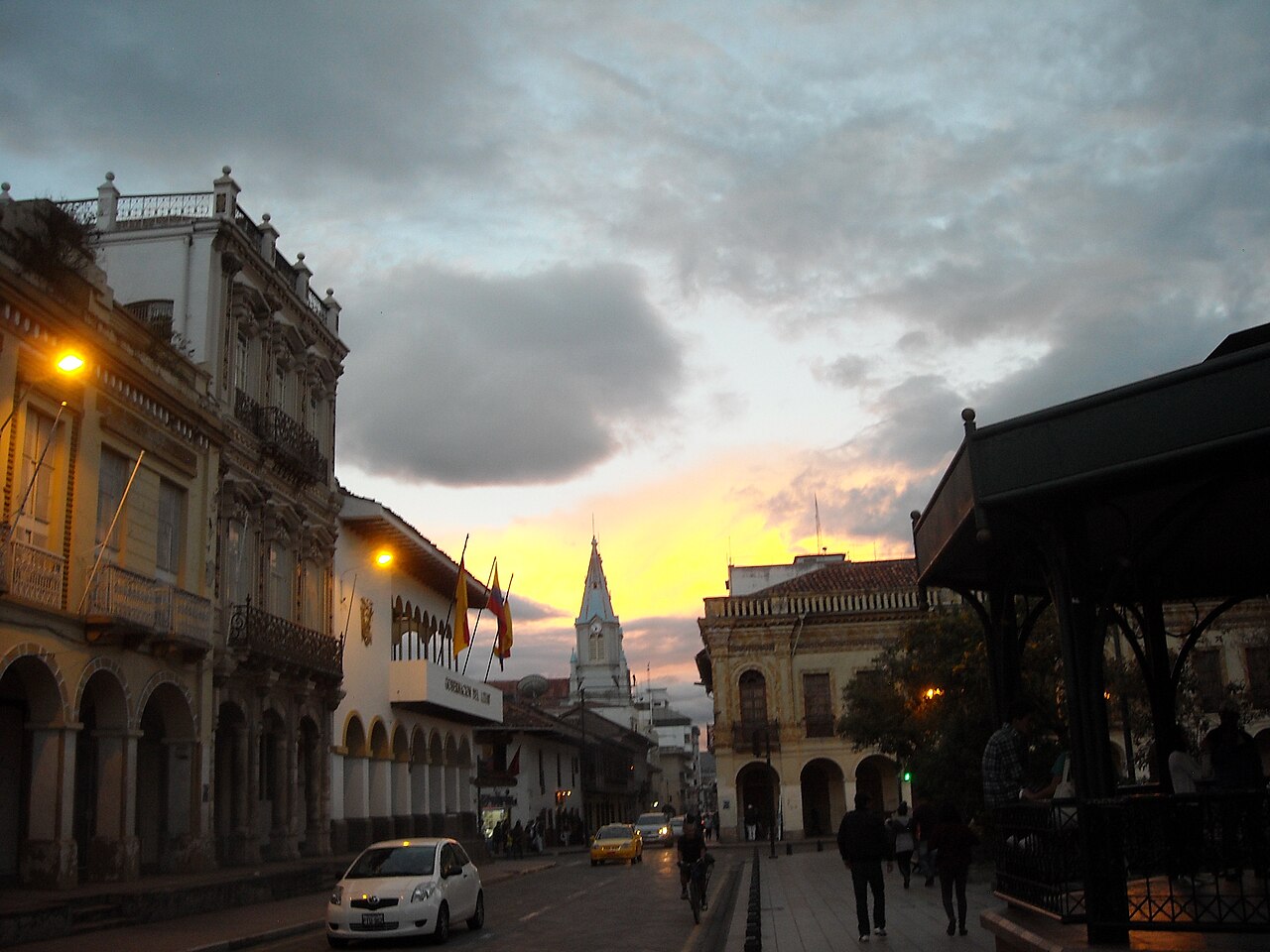
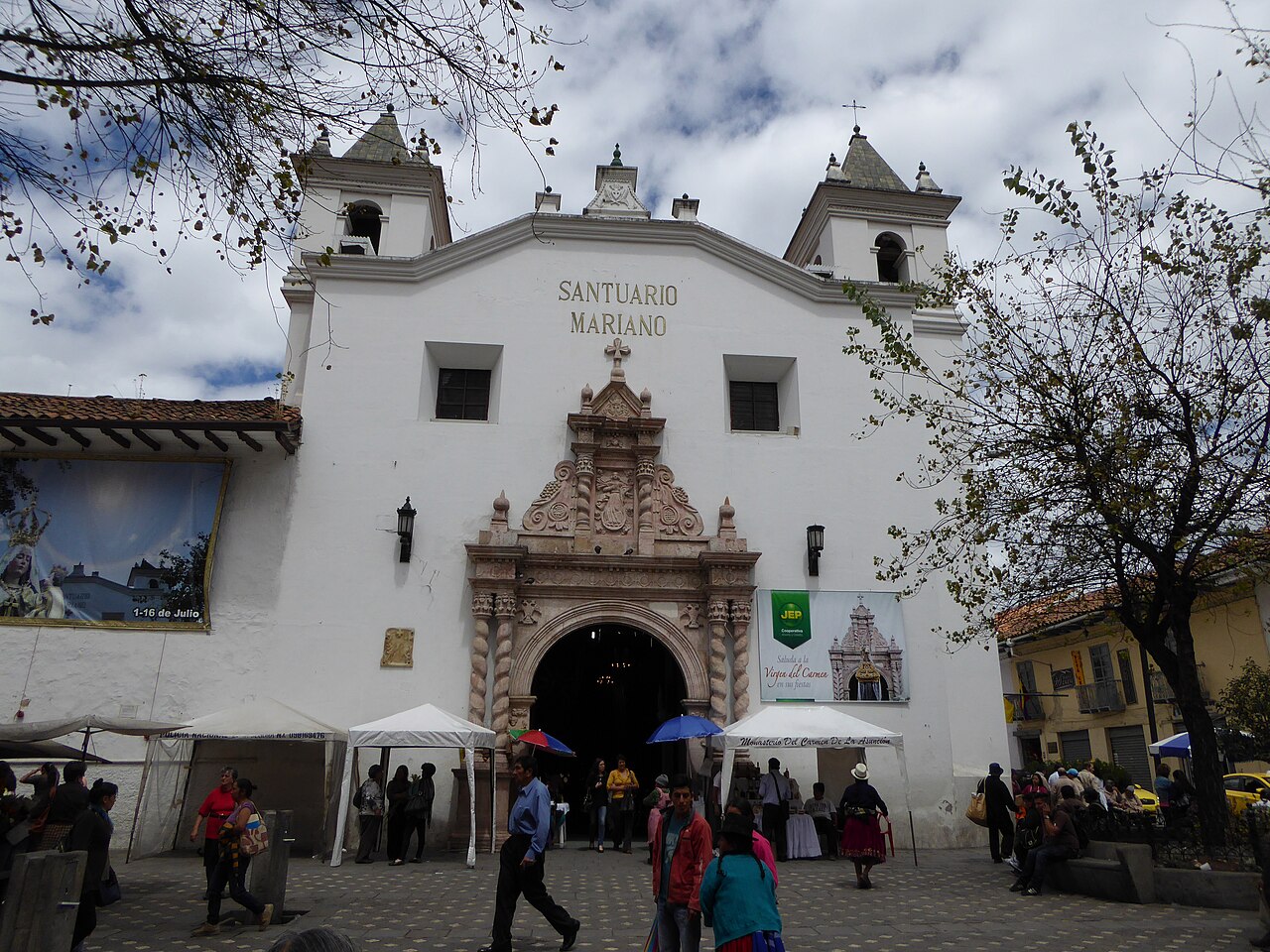
The historic center is defined by narrow cobbled streets, plazas and prominent churches, including a cathedral with distinctive blue domes that has become an iconic image of the city. The four rivers—whose presence is reflected in the full name—help shape the urban landscape and provide green corridors and riverside promenades. Because of the cohesion and preservation of its historic buildings, the center received international recognition and conservation attention.
Economy, culture and daily life
Cuenca functions as an economic and cultural hub for the southern Sierra. Industries include education, health services, tourism, handicrafts (textiles, jewelry and hats), and light manufacturing. The city hosts universities, museums and lively markets. Local festivals, religious processions and artisan fairs sustain traditions while drawing national and international visitors.
Climate, access and notable sites
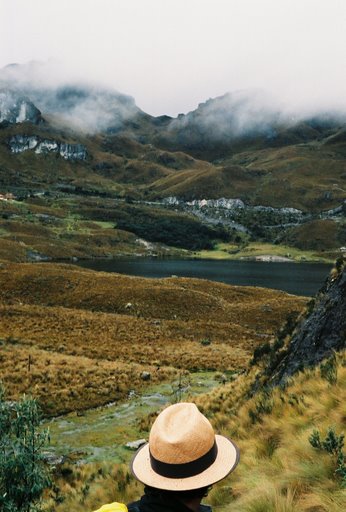
At high elevation the climate is temperate and often described as mild or spring-like, with distinct wet and dry seasons. Cuenca is a gateway for exploring surrounding highland valleys and archaeological sites; nearby attractions include colonial haciendas, regional museums and the Inca site of Ingapirca. Practical highlights include:
- Historic Cathedral and central plazas
- Riverside promenades and parks
- Traditional craft markets and museums
- Academic institutions and cultural festivals

Today Cuenca is valued for its heritage, quality of life and role as a southern Andean center. Its layered history, preserved architecture and natural setting make it a prominent Ecuadorian city for residents and visitors alike.
Related articles
Author
AlegsaOnline.com Cuenca, Ecuador: Historic Andean City and UNESCO World Heritage Site Leandro Alegsa
URL: https://en.alegsaonline.com/art/24554