
Cruzy-le-Châtel — commune in the Yonne department of north-central France
Cruzy-le-Châtel is a small rural commune in Yonne, Bourgogne-Franche-Comté, north-central France, known for agricultural landscape, local heritage linked to a historic castle element in its name, and village life.
Cruzy-le-Châtel is a small rural commune in the Yonne department of the Bourgogne-Franche-Comté region in north-central France. Like other French communes it is the basic unit of local government and community life, with a mayor and municipal council responsible for local services, civil registration and communal facilities. General information and municipal notices are typically available from the commune or departmental sources.
Image gallery
1 Image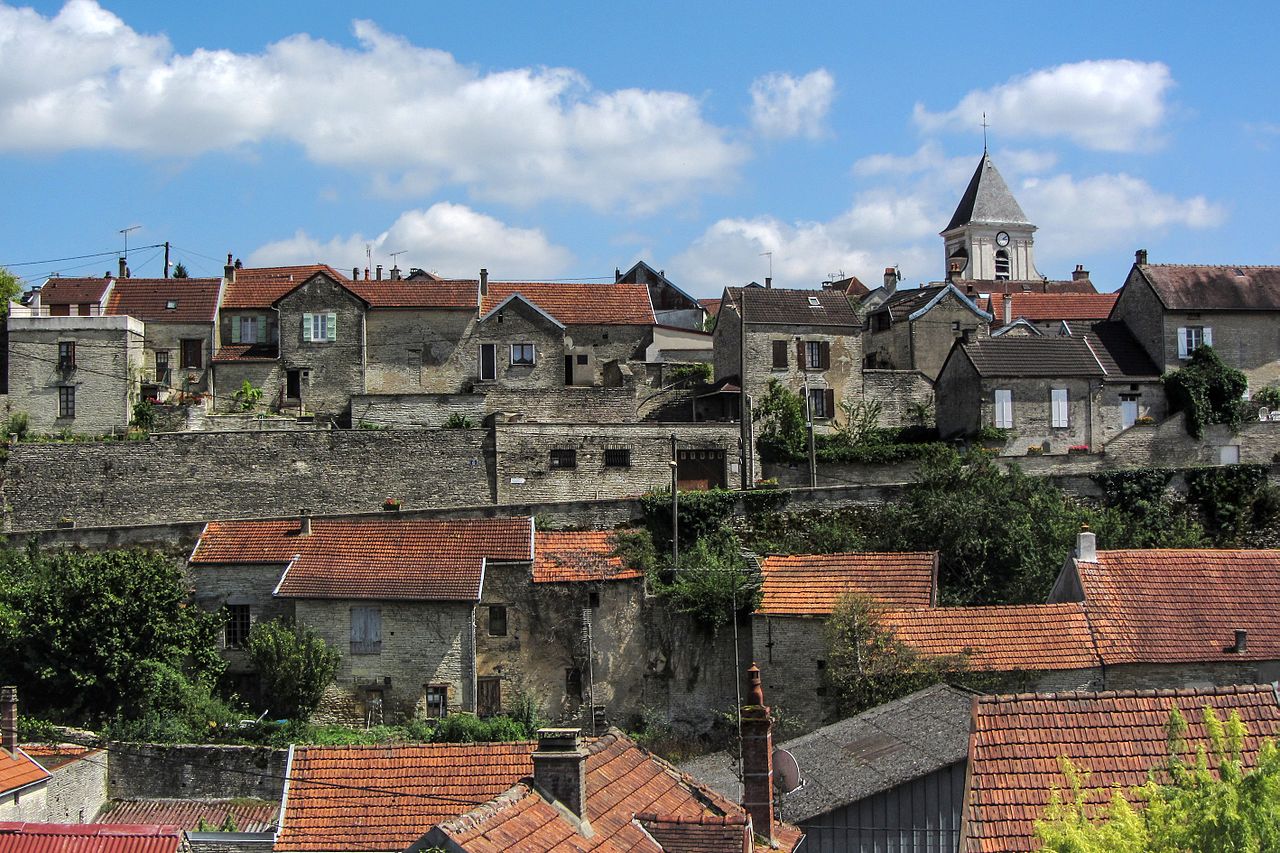
Geography and administration
The territory of the commune comprises agricultural fields, hedgerows and small wooded areas typical of this part of Burgundy. Its lanes connect the village center with surrounding hamlets and farms. Administratively the commune forms part of the departmental organisation centred on the Yonne authorities and regional structures, and it relies on nearby towns for many public services and markets.
History and name
The element "le-Châtel" in the place-name indicates a historic association with a castle, fortified manor or seigneurial residence, a common toponymic trace in rural France. Such names often reflect medieval territorial organisation and local lordship, even where only earthworks or place-name memory remain today. Historical research and local archives can provide more detailed accounts of settlement development and notable families.
Built heritage and landscape
Typical built features include a parish church, traditional stone houses, farm buildings and, in some communes, vestiges of older defensive structures or manor houses. The surrounding agricultural landscape contributes to scenery valued by residents and visitors alike. For broader context on departmental heritage consult resources maintained by the department or regional cultural services.
Economy, community and visiting
Local economic activity is largely agricultural, sometimes supplemented by small trades, crafts and rural tourism. Community life commonly revolves around municipal events, associations and nearby market towns. Visitors to communes such as Cruzy-le-Châtel can expect quiet roads, opportunities for walking, and local festivals or markets at certain times of year. Practical visitor information is usually available via the commune or the national tourist information services for France.
- The term "commune" denotes the smallest administrative division in France and carries responsibilities for local matters.
- Place-names ending in "-le-Châtel" commonly reflect a historic fortified site or lordly residence.
- Small Yonne communes contribute to the cultural and agricultural character of the region.
For precise details on population, municipal contacts, local events and archival sources, consult the commune's publications and departmental archives or the municipal web page linked above.
Related articles
Author
AlegsaOnline.com Cruzy-le-Châtel — commune in the Yonne department of north-central France Leandro Alegsa
URL: https://en.alegsaonline.com/art/24437
Sources
- insee.fr : INSEE
- insee.fr : "Populations légales 2017"
- wikidata.org : wikidata.org/wiki/Q1140789
- catalogue.bnf.fr : cb15279580p
- data.bnf.fr : (data)
- d-nb.info : 4244132-8
- id.loc.gov : n2009063408
- viaf.org : 128074780
- worldcat.org : 128074780