
Crotalus ruber (Red Diamond Rattlesnake)
A concise overview of Crotalus ruber, the red diamond rattlesnake: identification, range, behavior, venom, reproduction, conservation, and how it differs from related rattlesnakes.
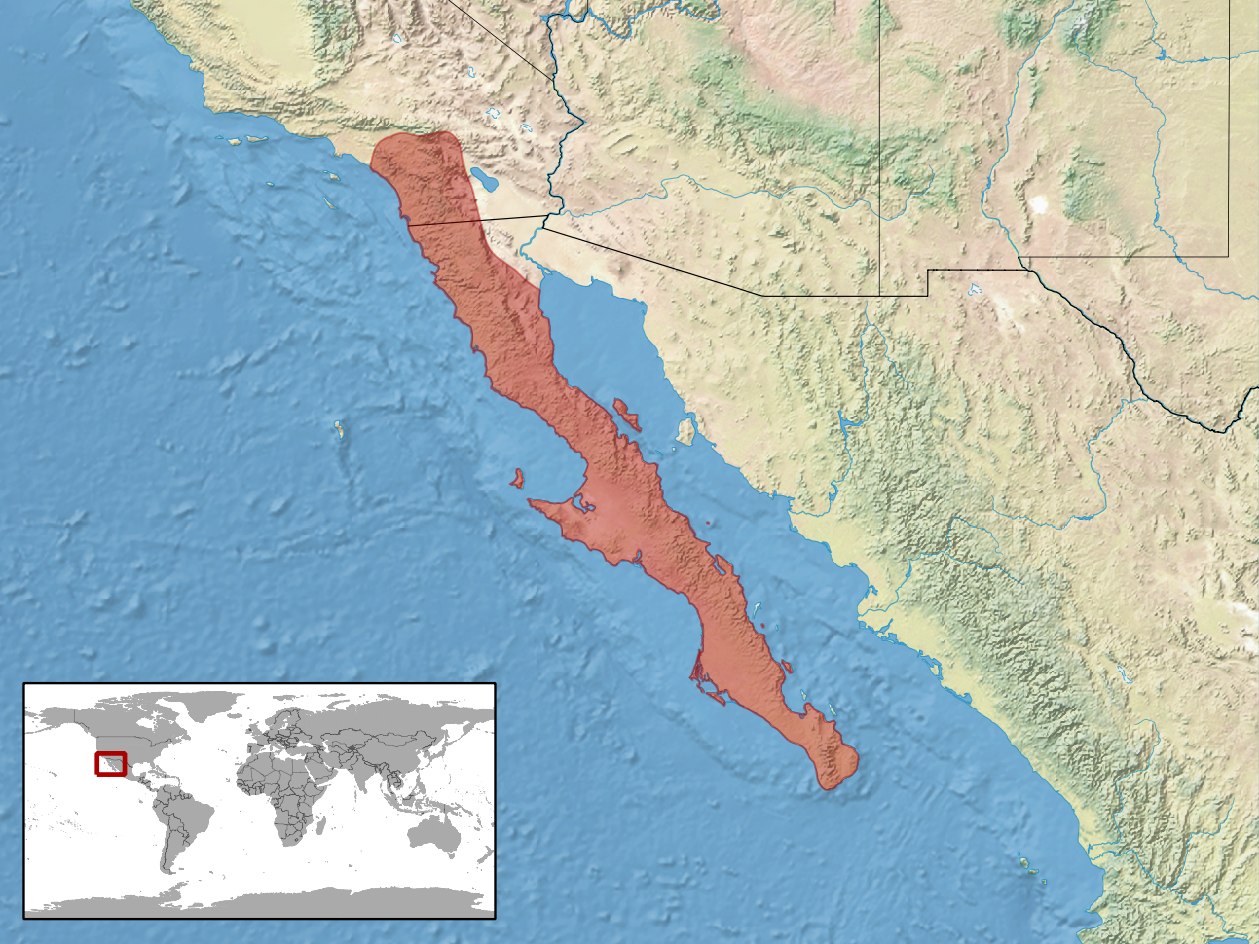
Crotalus ruber, commonly called the red diamond rattlesnake, is a venomous pit viper native to parts of the southwestern United States and Baja California. Recognizable for its reddish-brown background color and diamond-shaped dorsal blotches, it is one of several rattlesnake species adapted to arid and semi-arid landscapes.
Image gallery
6 Images



Identification and characteristics
This species typically has a stout body, keeled scales and a distinct rattle at the tail tip. Heat-sensing loreal pits located between the eye and nostril allow it to detect warm-blooded prey. Coloration ranges from pinkish or brick-red tones to browner variants; patterns and size vary geographically, which has led to the recognition of multiple subspecies and regional forms.
Range, habitat and behavior
Crotalus ruber is found mainly in coastal and inland scrub, rocky hillsides and desert edges. It is active at dusk and night in hot months, shifting to daytime activity when temperatures are cooler. Diet consists largely of rodents, birds and small reptiles. When threatened it typically delivers a warning rattle before striking, but will defend itself if cornered.
Venom and medical notes
The venom is primarily hemotoxic, affecting blood and soft tissues. Bites can be serious and require prompt medical attention; antivenom and supportive care are the standard treatments. Avoid handling wild snakes and maintain distance if encountered.
Reproduction and lifecycle
Like most rattlesnakes, C. ruber is ovoviviparous: females give birth to live young rather than laying eggs. Juveniles are independent soon after birth and possess a small button on the tail rather than a fully formed rattle.
Conservation and notable facts
Populations face pressures from habitat loss, road mortality and human persecution. Local status varies; some populations are relatively secure while others are of conservation concern. For more detailed taxonomic or regional information, see specialist references.
- Distinctive feature: reddish diamond-like dorsal pattern.
- Defensive cue: audible rattle used as a warning.
- Important: seek immediate medical care after any rattlesnake bite.
Related articles
Author
AlegsaOnline.com Crotalus ruber (Red Diamond Rattlesnake) Leandro Alegsa
URL: https://en.alegsaonline.com/art/24362
Sources
- iucnredlist.org : "Crotalus ruber"