
Crotalus — genus of rattlesnakes
Crotalus is the genus of rattlesnakes native to the Americas, recognized for their keratin tail rattles, heat-sensing pits and medically significant venom. Overview of traits, range, behavior, and conservation.
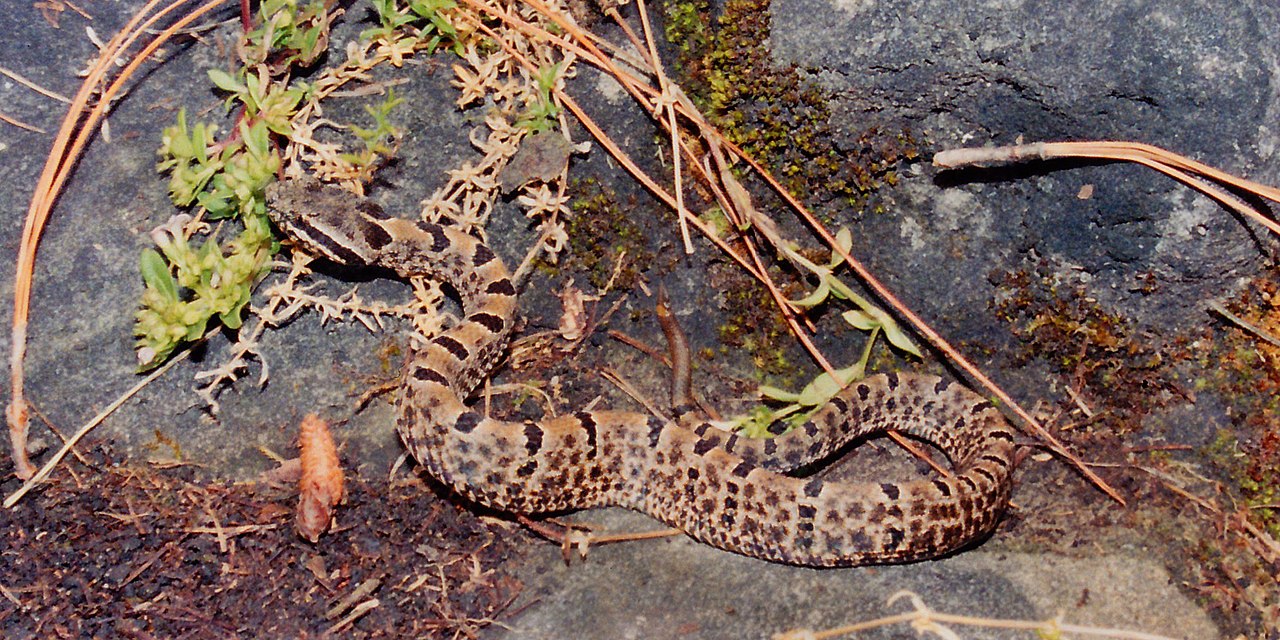
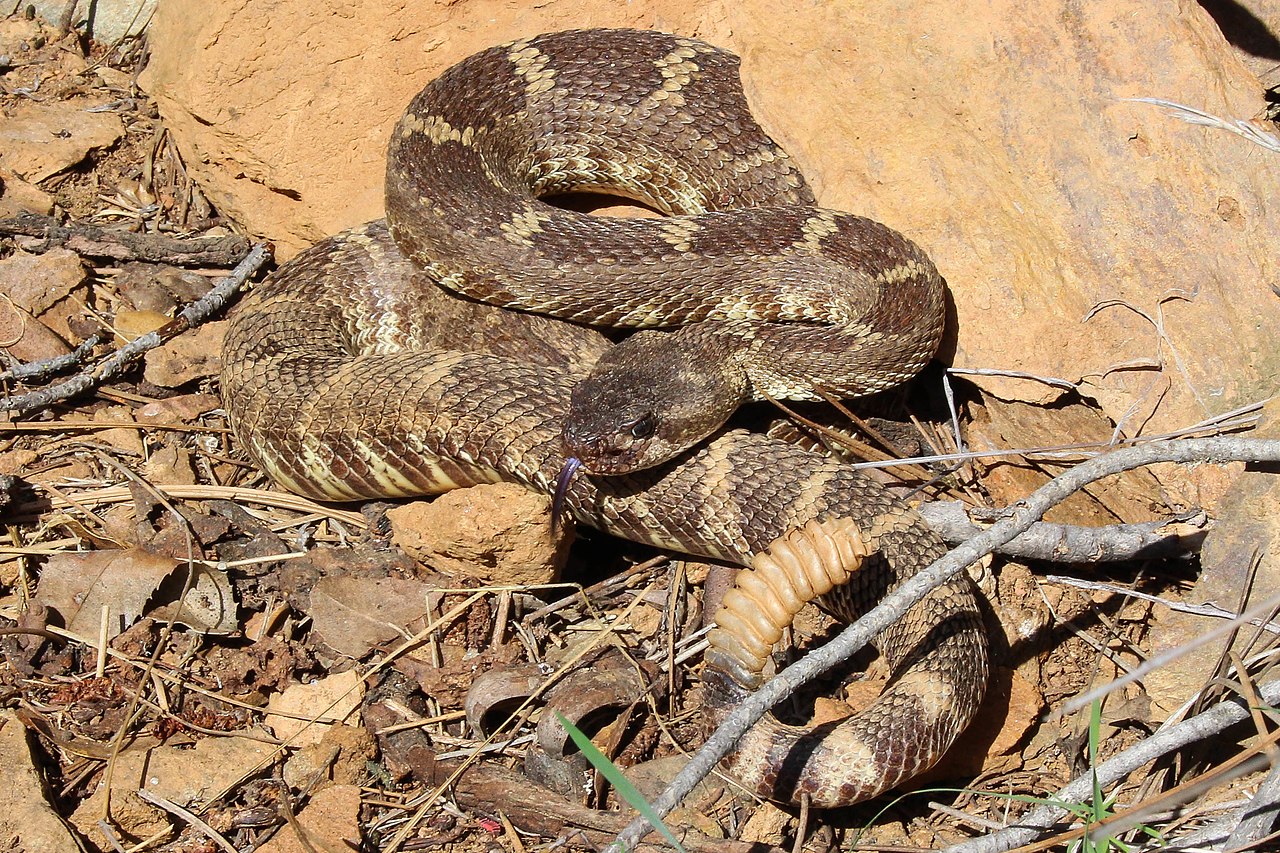
Crotalus is a genus of venomous pit vipers commonly called rattlesnakes. Members of this group are best known for the segmented, keratinous rattle at the tip of the tail, which produces a characteristic buzzing sound when vibrated. The name derives from the Greek krotalon, meaning "rattle." Today the genus contains a number of species—currently recognized as 29—that occupy a wide variety of habitats across the Americas. For a taxonomic overview see genus information.
Image gallery
10 Images



Physical characteristics
Rattlesnakes in the genus Crotalus share several distinctive anatomical features. These include:
- a series of interlocking rattle segments made of keratin at the tail tip;
- heat-sensitive pit organs between each eye and the nostril that detect infrared radiation, aiding in prey detection;
- solenoglyphous fangs—long, hollow, retractable fangs used to inject venom.
Range and habitat
Crotalus species are native to the New World, with a range extending from southern Canada through the United States and Mexico and into Central and South America as far as northern Argentina. They occupy deserts, grasslands, rocky hillsides, forests and some high-elevation zones. For maps and regional details consult the distribution resources and regional species accounts.
Behavior, diet and reproduction
These snakes are generally ambush predators that feed on small mammals, birds, amphibians and occasionally other reptiles. Activity patterns vary by species and climate: some are primarily diurnal, others crepuscular or nocturnal. Most Crotalus give birth to live young (a reproductive mode often described as ovoviviparity or viviparity), and litter sizes vary by species and maternal size.
Venom and medical importance
Venom composition varies among species and populations but is typically rich in proteins that cause local tissue damage, disrupt blood clotting and impair circulation. Certain species, such as the Mojave rattlesnake (Crotalus scutulatus), are noted for neurotoxic components in addition to hemotoxic effects. Bites can be serious and require prompt medical attention and, when appropriate, administration of antivenom. General information on pit vipers and envenomation treatment is available at pit viper resources and clinical guides.
Taxonomy, conservation and notable facts
Crotalus belongs to the subfamily Crotalinae (pit vipers) within the family Viperidae. Closely related genera include Sistrurus, which contains smaller 'pygmy' rattlesnakes that differ in scalation and head proportions. Conservation concerns for many rattlesnake populations include habitat loss, road mortality, intentional killing and illegal collection. Some species are assessed under regional or international conservation frameworks; for further reading on species lists and protection measures see the species checklist and conservation resources.
Questions and answers
Q: Where are Crotalus pit vipers found?
A: Crotalus pit vipers are found only in the Americas, ranging from southern Canada to northern Argentina.
Q: What does the name Crotalus mean?
A: The name Crotalus is derived from the Greek word krotalon, which means "rattle", referring to the rattle located at the end of the tail of Crotalus pit vipers.
Q: What is the number of recognized species of Crotalus at present?
A: There are currently 29 recognized species of Crotalus pit vipers.
Q: Are Crotalus pit vipers venomous?
A: Yes, Crotalus pit vipers are venomous.
Q: Are there any other animals that resemble Crotalus pit vipers?
A: There are some non-venomous snakes that resemble Crotalus pit vipers for survival purposes, like the false Coral snake.
Q: How do Crotalus pit vipers use the rattle located at the end of their tail?
A: Crotalus pit vipers use their rattle as a warning sign to predators, they shake it producing a buzzing sound that can be heard from a distance.
Q: Do Crotalus pit vipers have any cultural or symbolic meaning in some societies?
A: Yes, Crotalus pit vipers hold cultural and symbolic meaning in some societies. For example, in some Native American cultures, these snakes are revered and seen as symbols of transformation, healing, and renewal.
Related articles
Author
AlegsaOnline.com Crotalus — genus of rattlesnakes Leandro Alegsa
URL: https://en.alegsaonline.com/art/24363