
Crayfish: freshwater crustaceans, biology, diversity, and human uses
Crayfish (also crawdads or crawfish) are freshwater crustaceans related to lobsters, crabs and shrimp. They live in streams, ponds and wetlands; over 540 species exist worldwide with key ecological roles.
Overview
Crayfish are freshwater crustaceans commonly called crawdads, crawfish or freshwater lobsters. They resemble small lobsters and are closely related to true lobsters, crabs and shrimp. Worldwide diversity exceeds five hundred species, with roughly one hundred fifty species native to North America. They occupy streams, rivers, lakes, ponds and wetlands and in some regions burrow into banks and marshes.
Image gallery
10 Images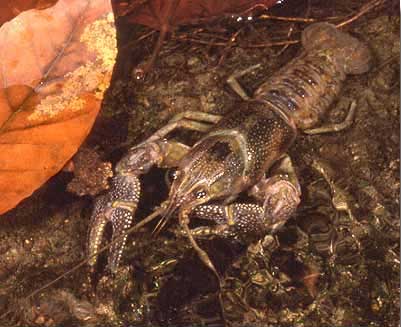




Characteristics and life cycle
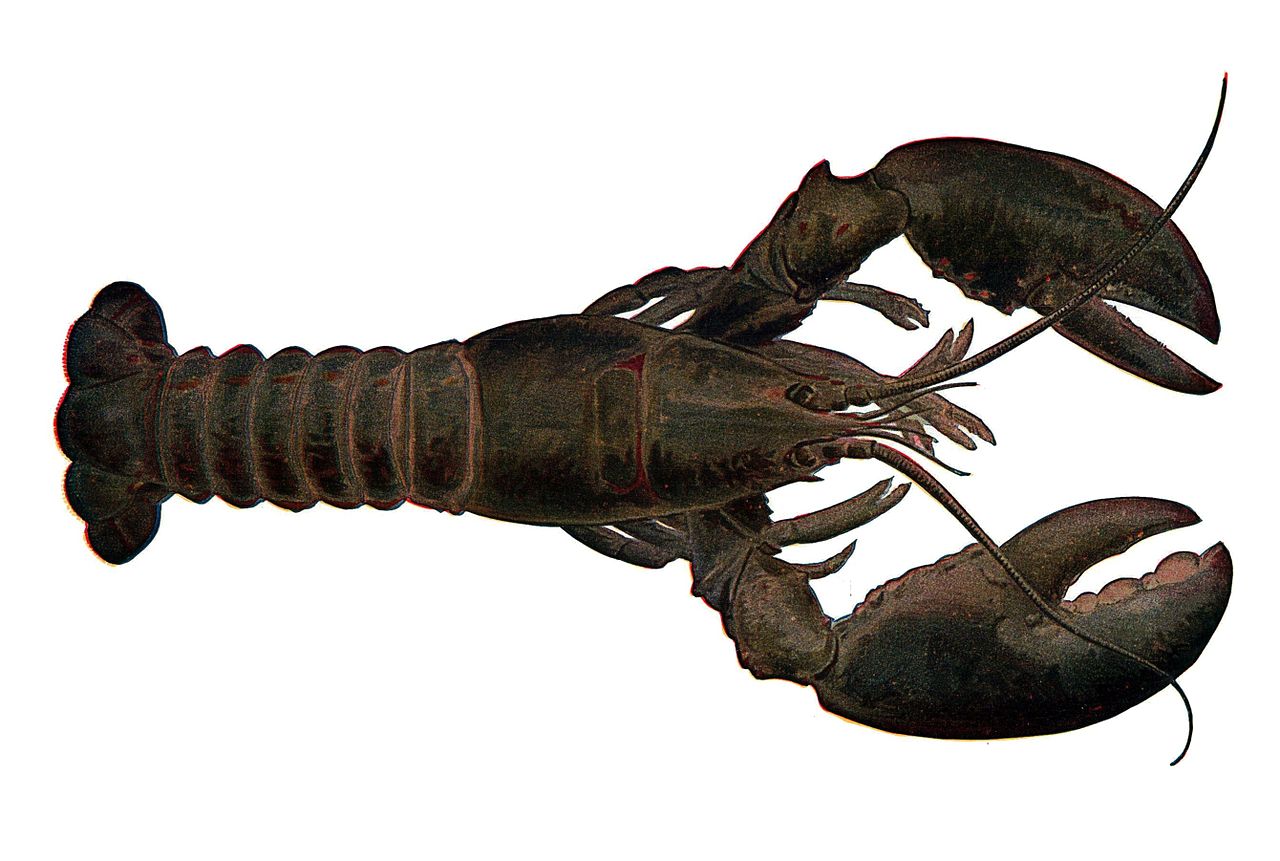
Typical crayfish have a hard exoskeleton, a pair of prominent front claws (chelae), a segmented body and a tail fan. They are generally omnivorous: feeding on plant material, decaying organic matter, invertebrates and occasionally small fish. Crayfish grow by molting their shell and females carry eggs and newly hatched young beneath their abdomen until the young are independent. Lifespans vary by species and environment, often ranging from a few years to longer in sheltered habitats.
Habitat, ecology and importance
As consumers and ecosystem engineers, crayfish influence nutrient cycling, sediment structure and food webs. They can shred leaf litter, stir sediments and serve as prey for fish, birds and mammals. Different species prefer flowing water, still water or burrowing niches; some tolerate degraded conditions while others require clean, oxygenated habitats.
Uses, threats and management
- Human use: Crayfish are harvested for food and recreation in many cultures and support local fisheries.
- Conservation issues: Habitat loss, pollution, non‑native introductions and disease have reduced populations of some species.
- Management: Monitoring, habitat protection and controls on translocation help limit harm from invasive crayfish and pathogens.
Because of their ecological roles and sensitivity to water quality, crayfish are both economically important and useful indicators of freshwater ecosystem health.
Related articles
Author
AlegsaOnline.com Crayfish: freshwater crustaceans, biology, diversity, and human uses Leandro Alegsa
URL: https://en.alegsaonline.com/art/24026
Sources
- doi.org : 10.5479/si.00810223.38.1
- hdl.handle.net : 10088/1372