
Alexander "Sasha" Shulgin
American chemist and pharmacologist renowned for synthesizing and bioassaying psychoactive compounds, author of PiHKAL and TiHKAL, and for introducing MDMA to psychotherapists.
Alexander Theodore "Sasha" Shulgin (June 17, 1925 – June 2, 2014) was an American chemist and psychopharmacologist best known for synthesizing, characterizing and personally testing hundreds of psychoactive compounds. Trained in chemistry and biochemistry, he combined laboratory practice with careful human bioassays and published influential books that document his work and methods.
Image gallery
4 Images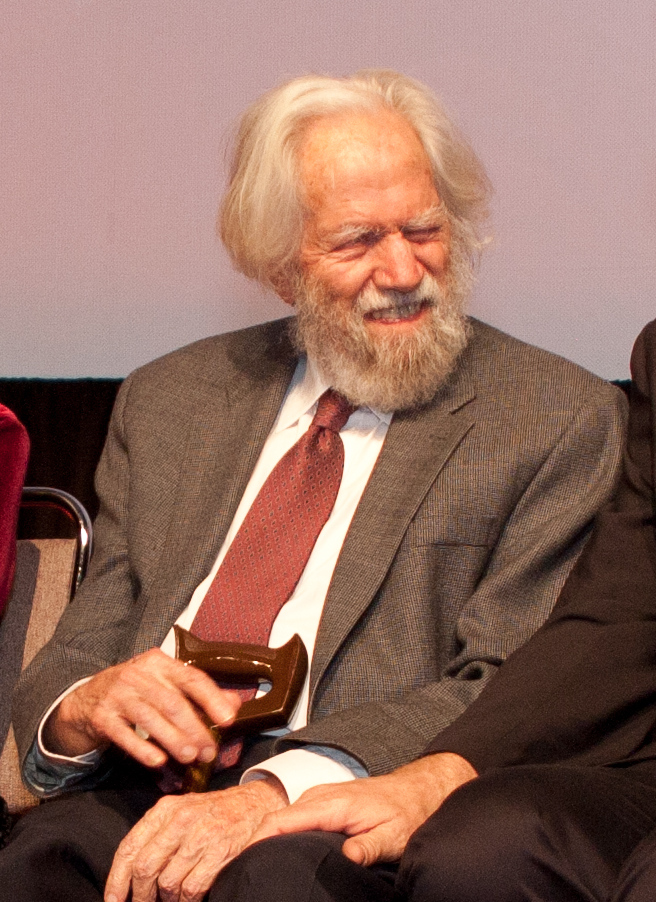


Contributions and methods
Shulgin worked at the interface of medicinal chemistry and pharmacology. He developed laboratory syntheses for novel phenethylamines and tryptamines and used small-scale self- and volunteer-testing to record qualitative effects, dosing, and time courses. That approach led to the informal Shulgin Rating Scale to describe subjective intensity. His practical guides and narratives emphasized careful chemistry, cautious exploration and the value of systematic observation.
Major works and compounds
- Medicinal chemistry and laboratory technique notes used across psychopharmacology research.
- Psychopharmacology descriptions and protocols for human bioassay.
- Biochemistry perspectives on structure–activity relationships of psychoactive molecules.
- Two widely read books coauthored with his wife Ann: PiHKAL (Phenethylamines I Have Known and Loved) and TiHKAL (Tryptamines I Have Known and Loved).
- He is credited with reintroducing MDMA to therapists and researchers in the late 1970s as an adjunct to psychotherapy.
Shulgin's catalog included many novel molecules that entered scientific, cultural and regulatory conversations about psychoactive drugs. He often described synthesis paths, subjective reports and safety observations so others could reproduce or study his findings.
Background and legacy
Born in Berkeley, California, of Russian ancestry, Shulgin combined academic training with industry experience and independent research on a farm where he maintained a modest laboratory. He and his wife Ann became central figures in discussions about the therapeutic and cultural roles of entactogens, psychedelics and related substances. His work influenced researchers, clinicians and recreational users while also attracting legal and ethical debate over drug policy and human testing practices.
Later life details often cited include family and health: his son Theodore predeceased him, and Shulgin died from liver cancer at his home in Lafayette, California, on June 2, 2014. His books, laboratory notes and analytical approach continue to be referenced by scientists and historians studying psychoactive chemistry and the social history of drugs. Further reading and archival materials are available in specialized collections and publications: biographical profiles, scientific reviews, and retrospective analyses at several institutional and archival sources (archive, obituary, interviews, bibliographies).
Related articles
Author
AlegsaOnline.com Alexander "Sasha" Shulgin Leandro Alegsa
URL: https://en.alegsaonline.com/art/2393
Sources
- boingboing.net : "Psychedelic hero Alexander Shulgin nearing death"
- gawker.com : "Sasha Shulgin, "Godfather of Ecstasy," Dead at 88"
- erowid.org : "Alexander Shulgin"