
MDMA (ecstasy, molly): effects, history, risks, and research
Comprehensive overview of MDMA (ecstasy, molly): its chemistry and effects, common forms and adulteration, health risks, legal status, and current medical research directions.
Overview
MDMA (3,4-methylenedioxymethamphetamine) is a synthetic psychoactive compound most commonly encountered as colorful tablets called "ecstasy" or as crystalline powder known as "molly." It is variously described as a stimulant and as an empathogen or psychedelic-like substance because it produces both increased energy and altered emotional and sensory experience. Recreational use is widespread in nightlife and festival settings, but purity and content vary greatly in illicit markets.
Image gallery
10 Images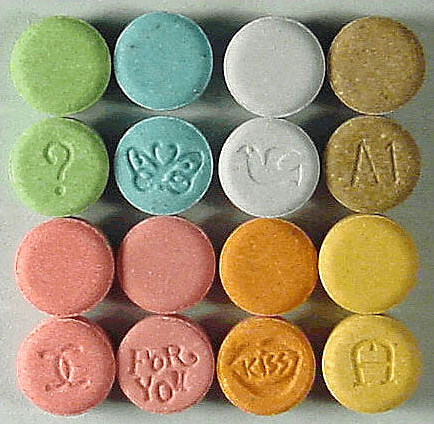

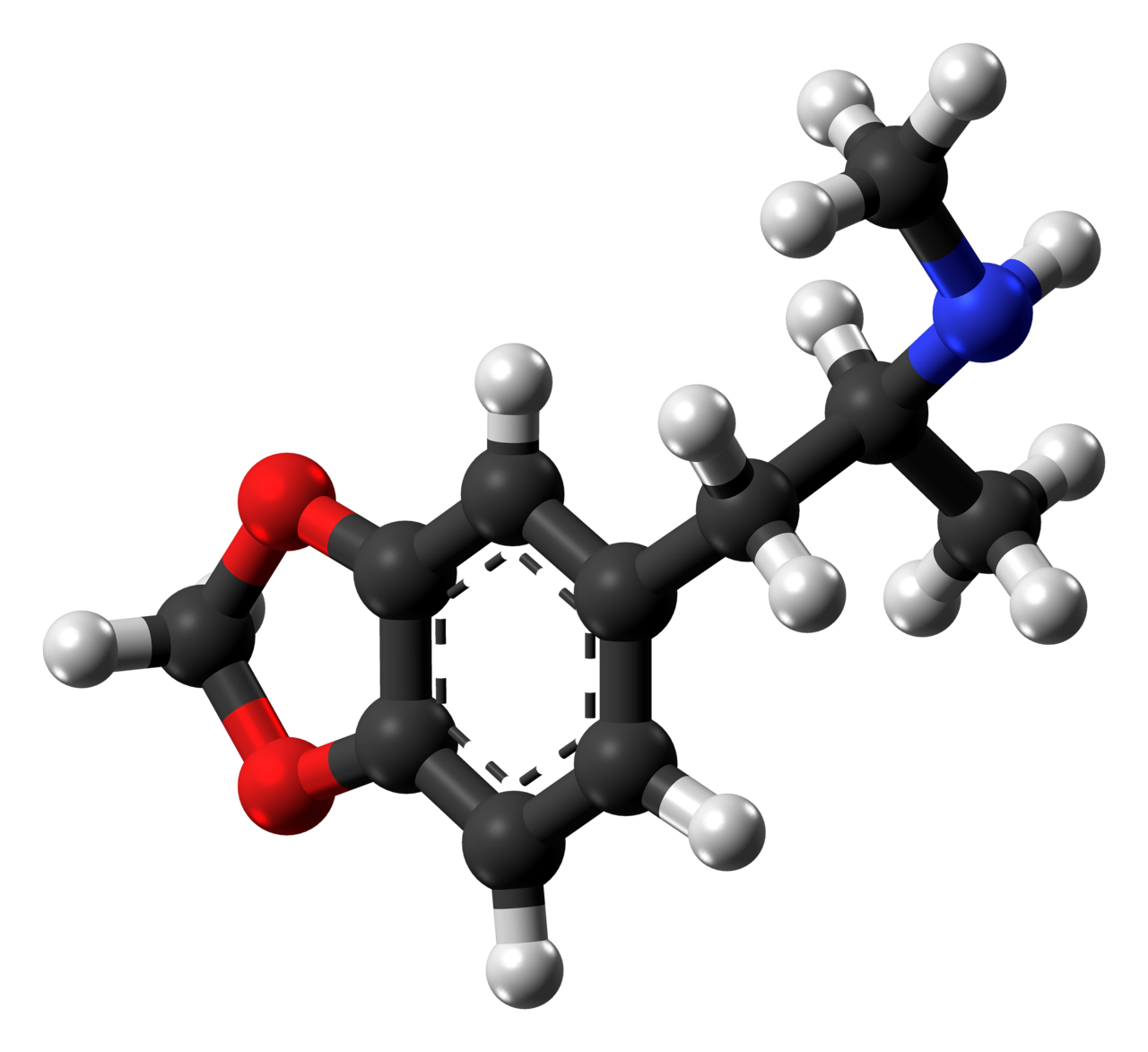


Pharmacology and acute effects
MDMA acts primarily by increasing the release and blocking the reuptake of several neurotransmitters, notably serotonin, and to a lesser extent dopamine and norepinephrine. This neurochemical action underlies common subjective effects such as enhanced mood, heightened sociability and empathy, increased sensory sensitivity, and a sense of well-being. Physical effects include increased heart rate and blood pressure, pupil dilation, jaw clenching, and changes in body temperature regulation.
Typical effects and complications
Short-term experiences can range from pleasurable to problematic. Common desired effects are:
- Euphoria and emotional openness; see euphoria.
- Increased sociability and reduced social anxiety.
- Sensory changes such as enhanced music perception.
Adverse effects and medical complications can include:
- Insomnia and disturbed sleep patterns; see insomnia.
- Nausea and gastrointestinal upset; see nausea.
- Rapid heartbeat and elevated blood pressure.
- Severe overheating (hyperthermia), dehydration, or water-electrolyte imbalances such as hyponatraemia.
- Risk of serotonin syndrome when combined with other serotonergic drugs.
- Psychological aftereffects including anxiety, low mood or a "comedown" linked to transient neurotransmitter depletion.
- Dependence or problematic use in some individuals; see addiction.
Forms, adulteration and potency
Illicit MDMA products are often adulterated with other stimulants, synthetic cathinones, or filler substances. Tablets marketed as ecstasy and powders sold as molly are rarely guaranteed pure MDMA. Market surveys have reported increases in average MDMA content in some regions over recent decades, and some pills with unusually high doses have been documented. Because of this variability, tablets and powders may pose unpredictable risks to users.
History and legal status
MDMA was first synthesized in the early 20th century and later drew attention for experimental therapeutic use in the 1970s and early 1980s. Recreational popularity grew in club and rave cultures, after which many countries moved to criminalize production, possession, and distribution. In numerous jurisdictions MDMA is classified as a controlled substance and illegal to possess or sell; penalties can include fines and prison terms. Some governments permit tightly regulated scientific research into its effects.
Research and therapeutic interest
Research in controlled clinical settings has explored whether MDMA-assisted psychotherapy can help people with treatment-resistant conditions, most notably post-traumatic stress disorder (PTSD). Trials use carefully controlled doses administered under professional supervision and combined with therapy. While preliminary results have been promising enough to prompt expanded study, MDMA is not widely approved as a licensed medical treatment in most countries. Regulatory agencies in some places have allowed limited, closely regulated research.
Distinctions and public health notes
MDMA differs from classic stimulants and classical psychedelics in its characteristic combination of stimulant, empathogenic and perceptual effects; for glossary or classification context, see stimulant and psychedelic. Public health guidance emphasizes the risks posed by unpredictable purity, high doses, unsafe environments (overcrowded, hot venues), and combining MDMA with alcohol or other drugs. Harm-reduction measures, where available, may include drug-checking services, hydration advice, and medical supervision at events.
Because policy and scientific understanding continue to evolve, readers interested in regulation, harm reduction, or clinical trials should consult up-to-date resources and specialists when making decisions about research participation or public health interventions.
Questions and answers
Q: What is MDMA?
A: MDMA (3,4-Methylenedioxymethamphetamine) is a psychoactive drug with stimulant and psychedelic effects that is primarily used as a recreational drug. It is commonly seen in tablet form (ecstasy) and crystal form (molly or mandy).
Q: What are the effects of taking MDMA?
A: Taking MDMA can cause feelings of euphoria (extreme happiness) and altered sensations. It can also lead to bad side effects such as insomnia, nausea, rapid heartbeat, and addiction. After coming down from the high it can result in severe depression due to an initial increase in neurotransmitters followed by a short-term drop in neurotransmitters.
Q: Is MDMA legal?
A: No, most countries have made it illegal to possess, make or sell MDMA which could result in criminal prosecution and a possible prison term. Some countries have made limited exceptions for research purposes only.
Q: Are there any medical uses for MDMA?
A: As of 2016[update], there are no accepted medical uses for MDMA although some initial studies have been conducted on whether it can help patients with severe PTSD (post-traumatic stress disorder) make progress in therapy if they take very low doses of the drug immediately before appointments under medical supervision.
Q: How common is the use of ecstasy among teens?
A: According to surveys taken in 2018 more than 4% of 12th graders reported using ecstasy at some point while 1.5% of 8th graders reported ever having used the drug.
Q: Are ecstasy tablets more potent now than they were previously?
A: Yes, many ecstasy tablets sold online on the “dark net” are more potent than ever before with average doses ranging between 125 mg up to 270-340 mg for "super pills".
Related articles
Author
AlegsaOnline.com MDMA (ecstasy, molly): effects, history, risks, and research Leandro Alegsa
URL: https://en.alegsaonline.com/art/29986
Sources
- nhtsa.gov : Methylenedioxymethamphetamine (MDMA, Ecstasy)
- drugs.com : "MDMA"
- drugabuse.gov : "DrugFacts: MDMA (Ecstasy/Molly)"
- books.google.com : Medical toxicology of drug abuse : synthesized chemicals and psychoactive plants
- ecstasy.org : "Where is Ecstasy legal?"
- erowid.org : "MDMA: Legal Status"
- thesundaytimes.co.uk : "Ecstasy is the key to treating PTSD"
- emcdda.europa.eu : "Methylenedioxymethamphetamine (MDMA or 'Ecstasy')"
- drugabuse.gov : "What does MDMA do to the brain?"
- ncbi.nlm.nih.gov : "The effect of 3,4-methylenedioxymethamphetamine (MDMA, "ecstasy") and its metabolites on neurohypophysial hormone release from the isolated rat hypothalamus"
- doi.org : 10.1038/sj.bjp.0704502
- thegooddrugsguide.com : "Ecstasy: Dangers"
- mayoclinic.org : "Hyponatremia"
- vivo.colostate.edu : "Antidiuretic Hormone (Vasopressin)"
- maps.org : "A Clinical Plan for MDMA (Ecstasy) in the Treatment of Post-Traumatic Stress Disorder (PTSD): Partnering with the FDA"