
Pharmacology: the science of drugs and their effects on living systems
Comprehensive overview of pharmacology: definitions, core principles (pharmacokinetics and pharmacodynamics), history, drug development, clinical applications, and distinctions from pharmacy and related professions.
Pharmacology is the scientific discipline that examines how chemical agents—commonly called drugs or medicines—interact with living organisms to produce therapeutic or harmful effects. It bridges basic biology and clinical medicine by explaining how substances modify cellular functions, organ systems, and whole-body responses. As an experimental and applied science, pharmacology addresses both the mechanisms of drug action and the practical use of medications to prevent, diagnose, and treat disease.
Image gallery
6 Images



Core concepts
Two foundational branches structure the field:
- Pharmacokinetics: the movement of drugs through the body, often summarized as absorption, distribution, metabolism, and excretion (ADME). Pharmacokinetics determines the concentration of a drug at its site of action over time and informs dosing intervals and routes of administration.
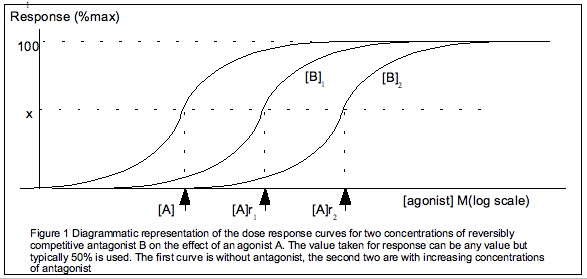
- Pharmacodynamics: how drugs exert their effects on cells and tissues, including interactions with receptors, enzymes, ion channels, and other molecular targets. Concepts such as agonists, antagonists, potency, and efficacy are central to pharmacodynamic analysis.
Other important ideas include the therapeutic index (a measure of safety margin), drug interactions (how one drug alters the effects of another), adverse effects and toxicity, and the growing role of pharmacogenomics, which studies how genetic variation influences drug response.
History and development
The practice of using natural substances to treat illness dates back millennia, but modern pharmacology emerged as an experimental science in the 18th and 19th centuries with the isolation of active compounds and systematic laboratory studies of their actions. Advances in chemistry, physiology, and microbiology enabled the identification of drug targets and the synthesis of new agents. In the 20th century, regulatory frameworks and clinical trial methods were established to assess safety and efficacy on a large scale, shaping contemporary pharmaceutical science and medicine.
Drug discovery and regulation
Developing a new medication typically follows several stages: initial discovery and lead optimization, preclinical testing in cells and animal models, clinical trials in human volunteers and patients, and regulatory review for approval. Each stage aims to establish a favorable balance between benefit and risk. Even after approval, many drugs are subject to post-marketing surveillance to detect rare or long-term adverse effects.
Applications and examples
Pharmacology underpins a wide array of medical therapies, including analgesics for pain relief, antimicrobial agents to treat infections, cardiovascular drugs to manage blood pressure and heart disease, chemotherapeutics for cancer, and psychotropic medications for mental health conditions. Research in pharmacology also contributes to vaccine development, biologic therapies, and the design of targeted molecules that interact selectively with disease-related pathways.
Distinctions, professions, and public importance
Pharmacology is distinct from but closely related to pharmacy. Pharmacology is primarily a research and academic discipline focused on mechanisms, discovery, and testing. Pharmacy is a health profession centered on preparing, dispensing, and counseling about medicines for patients. A pharmacist is a clinical practitioner who ensures safe medication use, while a pharmacologist typically conducts laboratory or clinical research into how drugs work. Educational programs for pharmacists include substantial pharmacology training, creating overlap between the fields.
Further reading
For introductory summaries and professional resources, see general overviews of pharmacology, practical information about pharmacy, and professional associations for pharmacists. These resources can help students, clinicians, and members of the public understand how medicines are studied, regulated, and used safely.
Questions and answers
Q: What is pharmacology?
A: Pharmacology is the study of how medicine and other things have an effect on living organisms and change how they function.
Q: How could pharmacology be defined?
A: Pharmacology could also be defined as the study of how medicine actually works.
Q: How is pharmacology different from pharmacy?
A: Pharmacology is not exactly the same as pharmacy.
Q: What is a pharmacologist?
A: A pharmacologist is a scientist who studies how medicine actually works and usually works in a science lab.
Q: What is a pharmacist?
A: A pharmacist is a health care provider who usually works at a pharmacy.
Q: Is there overlap between pharmacology and pharmacy?
A: Yes, there is quite a bit of overlap between these two fields.
Q: Could a pharmacist be considered a type of pharmacologist?
A: Yes, a pharmacist could be considered a type of pharmacologist. While in school, pharmacists do take many classes in pharmacology.
Related articles
Author
AlegsaOnline.com Pharmacology: the science of drugs and their effects on living systems Leandro Alegsa
URL: https://en.alegsaonline.com/art/76345