
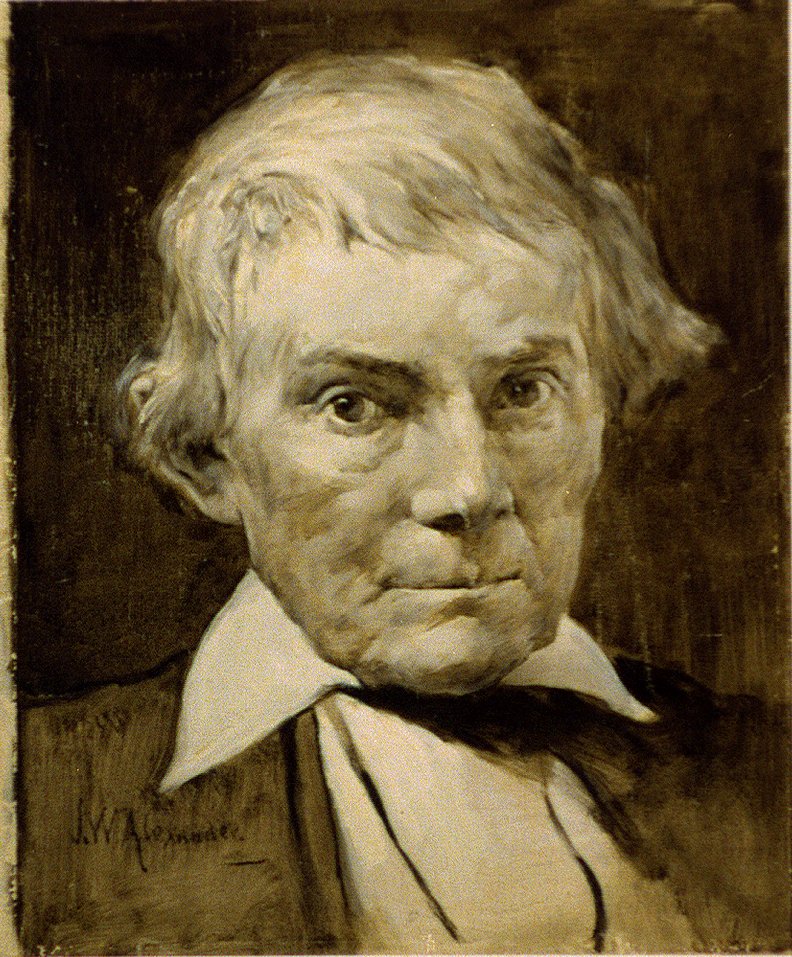
Alexander H. Stephens (1812–1883) — American politician and Confederate vice president
Georgia-born lawyer and politician Alexander H. Stephens served in the U.S. House, was vice president of the Confederate States, delivered the 'Cornerstone Speech', and returned to public office after the Civil War.
Overview
Alexander Hamilton Stephens was an American lawyer and politician from Georgia who played a prominent and controversial role in mid-19th century United States history. He represented Georgia in the U.S. House of Representatives for many years, became vice president of the Confederate States of America (CSA) during the Civil War, and later resumed public life after the Confederacy's defeat. Stephens is widely remembered both for his political career and for his outspoken defense of slavery and white supremacy during the founding of the Confederacy.
Image gallery
10 Images






Early life and political rise
Born in 1812, Stephens trained as a lawyer and rose through Georgia politics in the 1830s and 1840s. He served multiple terms in the U.S. House beginning in 1843, initially as a member of the Whig Party and later aligning with other parties as national politics realigned. Stephens became known for his oratorical skill and legal knowledge. During the 1850s he was associated with the Constitutional Union Party as sectional tensions over slavery intensified. His long congressional tenure made him a familiar figure in Washington before the crisis that led to secession.
Vice presidency of the Confederacy
When Southern states seceded in 1861 and formed the Confederate States of America, Stephens was chosen as the vice president of the new government. In that role he served as a principal constitutional and political voice for the Confederacy, but he frequently disagreed with Confederate President Jefferson Davis and with military and civilian leaders over policy and strategy. During the Confederacy's brief existence Stephens gave a widely noted speech in 1861 explaining the ideological foundations of the new government; the address made clear his belief that slavery and white racial dominance were central to the Confederate system and provoked lasting controversy.
Positions, conflicts, and efforts near the war's end
Stephens's relationship with the Confederate executive was strained at times by differing views on civil liberties, civilian control, and wartime measures. Near the end of the conflict he engaged in political efforts aimed at seeking terms to restore peace, a posture that reflected both his concern for the devastated Southern population and his distance from some wartime policies. Those efforts and his public statements made him a polarizing figure in both the North and South.
Postwar career and legacy
After the Confederacy's collapse Stephens was detained for a period but was eventually released and returned to Georgia public life. He was elected again to the U.S. House of Representatives during the period of Reconstruction and served several terms. Late in life he won election as governor of Georgia and took office shortly before his death in 1883. Stephens also wrote a multi-volume account of his constitutional views and of the Civil War era, works that have been used by historians to understand Confederate political thought.
Notable facts and controversies
- Stephens owned enslaved people and publicly defended slavery as a social and economic institution, a stance that informed his politics and speeches.
- His 1861 address—often called the "Cornerstone Speech" by historians—explicitly framed slavery and racial inequality as foundational to the Confederate government and remains a central source for assessing Confederate ideology.
- He began his national career as a Whig (Whig Party), later associated with the Constitutional Union movement (Constitutional Union Party) and eventually aligned with the Democratic Party in the postwar era.
- In the Confederacy he sought avenues to end the conflict and negotiate terms (peace efforts), and he had frequent policy clashes with President Jefferson Davis.
Modern assessments of Stephens emphasize both his influence in 19th-century American politics and the moral and political consequences of his defense of slavery. His speeches and writings are primary sources for the study of Confederate government and ideology, and his life illustrates the turbulent transitions of the United States before, during, and after the Civil War.
Related articles
Author
AlegsaOnline.com Alexander H. Stephens (1812–1883) — American politician and Confederate vice president Leandro Alegsa
URL: https://en.alegsaonline.com/art/2394