
Joint cracking: causes, common sites, and health considerations
Joint cracking (popping) are audible noises produced when a joint is moved. This article explains mechanisms, common locations, health implications, and guidance on when to seek care.
Overview
Cracking joints describes the audible popping or snapping noises that sometimes occur when a joint is moved. Many people intentionally produce these sounds through knuckle cracking or notice them during ordinary activity. The noise itself is often harmless but can be surprising; when it is accompanied by pain, swelling or loss of function it may indicate an underlying problem.
Image gallery
2 Images
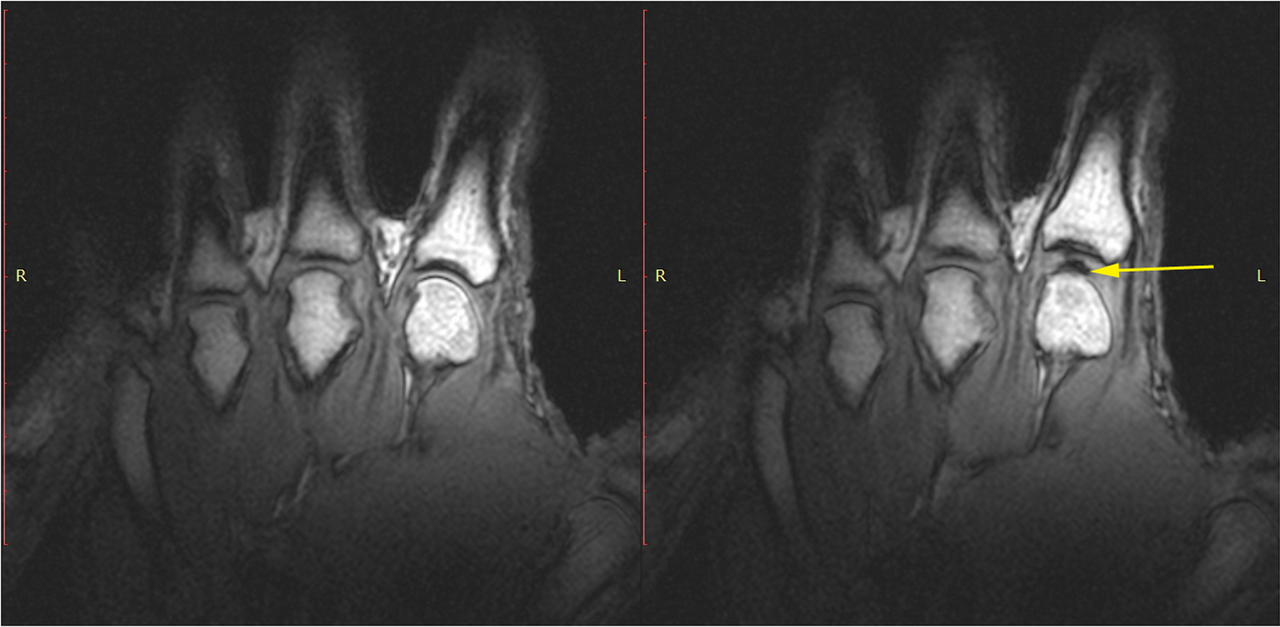
How the sound is produced
Most modern explanations point to a physical change inside the joint. Rapid movement of a joint can suddenly change pressure in the joint space and alter the dissolved gases in the surrounding fluid. This process — commonly called cavitation — produces a bubble that either forms or collapses and produces a sharp sound. The fluid and membranes involved are examples of synovial fluid and the joint capsule. In some cases, audible noises come from tendons or ligaments moving over bone rather than from cavitation.
Common sites and typical examples
- Fingers — the most familiar site, where deliberate pulling or bending is common.
- Knees and ankles — often audible during exercise, squatting or climbing stairs.
- Wrists, elbows and toes — can crack when stretched or subjected to unusual positions.
Health implications and evidence
Large-scale evidence does not support a clear link between ordinary joint cracking and long-term joint disease such as osteoarthritis, especially for casual knuckle cracking. Habitual or forceful manipulation, however, may irritate soft tissues or reduce grip strength in some cases. Persistent pain, recurring swelling, instability, or mechanical locking are signs that warrant medical evaluation.
Practical advice
- Avoid forcing a joint beyond comfortable limits; gentle motion is safer than violent twisting.
- If the sound is painless, reassurance is reasonable; if it is painful, seek assessment.
- Manage joint noise associated with activity by improving warm-up, flexibility and technique; consider a clinician evaluation for persistent symptoms.
For more technical descriptions and demonstrations of joint mechanics, see resources on joint movement and physiology at popping or cracking sounds and general musculoskeletal references like finger mechanics and motion overviews at wrist and elbow pages. For clinical guidance about specific problems, consult a healthcare provider or authoritative medical sources such as movement and joint care pages or specialty resources linked at ankle, knee and toe educational materials.
If you want to read more on the fluid dynamics and imaging evidence behind cavitation in joints, see summaries available on synovial fluid studies and imaging reports linked at synovial fluid discussions.
Author
AlegsaOnline.com Joint cracking: causes, common sites, and health considerations Leandro Alegsa
URL: https://en.alegsaonline.com/art/23916