
Wrist: structure, function, common conditions and care
Overview of the wrist joint connecting forearm and hand, its anatomy, movements, common injuries and treatments, and clinical and evolutionary importance.
The wrist is the joint complex that links the lower arm to the hand and enables a wide range of precise movements. It combines several bones, ligaments, tendons and nerves to provide stability and flexibility for gripping, manipulating objects and transmitting force from the forearm to the hand. For a basic reference see the wrist.
Image gallery
10 Images


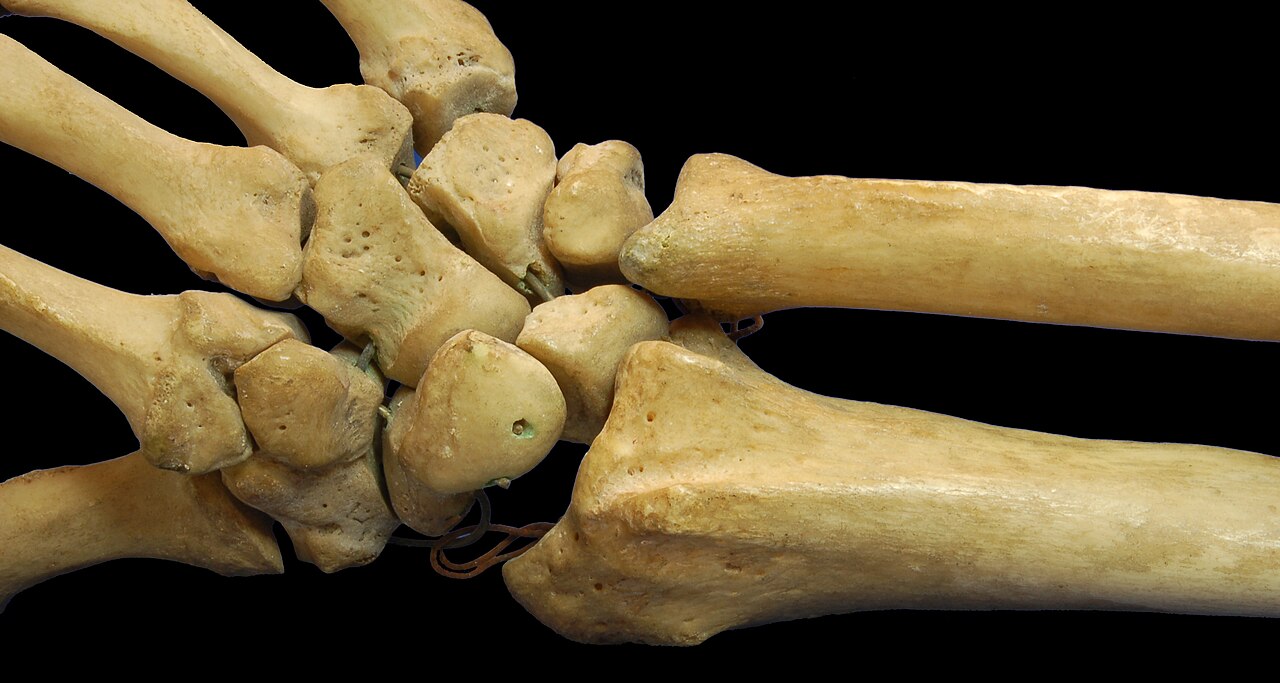


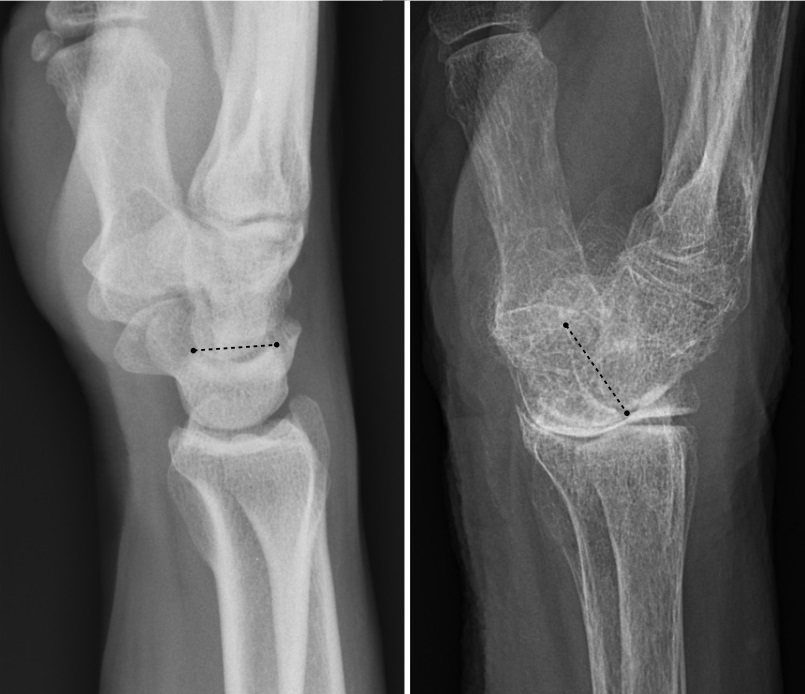
Anatomy and components
The bony framework includes the distal ends of the radius and ulna and a row of small carpal bones. These carpals are commonly described in a proximal and distal row and articulate with each other to form several joint surfaces. Major soft-tissue elements include collateral and intercarpal ligaments, flexor and extensor tendons that pass across the joint, and neurovascular structures such as branches of the radial, ulnar and median nerves and arteries.
Movements and function
The wrist permits flexion and extension, radial and ulnar deviation (side-to-side movement) and combined circumduction. Its mobility contributes to hand positioning and power transfer during tasks from fine manipulation to heavy lifting. Stability is balanced between ligamentous restraint and dynamic control from forearm muscles.
Clinical relevance
- Common injuries: wrist sprains, fractures (for example of the distal radius or scaphoid), and tendon injuries.
- Compression syndromes: carpal tunnel syndrome affecting the median nerve is frequent.
- Degenerative and inflammatory conditions: osteoarthritis and rheumatoid arthritis can involve wrist joints.
Diagnosis and treatment
Assessment relies on history, physical exam and imaging such as X-ray, CT or MRI when needed. Initial treatment often uses immobilization, activity modification, physiotherapy and pain control. Persistent or unstable problems may require surgical repair, fracture fixation, decompression or reconstruction.
Evolutionarily, the wrist is central to primate hand function and human tool use because it allows the precise orientation and force control necessary for complex manual tasks.
Related articles
Author
AlegsaOnline.com Wrist: structure, function, common conditions and care Leandro Alegsa
URL: https://en.alegsaonline.com/art/109231