
Alexander Pope
Alexander Pope (1688–1744) was a leading English poet of the early 18th century, celebrated for satirical verse, polished heroic couplets, and influential translations of Homer’s epics.
Alexander Pope (21 May 1688 – 30 May 1744) was a central figure of English letters in the first half of the eighteenth century. He is widely remembered for his sharp satirical voice, fastidious craftsmanship in the heroic couplet, and for making classical literature accessible to English readers through translations. He remains one of the most frequently cited English writers of his period: in many quotation collections he ranks immediately after leading figures such as Shakespeare.
Image gallery
7 Images


Style and themes
Pope’s verse is marked by clarity, balance, and epigrammatic wit. He chose compressed, tightly metered lines that emphasized antithesis and aphorism. He wrote on moral and literary subjects, using satire to critique manners, pretension, and what he saw as intellectual decline. His work combines classical learning with contemporary social commentary, and his mastery of form made brief lines memorable and quotable.
Major works
- Essay on Criticism – a didactic poem on literary principles and taste.
- The Rape of the Lock – a mock-epic satirizing aristocratic vanities.
- Essay on Man – philosophical verse exploring human nature and the universe.
- The Dunciad – a scathing satire aimed at literary incompetence and cultural decline.
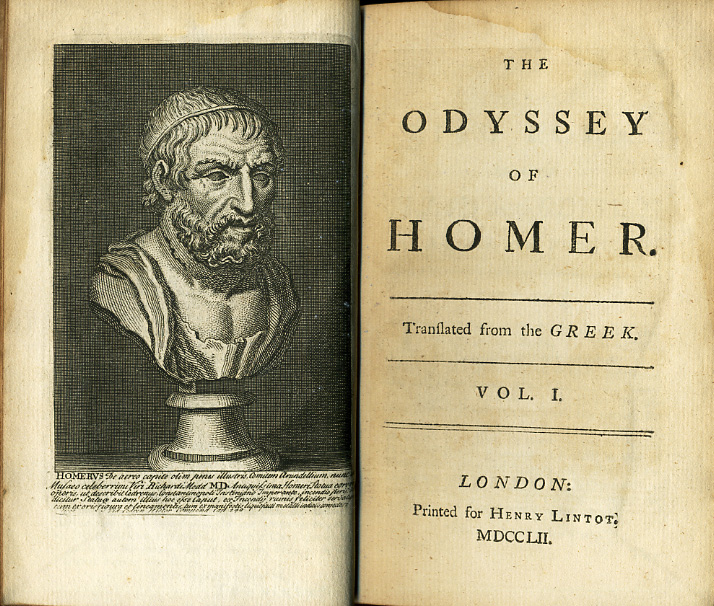
- Translations of Homer – rendered the Iliad and the Odyssey into polished English couplets, widely read in his day.
Life and context
Pope was born into a Roman Catholic family at a time when Catholics in Britain faced legal and social restrictions. He suffered from lifelong health problems that affected his growth and mobility, which influenced his social life and his work habits. He built a reputation through both original poems and editorial projects, moving in a lively network of writers, patrons, and critics. His Twickenham villa, with its gardens and grotto, became a literary landmark and a place where he entertained fellow writers and admirers.
Reception and legacy
Pope’s influence extended across poetry, translation, and literary criticism. He helped define neoclassical taste in Britain and shaped how readers valued wit, form, and moral purpose in literature. His translations brought Homer into broad English readership and his memorable lines entered common usage; he is often listed among the most-quoted English authors in standard reference works (quotations). Scholarly opinion has varied over time, but he remains essential to studies of eighteenth-century literature and of English poetic technique.
For further reading on his life and works see biographies and annotated editions, and consult reliable editions or resources such as biographical entries and studies of his era’s literary culture (on Pope as an English poet).
Related articles
Author
AlegsaOnline.com Alexander Pope Leandro Alegsa
URL: https://en.alegsaonline.com/art/2382