
Alexander Pushkin: life, works, and legacy of Russia’s foundational poet
Concise overview of Alexander Pushkin (1799–1837): his biography, major works, stylistic innovations, historical context, and enduring influence on Russian language, literature and the arts.
Overview
Alexander Sergeyevich Pushkin (born 6 June 1799, Moscow) is widely regarded as the founding figure of modern Russian literature. In a brief life that ended in 1837, he produced poetry, a verse novel, short fiction, drama and prose that transformed the expressive capacities of the Russian language and set standards for later writers. Pushkin combined formal skill, narrative invention and a new, colloquial literary diction that made his work accessible while retaining poetic depth.
Image gallery
10 Images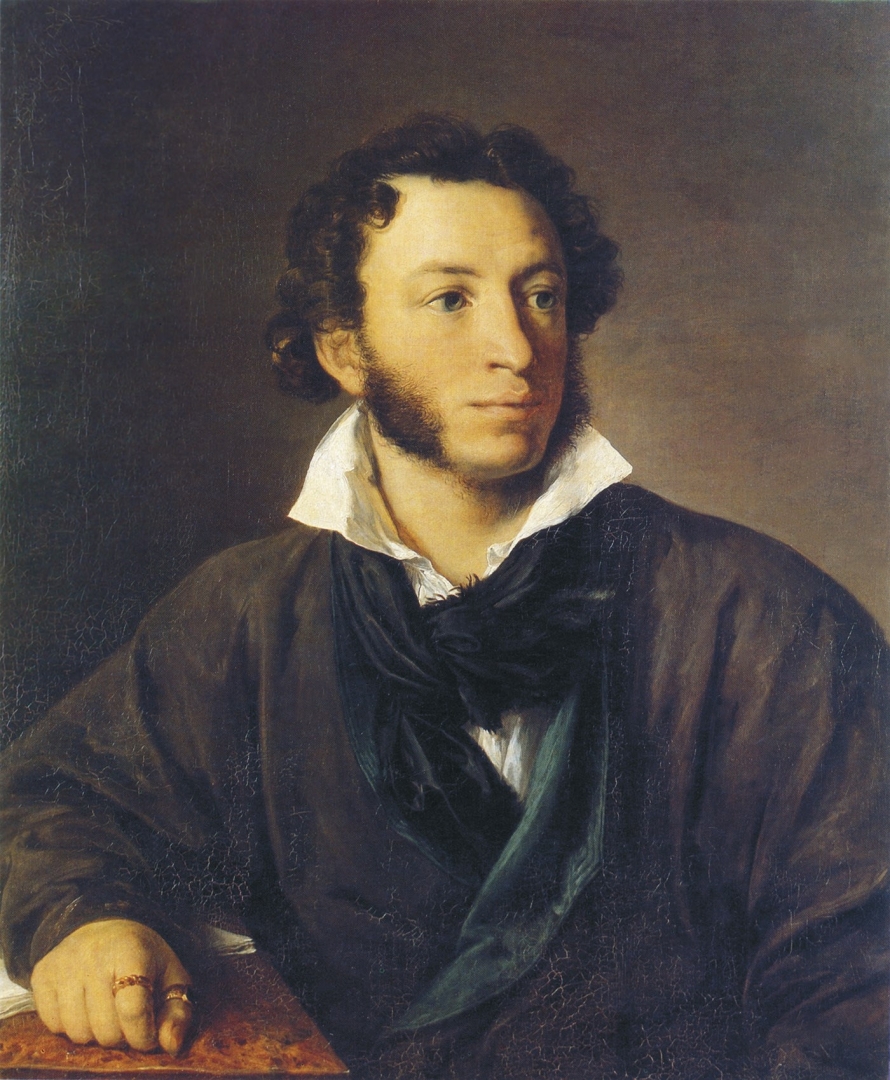


Early life and education
Pushkin was born into a noble family with a notable mixed heritage. His maternal great-grandfather, Abram Gannibal, an African who became a military engineer and nobleman in Russia, has been the subject of biographical interest and literary reflection. Pushkin received a classical education at the Imperial Lyceum at Tsarskoye Selo, where he began to publish poems and built friendships with contemporaries who later shaped Russian cultural life.
Political context and exile
Pushkin lived in a politically charged era. Early in his career he was identified with liberal and sometimes socially critical verses that alarmed authorities, and he spent periods under official surveillance and brief internal exile. These experiences influenced his themes: the role of the individual against social constraints, the ambiguities of honor and the limits of freedom under autocratic rule.
Major works
Pushkin worked across genres. The verse novel Eugene Onegin is his most famous long poem: a narrative in verse that combines psychological portraiture, social satire and lyrical reflection. Other important works include the narrative poems "Ruslan and Ludmila" and "The Bronze Horseman," the novella "The Queen of Spades," and the drama "Boris Godunov." Many shorter lyrics and narrative poems are central to the Russian poetic canon.
Style and language
One of Pushkin’s most enduring contributions was his modernization of literary language. He favored vocabulary and idioms closer to spoken Russian over the elevated ecclesiastical or overly Frenchified styles then common among educated circles. His verse uses clear syntax, varied meter and ironic nuance; his prose balances clarity with rhetorical force. These innovations made Russian literature more flexible and expressive for subsequent generations.
Themes and motifs
Recurring themes in Pushkin’s work include love and honor, fate and chance, social convention and personal freedom, historical memory and civic life. He wrote fairy-tale poems, historical narratives, psychological tales and political drama, often blending realism with elements of folklore and the uncanny. His characters are frequently drawn with psychological subtlety that anticipates the great Russian novelists of the later nineteenth century.
Later life and death
Pushkin married Natalia Goncharova in 1831. His marriage and public life occasionally produced scandals and quarrels over honor. In January 1837 he was mortally wounded in a duel and died two days later in St Petersburg at age 37. His death deprived Russian letters of a central creative force, and the duel has been the subject of much biographical and cultural discussion.
Influence and adaptations
Pushkin’s influence on Russian literature is vast: he is often credited with establishing a modern national idiom and with offering models of narrative and poetic form that later novelists, dramatists and poets adopted and transformed. Composers, dramatists and filmmakers have frequently turned to his stories and verse for libretti, operas, ballets and screen adaptations; his texts continue to inspire new interpretations in music and the performing arts.
Translation and reception
Translating Pushkin presents notable challenges. His verses often rely on linguistic tone, cultural allusion and metrical play that are difficult to reproduce in other languages without loss. Yet translations and bilingual editions have introduced his work to global readers, and critical scholarship has long debated how best to render his poetic voice while preserving formal and semantic complexity.
Legacy and commemoration
Pushkin remains central to Russian cultural memory. He is taught in schools, celebrated in public monuments and commemorated in festivals and centennial publications. His position as a national classic does not preclude ongoing scholarly reassessment of his politics, biography and literary technique; he is both a subject of reverence and of critical inquiry.
Selected works
- Eugene Onegin — novel in verse.
- "Ruslan and Ludmila" — narrative fairy-tale poem.
- "The Bronze Horseman" — narrative poem about St Petersburg and personal loss.
- "The Queen of Spades" — short prose tale blending suspense and character study.
- "Boris Godunov" — historical drama exploring power and legitimacy.
For further study and reliable reference, consult authoritative biographies, annotated editions and scholarly studies. The following pointers provide entry points to key topics and resources: Old Style date, Moscow, Russian context, poetry, novels, drama, prose, short fiction, literary tradition, language, influence, composers, musical adaptations, translation issues, Eugene Onegin, Abram Gannibal, Peter the Great, duel.
Pushkin’s blend of formal mastery, narrative invention and linguistic modernization secured his lasting place in world literature. His works continue to be read, performed and reassessed, and they remain essential for understanding the development of Russian literary culture in the nineteenth century and beyond.
Questions and answers
Q: When and where was Alexander Pushkin born?
A: Alexander Pushkin was born on 6 June (26 May, Old Style) 1799, in Moscow.
Q: What kind of writer was Alexander Pushkin?
A: Alexander Pushkin was a Russian poet, novelist, dramatist, and writer of short stories.
Q: What is Pushkin's contribution to Russian literature?
A: Pushkin started the great tradition of Russian literature by writing in a way that no other Russian had done before, using the Russian language as it was spoken instead of writing in a style based on old church books.
Q: How did Pushkin influence other Russian writers?
A: Pushkin's influence on other Russian writers was enormous, and several Russian composers set his stories and poems to music.
Q: Why is Pushkin's poetry hard to translate into other languages?
A: Pushkin's poetry is hard to translate well into other languages because the words are full of special meanings in Russian culture.
Q: What is Eugene Onegin?
A: Eugene Onegin is a novel written by Alexander Pushkin that is widely read.
Q: What is Pushkin's cultural background?
A: Pushkin's great-grandfather was an African slave who was set free by Tzar Peter the Great.
Related articles
Author
AlegsaOnline.com Alexander Pushkin: life, works, and legacy of Russia’s foundational poet Leandro Alegsa
URL: https://en.alegsaonline.com/art/2384