
County Limerick (Contae Luimnigh)
County Limerick, in the province of Munster in western Ireland, is centered on the city of Limerick and known for the River Shannon, medieval sites, agricultural lands and a mixed urban–rural economy.
Overview
County Limerick (Irish: Contae Luimnigh) is a county in Ireland situated in the province of Munster. The county takes its name from its principal urban centre, Limerick city, which sits on the River Shannon and acts as the main commercial and cultural hub. At the 2011 census the population of the county was recorded as 191,809; the area combines a substantial urban population with extensive rural countryside.
Image gallery
8 Images




Geography and landscape
County Limerick stretches from the Shannon estuary inland to rolling farmland, with a mixture of low hills and river valleys. The Shannon and its estuary are major physical features, influencing ports, trade and local ecology. The county contains productive agricultural land used largely for dairy and cattle farming, along with patches of forestry and upland grazing.
History and heritage
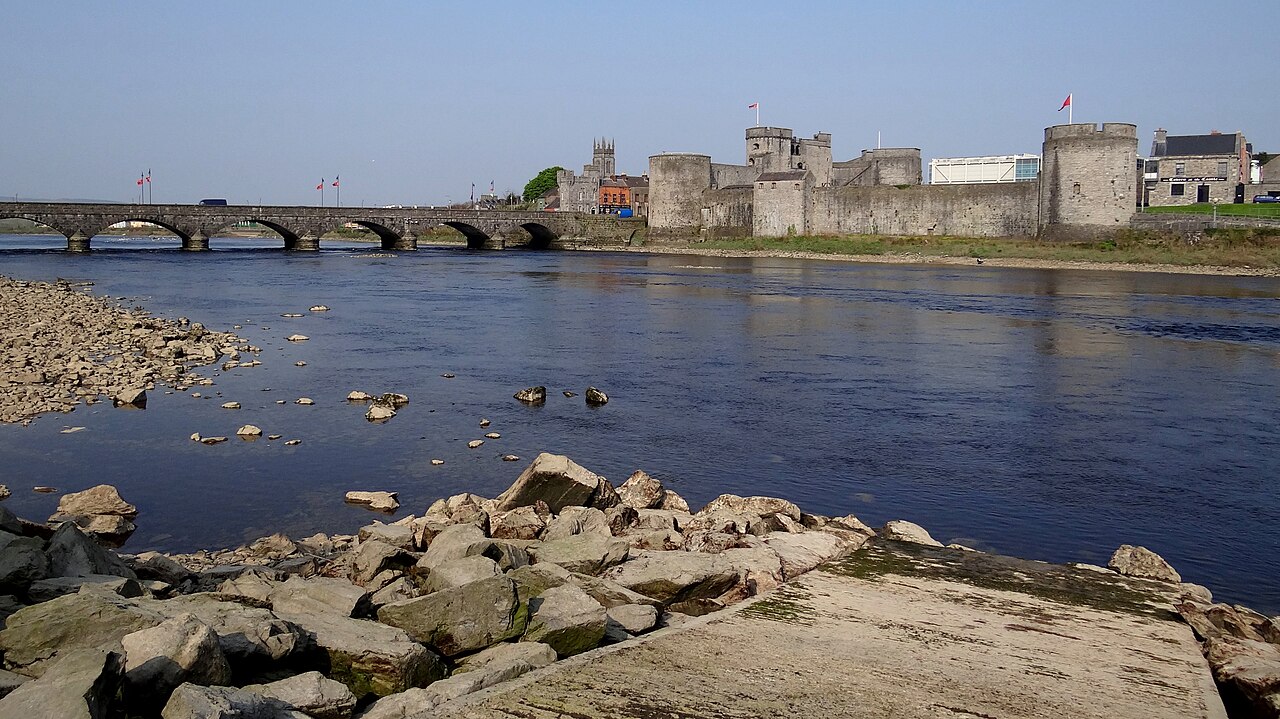
Limerick has a long recorded history dating from medieval times: the city developed as a Viking and later Norman settlement and several medieval fortifications remain, including King John’s Castle. The Treaty of Limerick (1691) is a notable historical event associated with the county and is commemorated locally. Archaeological remains and historic towns reflect centuries of settlement and changing political control.
Economy, transport and culture
Economic activity in the county is diverse. Agriculture and food-processing are important in rural areas, while the city supports manufacturing, services and education. Transport links include road and rail connections to other Irish cities and sea access via the estuary. Cultural life features museums, music and sporting traditions; the county is strongly associated with rugby, with Thomond Park in Limerick city being a prominent venue.
Towns, landmarks and administration
Outside the city, market towns and villages serve as local centres. Notable sites include medieval churches, castles and town walls. Local government is administered by Limerick City and County Council, a combined authority that oversees planning, services and regional development. The county combines urban regeneration projects with initiatives to support rural communities.
Notable facts
- The River Shannon and its estuary shape much of the county’s economy and landscape.
- Historic attractions such as King John’s Castle and the Treaty Stone attract visitors.
- The area balances agricultural production with urban industry and cultural institutions.
For readers seeking more detail about administration, heritage sites or visitor information, local and national resources provide maps, census data and guidance on cultural events and outdoor activities.
Related articles
Author
AlegsaOnline.com County Limerick (Contae Luimnigh) Leandro Alegsa
URL: https://en.alegsaonline.com/art/23531