
County Wicklow: The Garden of Ireland — geography, towns, history and highlights
County Wicklow is an eastern Irish county south of Dublin, famed for the Wicklow Mountains, coastal towns and monastic sites. This article outlines its landscape, settlements, history, economy and key attractions.

County Wicklow (Irish: Contae Chill Mhantáin) lies on the east coast of Ireland, immediately to the south of Dublin. It covers an area often given as 2,024 km² and is popularly called the "Garden of Ireland" on account of its varied scenery. The county combines upland moor, blanket bog, and a rocky coastline with lowland agricultural valleys.
Image gallery
10 Images

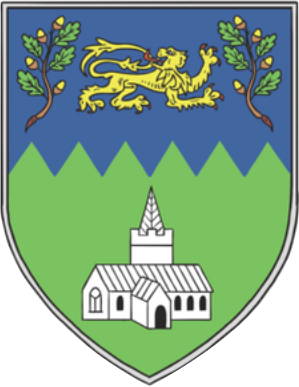


Geography and landscape
The central feature of Wicklow is the Wicklow Mountains, a granite and schist range that forms much of the county's interior. The highest summits and glaciated valleys are important for hillwalking, biodiversity and water catchments. Much of the upland area is protected as the Wicklow Mountains National Park, while fertile coastal plains support farming and settlement. Rivers and lakes, including several scenic glacial valleys, shape both landscape and local land use.
Towns, transport and settlement
The county town is Wicklow, but the largest municipality is Bray, which has a population often cited as 30,951 and is widely regarded as not a suburb of Dublin. Other principal towns include Greystones and Arklow. Coastal towns benefit from rail and road links into the Dublin area; suburban and commuter pressures have shaped housing and services in the north of the county while the south remains more rural.
Settlement patterns reflect a mix of seaside villages, market towns and scattered rural holdings. Infrastructure for tourism — trails, visitor centres and historic sites — complements local agriculture and small-scale industry.
History, culture and landmarks
Wicklow's human history spans prehistoric monuments, early Christian monasteries and medieval remains. Glendalough, a monastic settlement founded in the early medieval period, is among the best-known cultural sites and attracts visitors interested in ecclesiastical archaeology and landscape history. Later periods left traces in fortified houses, estate gardens and the road and rail networks that opened the county to development.
Today Wicklow is notable for outdoor recreation (hiking, cycling, climbing), garden tourism and cultural events. Film and television productions have used the county's dramatic scenery, and local festivals celebrate music, heritage and food. Conservation of upland habitats and the management of water resources are ongoing priorities.
Key attractions and notable facts
- Wicklow Mountains and National Park — upland scenery and walking routes.
- Glendalough monastic site — lakeside ruins and visitor facilities.
- Coastal towns such as Bray and Greystones — seaside promenades and transport links.
- Gardens and estates — reflecting the county's nickname, with public and private gardens open to visitors.
Wicklow's combination of mountain, valley and coast makes it an accessible destination for day trips from Dublin as well as a county with a distinct identity shaped by landscape, history and a mix of urban and rural life. For further local information and visitor guidance see official and regional resources linked from this article.
Related articles
Author
AlegsaOnline.com County Wicklow: The Garden of Ireland — geography, towns, history and highlights Leandro Alegsa
URL: https://en.alegsaonline.com/art/23552