
Munster — province in the south of Ireland
Munster is Ireland's southern province of six counties, home to Cork, rugged coasts, mountains, Gaelic culture and major attractions like the Ring of Kerry and the Cliffs of Moher.

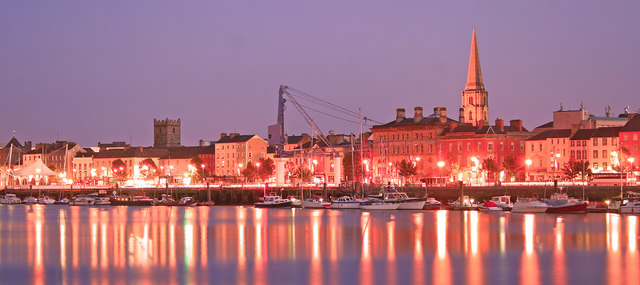
Munster (Irish: an Mhumhain / Cúige Mumhan) is one of the four traditional provinces of Ireland. Located in the southern and south‑western part of the island, it is a region defined more by history and culture than by modern administration — counties are the principal contemporary units. The largest city in Munster is Cork, which is also Ireland's second‑largest city.
Image gallery
6 Images


Geography and major features
Munster includes a varied landscape of coastal peninsulas, fertile plains and mountain ranges. The province contains Ireland's highest peak, Carrauntoohil, in the MacGillycuddy's Reeks, and the lower reaches or estuary of the River Shannon form much of its northern edge. Munster's coastline includes cliffs, bays and islands that have shaped local economies and culture.
- Counties: Cork, Kerry, Limerick, Clare, Tipperary and Waterford.
- Notable rivers: Shannon (lower reaches), Lee, Suir, Blackwater.

History
As a political and cultural unit Munster traces back to early medieval kingdoms and dynasties such as the Eóganachta and later the Dál gCais, whose most famous member was Brian Boru, a High King associated with Munster. Many medieval sites and castles across the province testify to a long and complex past, with strong Norse, Norman and Gaelic influences.
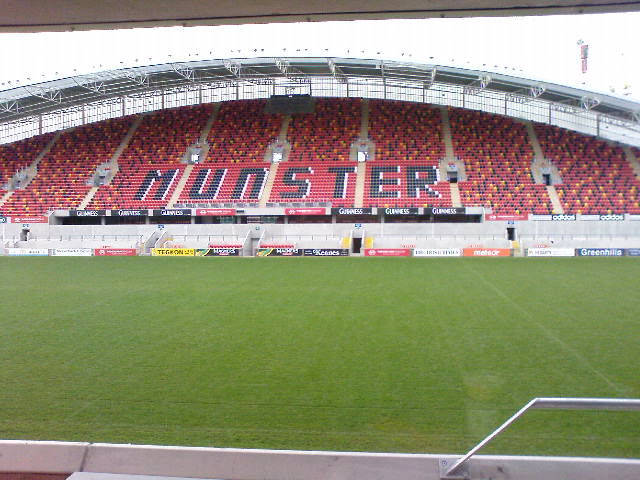
Today Munster retains a distinct identity. Irish (Gaeilge) survives in several Gaeltacht areas, particularly along the western seaboard, and Munster Irish and Munster English have recognisable dialect features. The province is prominent in sport and culture: provincial competitions in Gaelic games and the Munster rugby team draw wide support.
Economy, tourism and notable sights
Munster's economy combines agriculture, fishing, manufacturing and services. Tourism is important: well‑known attractions include the Ring of Kerry, Killarney National Park, the Cliffs of Moher on the Clare coast, Blarney Castle near Cork, and the Rock of Cashel in Tipperary. Though Munster has no separate government, the provincial name remains central to regional identity and is frequently used in cultural, sporting and historical contexts. For a broader national context see province of Ireland.
Related articles
Author
AlegsaOnline.com Munster — province in the south of Ireland Leandro Alegsa
URL: https://en.alegsaonline.com/art/67577