
County Tyrone
County Tyrone is a historic county in Northern Ireland, noted for its varied landscape, Gaelic heritage, and role as the largest county by area in Northern Ireland.
Overview
County Tyrone is one of the traditional counties of Ireland and one of the six counties that make up Northern Ireland. It lies in the historic province of Ulster and occupies a large central-west position on the island of Ireland. Tyrone is the largest county by area in Northern Ireland and among the larger counties on the island; its population rank is lower than its area rank, reflecting a mix of towns and extensive rural areas.
Image gallery
3 Images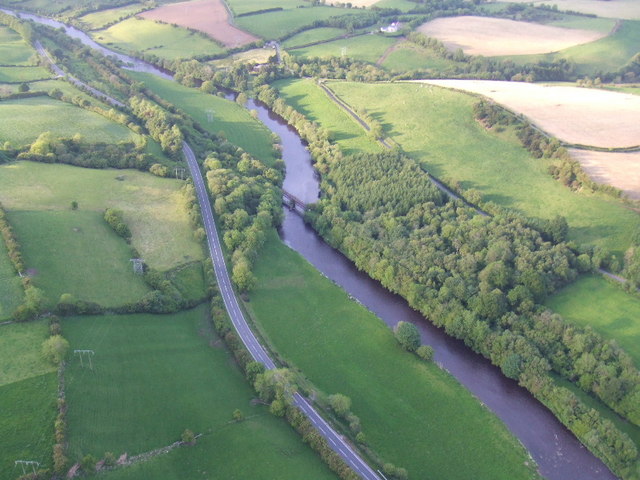

Geography and environment
The county contains upland and lowland zones. The Sperrin Mountains rise in the north and west, providing moorland, heath and hillwalking opportunities. Large areas of rolling farmland, drumlin country and peat bogs are found elsewhere in the county. Several loughs and rivers sit near or within Tyrone, and its landscape supports agriculture, forestry and outdoor recreation.
Settlements and infrastructure
Omagh is the traditional county town and a focal point for administration and services. Other significant towns include Dungannon, Strabane, Cookstown and Castlederg. Local transport is a mix of regional roads and bus services that link towns to each other and to cities beyond the county. Many rural communities remain dependent on agriculture and local enterprise.
History and identity
The name Tyrone derives from the Irish Tír Eoghain, meaning "land of Eoghan," a reference to early Gaelic rulers. For centuries the area was associated with Gaelic clans and the O'Neill dynasty in particular. Like the rest of Ulster, Tyrone was affected by the Tudor and Stuart eras, the Plantation of Ulster in the 17th century, and the political changes of the 20th century that established Northern Ireland. These events have shaped the county's cultural landscape and local identity.
Culture, sport and economy
Cultural life in Tyrone reflects both Gaelic traditions and modern community activities. The Gaelic Athletic Association (GAA) is prominent, with strong local support for Gaelic football and other native sports. Agriculture — particularly cattle and sheep farming, dairy and crop growing — remains important, alongside public services, manufacturing and tourism. The county draws visitors for hillwalking, angling and local history sites.
Administration and notable facts
Historic counties no longer serve as primary units of local government; Tyrone is now covered by several district councils such as Mid Ulster, Fermanagh and Omagh, and Derry and Strabane. The county's mix of upland scenery, archaeological sites and market towns makes it distinctive among the counties of Ulster and the wider island. For further reading about its places and services see regional portals and travel guides via local government and tourism pages.
- Main towns: Omagh, Dungannon, Strabane, Cookstown
- Principal landscape features: Sperrin Mountains, drumlin country, peat bogs
- Cultural highlights: Gaelic heritage, rural festivals, outdoor recreation
Learn more about local administration and services through council websites and community information resources: County overview, regional governance, provincial context, and general information about the island.
Related articles
Author
AlegsaOnline.com County Tyrone Leandro Alegsa
URL: https://en.alegsaonline.com/art/23547
Sources
- libraryireland.com : "Tyrone"