
County Wexford (Contae Loch Gorman)
County Wexford, in southeastern Ireland, is a coastal county in Leinster known for its maritime history, fertile farmland, 1798 rebellion legacy and attractions such as Hook Lighthouse and Rosslare ferry port.
County Wexford (Irish: Contae Loch Gorman) is a coastal county in the southeast of Ireland. It lies within the province of Leinster and takes its name from the county town, Wexford. The county has a long shoreline along the Irish Sea and a varied landscape of low hills, rivers and fertile agricultural plains. The recorded population was 145,320 in 2011.
Image gallery
10 Images




Geography and transport
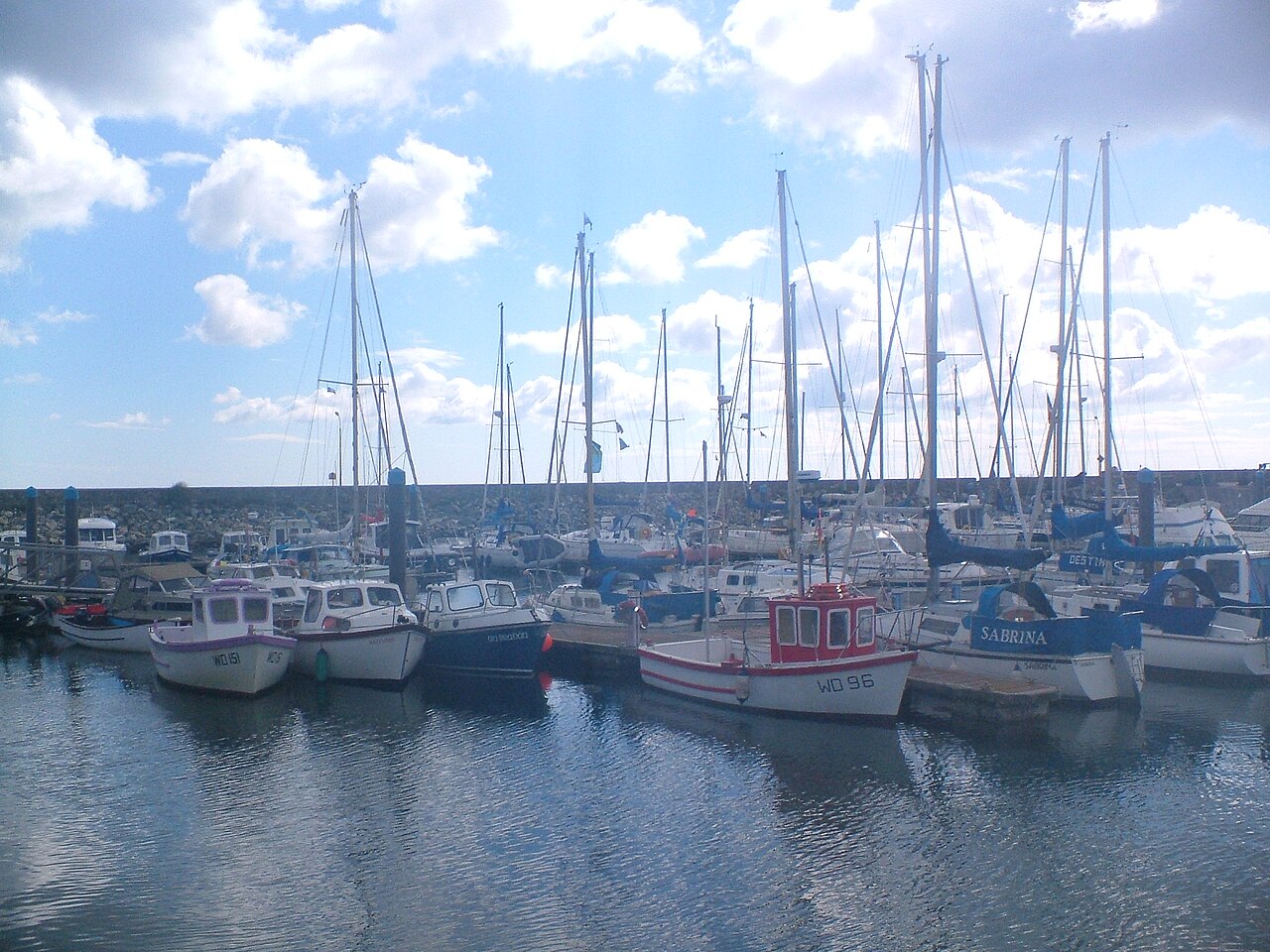
Wexford's coast, estuaries and beaches shape much of its identity. Important transport links include ferry services and a busy harbour at Rosslare, which connects the county to Great Britain and continental Europe. The county's rivers and lowlands support mixed farming and several market towns.
History and heritage
The area has a long human history, with medieval settlements, Norman influence and a strong maritime tradition. County Wexford is widely associated with the 1798 rebellion, a major uprising in Irish history that left a significant mark on local memory and monuments. The town of Wexford grew as a trading port and retains many historic buildings.
Economy and culture
Agriculture, fisheries, tourism and transport services are important to the local economy. Wexford is noted for cultural events such as an opera festival and traditional music, as well as sporting life centred on Gaelic games. Coastal tourism, seafood and local food producers also feature prominently.
Places of interest
- Wexford town – historic port and county centre
- Hook Lighthouse – one of the world’s oldest operational lighthouses
- Rosslare Europort – ferry services and maritime links
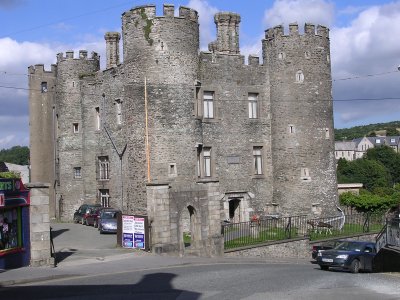
Administration is led by a county council based in Wexford, and other principal towns include Enniscorthy, Gorey and New Ross. Visitors are drawn by heritage sites, long beaches and the county's accessible location on the eastern seaboard of Ireland.
Related articles
Author
AlegsaOnline.com County Wexford (Contae Loch Gorman) Leandro Alegsa
URL: https://en.alegsaonline.com/art/23551
Sources
- independent.ie : "That's the new official population of Wexford, census results show"