
Computer virus
A computer virus is a type of malicious software that replicates by inserting copies of itself into other programs or files. This article explains how viruses work, how they spread, and how they differ from other malware.
A computer virus is a program designed to replicate itself by inserting copies into other executable code, documents, or system areas. When the host code is run, the virus code executes and can copy itself to new hosts. The term borrows its name from biological viruses because of the analogous replication mechanism; for an overview of biological analogies see biological viruses and their transmission among host organisms.
Image gallery
3 Images
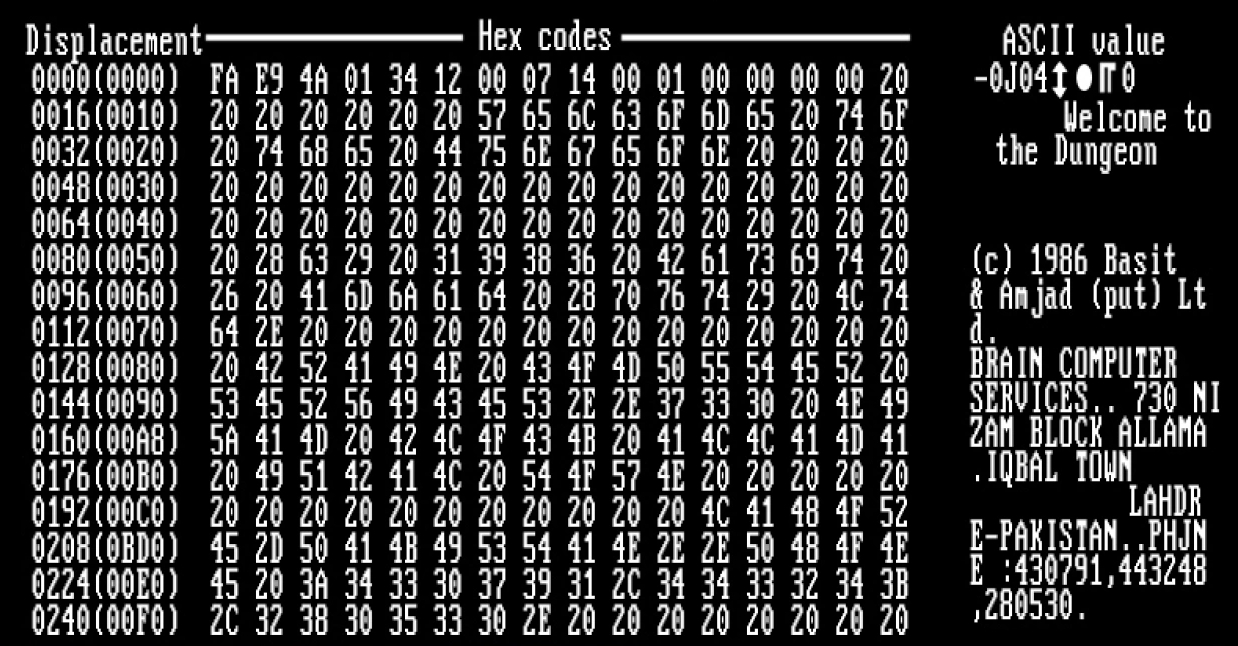

Characteristics and typical behavior
Viruses usually have two parts: a replication mechanism that locates and attaches to suitable host files, and a payload that performs actions when activated. Payloads vary widely: some are recreational or proof-of-concept, others corrupt data, display messages, steal information, or weaken system security. Many viruses include stealth techniques to avoid detection, such as code obfuscation, polymorphism (changing their code as they copy), or kernel-level hooks.
History and development
Research into self-replicating programs dates back to early computer experiments; publicly known incidents began in the 1970s and 1980s as personal computers became widespread. Early examples demonstrated replication and propagation rather than sophisticated damage. Over time, viruses evolved alongside operating systems and networks; modern variants often combine virus-like replication with capabilities associated with other malware types.
How viruses spread and why they matter
Viruses propagate through many common channels and can cause economic and operational harm by damaging files, disrupting services, or enabling further attacks. Typical transmission paths include:
- Infected program files and scripts distributed on removable media or downloads.
- Email attachments and documents with embedded macros.
- Shared network drives and unpatched software vulnerabilities.
- Compromised installers, pirated software, and social engineering lures.
Detection, prevention, and mitigation
Organizations and users rely on several layered defenses to reduce virus risk. Common measures include:
- Antivirus and endpoint protection that use signature and behavioral analysis.
- Regular software updates and security patches to close exploitable flaws.
- Safe email and web practices, such as not opening unknown attachments and verifying sources.
- Backups and incident response plans to recover from infection without paying ransoms.
Distinctions and notable facts
The word "virus" is often used loosely to mean any malicious software, but security literature distinguishes viruses from related threats. A malware family includes many types: a trojan horse typically conceals harmful behavior inside benign-seeming software, while a worm can self-replicate over networks without attaching to host files. Viruses usually require user action or execution of an infected program to spread. For broader security context see computer security.
Understanding these differences helps in designing targeted defenses: detection tuned for file infection differs from controls aimed at network-borne worms or credential-stealing trojans. Responsible research and clear legal frameworks govern work on viruses, as their creation and distribution can cause harm and is illegal in many jurisdictions.
Questions and answers
Q: What is a computer virus?
A: A computer virus is a program that is able to copy itself when it is run.
Q: How do computer viruses copy themselves?
A: Computer viruses copy themselves as part of other programs, just like biological viruses copy themselves as part of other organisms.
Q: What happens to a program that is affected by a virus?
A: A program that is affected by a virus is "infected".
Q: What other actions can a computer virus take?
A: In addition to copying itself, a computer virus can also execute instructions that cause harm.
Q: What is the relationship between computer viruses and security?
A: Computer viruses affect security and are part of malware.
Q: What are some common ways that computer viruses spread?
A: Common ways that computer viruses spread are through downloads, email attachments, and removable hardware.
Q: Why are computer viruses so dangerous?
A: Most viruses are a very dangerous kind of malware because they can cause harm to a computer's system files and are often created for a specific cause, such as spreading political messages, hacking, or other malicious purposes.
Related articles
Author
AlegsaOnline.com Computer virus Leandro Alegsa
URL: https://en.alegsaonline.com/art/22336