
Cross‑Strait relations (China–Taiwan relations)
Political, economic, social and security interactions between the People's Republic of China and the Republic of China (Taiwan), shaped by competing sovereignty claims and special institutional arrangements.
Overview
Cross‑Strait relations describes the complex interactions between two administrations that each claim to represent China: the People's Republic of China and the Republic of China. The concept is commonly rendered in Chinese; see simplified Chinese: 海峡两岸关系, traditional Chinese: 海峽兩岸關係 and pinyin: Hǎixiá Liǎng'àn Guānxì. The label covers political, economic, social and security contacts across the Taiwan Strait and denotes a relationship that is neither ordinary bilateral diplomacy nor purely internal governance.
Image gallery
10 Images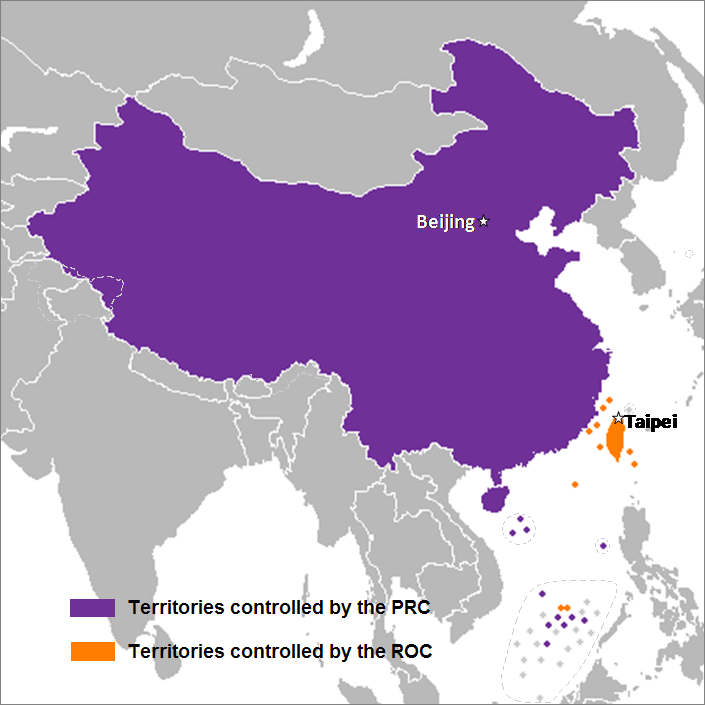



Historical background
The origins of the contemporary arrangement date to the end of the Chinese Civil War and the division of control in 1949, when the PRC established authority over mainland China and the ROC continued to govern Taiwan and nearby islands. Over the following decades, international recognition shifted, domestic political change on Taiwan—most notably democratization—and evolving global alignments have reshaped how both sides interact. These historical developments created a long‑running dispute over sovereignty while also producing incentives to manage practical cooperation.
Political and legal status
At the center of cross‑Strait relations is the competing claim that there is one China and that either the PRC or the ROC is the legitimate government of that China. This position is commonly called the One‑China policy and it shapes diplomatic posture, international representation and domestic law on both sides. Because each side regards the other's territory as part of its own sovereign domain, interactions do not follow the same legal framework as ordinary state‑to‑state relations managed by foreign ministries; nevertheless, the relationship is not purely internal either, producing a specialized legal and political status.
Institutions and channels
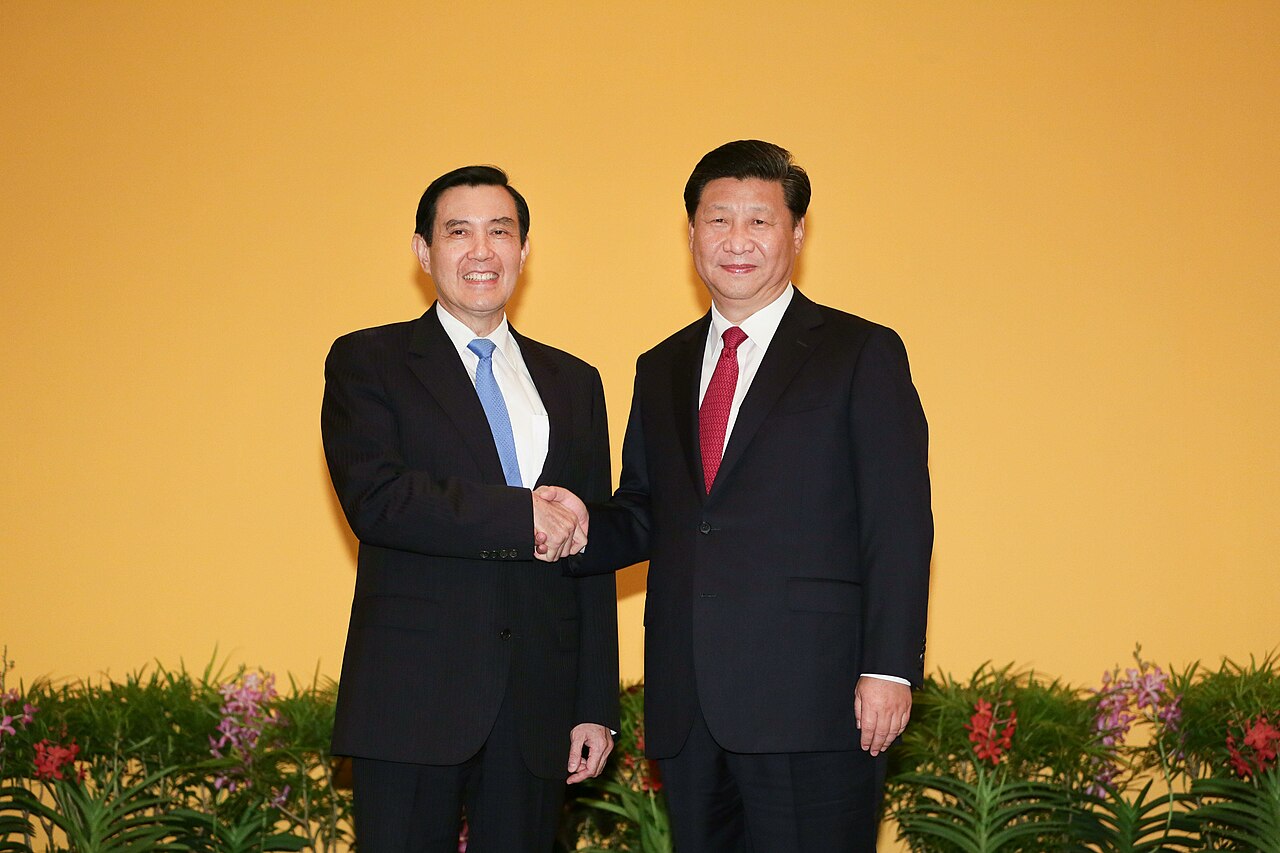
To handle practical matters without resolving the sovereignty dispute, semi‑official and intermediary bodies have been established to facilitate contact. The PRC handles many interactions through the Taiwan Affairs Office and affiliated entities; for cross‑Strait implementation and negotiations it has used organizations such as ARATS and other channels. The ROC conducts Mainland affairs via its Mainland Affairs Council and uses institutions such as the SEF for exchanges. These arrangements deliberately avoid full formal diplomatic recognition and permit dialogue on issues from transportation to health agreements while leaving core status questions unresolved.
Economic and social ties
Economic and social connections across the strait are extensive. Trade, investment, tourism, academic collaboration and family ties have formed dense networks that create mutual dependencies. Practical arrangements have enabled direct commercial links, shipping and air routes, and cooperation on issues such as air safety and disaster relief. Many businesses and communities on both sides maintain robust interactions even when political relations are strained, and economic interdependence is an important factor shaping policy choices.
Security, diplomacy and international space
Security concerns are a persistent dimension of cross‑Strait relations. Military posturing, defense planning and periodic exercises contribute to regional tensions and shape international responses. Diplomatic competition for international recognition and participation in multilateral organizations also figures prominently: both sides seek to defend and expand their international space, while third parties often balance interests in regional stability, trade and democratic values. Observers emphasize the interplay among domestic politics, external alliances and deterrence dynamics in understanding these security aspects.
Contemporary issues and channels for management
Contemporary debates encompass questions of status, potential steps toward peaceful accommodation, crisis avoidance and the legal limits of cross‑Strait interaction. Channels for crisis management include both governmental and non‑governmental contacts: official offices, semi‑official agencies, business associations, civil society exchanges and academic dialogues. Practical cooperation on public health, economic regulation and transport has often continued even amid political disputes, showing how functional needs can produce working arrangements despite unresolved sovereignty questions.
Terminology and further reading
The term "cross‑Strait relations" is used to emphasize the distinctive character of contacts between the two sides. For context on institutions and terminology see materials produced by the relevant authorities and reputable analyses of East Asian politics. This article has noted the principal elements: competing sovereignty claims, the One‑China framing, specialized intermediary mechanisms and extensive economic and social ties. For targeted topics—such as mediation mechanisms, specific agreements, or legal arguments—consult dedicated studies and primary documents from the responsible agencies.
- Key linguistic references: simplified Chinese, traditional Chinese, pinyin.
- Actors and offices: see the role of the relevant government bodies, the PRC and the ROC.
- Core policy frame: One‑China and the practical management of cross‑Strait relations through intermediary channels such as specialized mechanisms and consultative organizations.
- Geographic and political focus: issues related to Taiwan and interactions across the Taiwan Strait.
Related articles
Author
AlegsaOnline.com Cross‑Strait relations (China–Taiwan relations) Leandro Alegsa
URL: https://en.alegsaonline.com/art/24334