
Alex Haley (1921–1992): Author of Roots and collaborator on Malcolm X's autobiography
American writer Alex Haley (1921–1992) wrote Roots and co-authored The Autobiography of Malcolm X; his work popularized genealogy and oral history while also prompting discussion about historical accuracy.
Overview
Alex Haley was an American writer best known for tracing his family story in Roots and for collaborating with Malcolm X on a landmark life story. Born with mixed heritage that he described as African American, with some Irish and claimed Cherokee ancestry, Haley became a prominent figure in late 20th-century American letters and public life. He was born in Ithaca, New York and later served in the U.S. Coast Guard, where his interest in storytelling and interviewing grew.
Image gallery
10 Images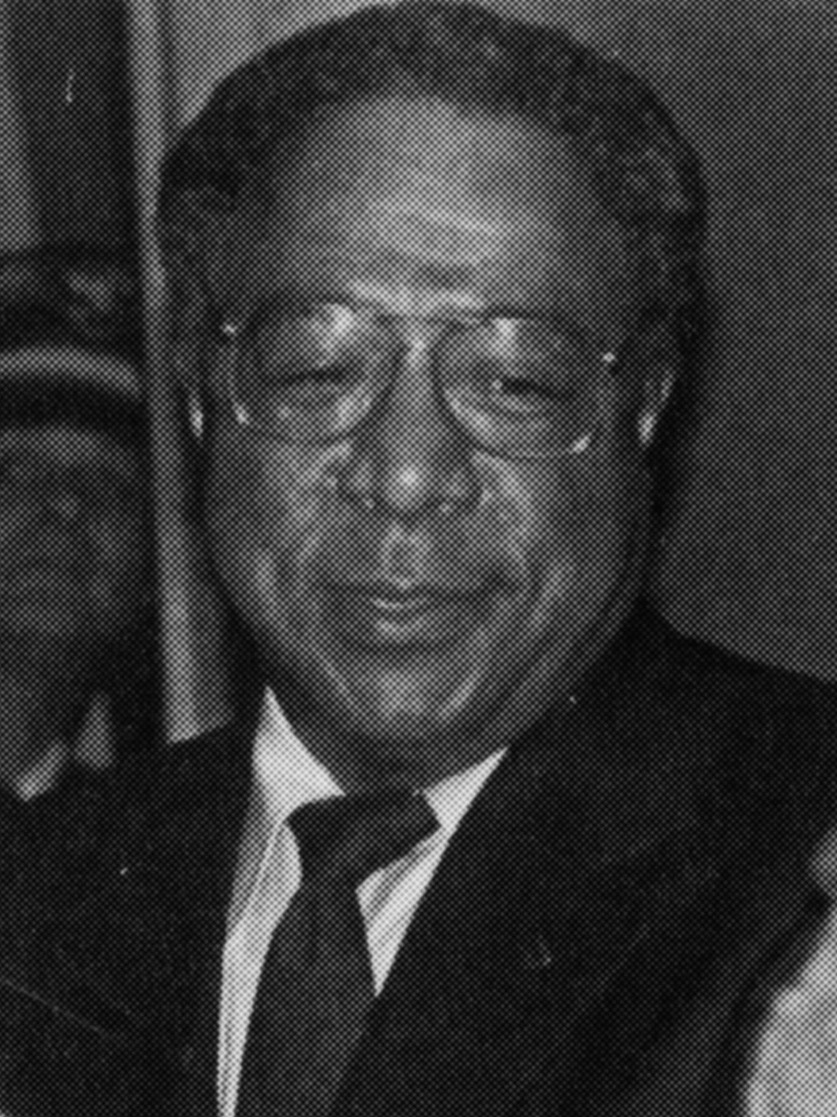


Life and career
Haley began his professional life in the military and moved into journalism and editorial work afterward. He developed a skill for oral history and long-form narrative, combining personal memory, interviews, and archival research. His collaborative work with civil-rights leaders and public figures brought national attention; the book that emerged from his conversations with Malcolm X helped shape the public's understanding of that leader.
Major works
- The Autobiography of Malcolm X (published 1965, as told to Alex Haley) — a collaborative life account that remains widely read.
- Roots: The Saga of an American Family (published 1976) — a multi-generational narrative that followed Haley's search for his African ancestor and expanded popular interest in genealogy.
Impact and legacy
Roots was adapted into a widely watched 1977 television miniseries, which brought conversations about slavery, family history, and identity into many American homes. Haley's work helped popularize genealogical research and oral-history methods among general readers. He is often credited with encouraging many people to explore family roots and to seek archival and oral sources for personal histories.
Controversies and critical reception
While celebrated for its storytelling and cultural impact, Haley's work also drew scrutiny. Historians and journalists questioned certain historical details in Roots and raised issues about source attribution. Haley faced legal challenges over similarities between passages in Roots and earlier works; at least one suit was resolved outside a full trial. These debates prompted broader discussion about the line between creative narrative and historical documentation in popular history.
Later years and death
Haley continued to write and lecture through the 1970s and 1980s. He died of a heart attack in Seattle, Washington in 1992. For further biographical details see a general biographical profile and accounts that explore his claimed roots and methods in greater depth.
Tags
Related articles
Author
AlegsaOnline.com Alex Haley (1921–1992): Author of Roots and collaborator on Malcolm X's autobiography Leandro Alegsa
URL: https://en.alegsaonline.com/art/2322
Sources
- findagrave.com : Find a Grave memorial
- news.bbc.co.uk : BBC News March 1,2009 accessed September 13, 2018
- texasresearchramblers.org : Texas Research Ramblers Volume XXIX Number 1 Spring 2014 accessed September 13, 2018