
Constance Georgine, Countess Markievicz (Constance Markievicz)
Irish political leader, revolutionary, and suffragist; first woman elected to the British House of Commons and the first female cabinet minister in Europe, founder of Cumann na mBan.
Overview
Constance Georgine, Countess Markievicz (born Gore-Booth; 4 February 1868 – 15 July 1927) was a prominent Irish nationalist, feminist and political organiser. She combined aristocratic origins with radical republican politics, played a leading role in the 1916 Easter Rising, helped found the women's paramilitary Cumann na mBan, and later served in the revolutionary Dáil Éireann.
Image gallery
10 Images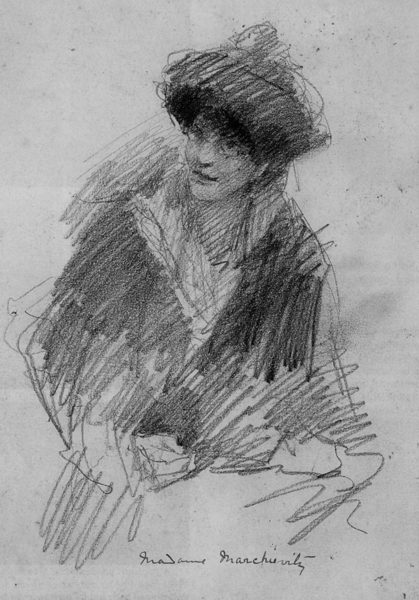


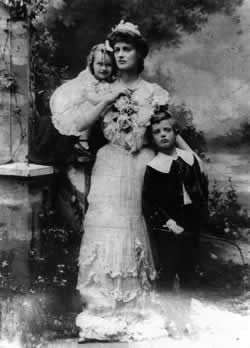
Early life and background
Born into the Anglo-Irish Gore-Booth family at Lissadell, County Sligo, she married Count Casimir Markievicz, a Polish artist, and adopted his title. Her upbringing exposed her to estate management and social issues; over time she became committed to land reform, labour rights and Irish self-government. Her social position made her political shift especially visible and controversial.
Revolutionary activity and 1916
Markievicz was an active organiser in the years before the Rising, working with suffrage and labour movements and helping to establish Cumann na mBan as a women's auxiliary to the Irish Volunteers. She took part in the 1916 Easter Rising, serving in combatant duties and later receiving a death sentence that was commuted to imprisonment because she was a woman. Her imprisonment and subsequent release in 1917 increased her national profile.
Electoral milestones and government service
In the 1918 general election she became the first woman elected to the British House of Commons, representing Dublin St Patrick's; like other Sinn Féin victors she did not take her Westminster seat and instead sat in the First Dáil, the revolutionary parliament. She was appointed Minister for Labour in the Irish Republic (1919–1922), making her one of the earliest women in Europe to hold cabinet rank. She remained an outspoken opponent of the 1921 Treaty and continued to be active in republican politics in the 1920s.
Legacy and significance
Markievicz is remembered for bridging social causes—women's rights, labour organisation and national independence. Her role challenged gender norms of the era and set precedents for women's participation in parliamentary and executive office. Commemorations of her life note both her militant and political activities and the complexity of her public image.
Further reading and resources
- Biographical overview and birth record
- Genealogical and family background
- Details of death and memorials
- Contemporary obituaries and press
- Context: Irish nationalism
- Sinn Féin history and archives
- Later party affiliations
- Dáil membership and parliamentary records
- First Dáil documentation
- Cabinet roles in early 20th-century Europe
- Ministerial appointments and duties
- Irish Republic government records
- Timeline: 1919
- Timeline: 1922 and later developments
Related articles
Author
AlegsaOnline.com Constance Georgine, Countess Markievicz (Constance Markievicz) Leandro Alegsa
URL: https://en.alegsaonline.com/art/22637