
Conjunctivitis (Pinkeye): Causes, Symptoms, Diagnosis, and Treatment
Conjunctivitis, or pinkeye, is inflammation of the conjunctiva. This article explains types, causes, symptoms, diagnosis, treatment, prevention, and when to seek medical care.
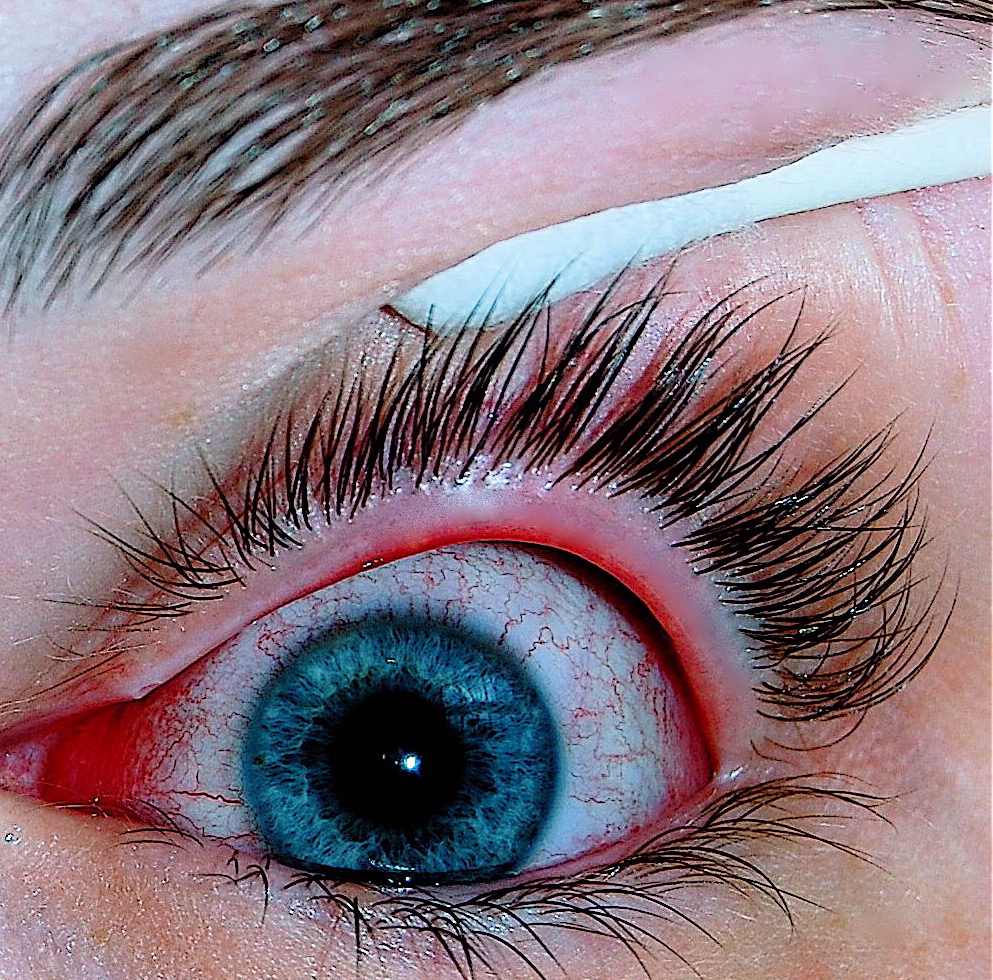
Conjunctivitis, commonly called pinkeye, is an inflammation of the thin transparent membrane that covers the front of the eye and lines the inside of the eyelids. The membrane is known as the conjunctiva, and when it becomes inflamed—medical term inflammation—the eye may redden, water, itch, and discharge. Conjunctivitis ranges from a mild, self-limiting irritation to a cause of significant discomfort and transmission risk.
Image gallery
9 Images



Types and causes
There are several common forms of conjunctivitis. Infectious types include viral conjunctivitis, often caused by adenoviruses, and bacterial conjunctivitis, due to a variety of bacterial species. Other causes are allergic reactions, chemical exposure, and neonatal conjunctivitis acquired during birth. Distinguishing the cause is important because management differs between viral, bacterial, allergic, and other types.
Typical signs and diagnosis
Symptoms can overlap but often include:
- Redness or bloodshot appearance of the eye
- Tearing or watery discharge
- Sticky or purulent discharge, especially on waking
- Itching or burning sensation
- Grittiness, sensitivity to light, or blurred vision in severe cases
Diagnosis is usually clinical, based on history and examination. In unclear cases or when infection is severe, an eye care professional may take a swab for laboratory testing. Contact lens wearers, newborns, or people with severe pain or vision changes require prompt assessment.
Treatment and prevention
Treatment depends on the cause: bacterial infections may respond to topical antibiotics, while viral conjunctivitis is managed with supportive care and hygiene measures—antiviral medication is reserved for specific viral pathogens. Allergic conjunctivitis is treated with antihistamines or mast cell stabilizers and avoidance of triggers. Basic prevention advises hand hygiene, avoiding sharing towels or cosmetics, and appropriate contact lens care. People should avoid touching the eyes and stay home during contagious phases to reduce spread.
Anatomical context helps understand symptoms: the conjunctiva overlies the front of the eye and meets the inside of the outer eye structures and the inner surface of the eyelid. Historically called "pinkeye" for its appearance, conjunctivitis is common across all ages and often managed in primary care, though complications and certain forms (for example, neonatal or herpes-related) require specialist attention. For more clinical detail or guidance, consult specialist resources and local health advice on the conjunctiva and infectious eye disease management.
Related articles
Author
AlegsaOnline.com Conjunctivitis (Pinkeye): Causes, Symptoms, Diagnosis, and Treatment Leandro Alegsa
URL: https://en.alegsaonline.com/art/22540