
Eyelid: Structure, Function, and Clinical Overview
A concise guide to the eyelid — its anatomy, roles in protection and tear distribution, development, common disorders, and clinical importance.
Overview
The eyelid is a thin, movable fold of skin and soft tissue that covers and protects the front of the eye. It forms the first line of defense for the eyeball and works constantly to preserve a clear, moist surface necessary for good vision. For general context about the eye and its components see eye anatomy.
Image gallery
10 Images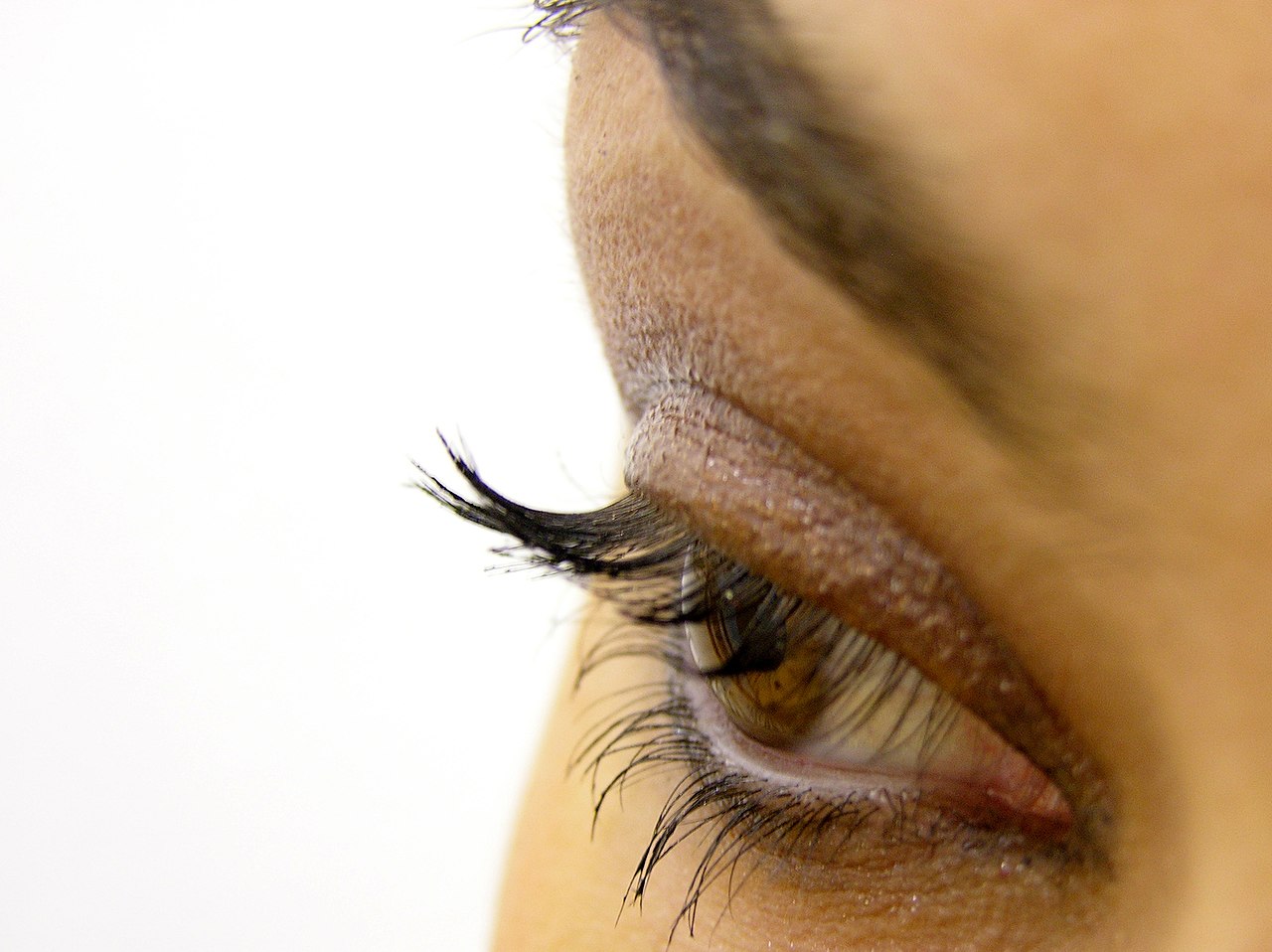




Anatomy and components
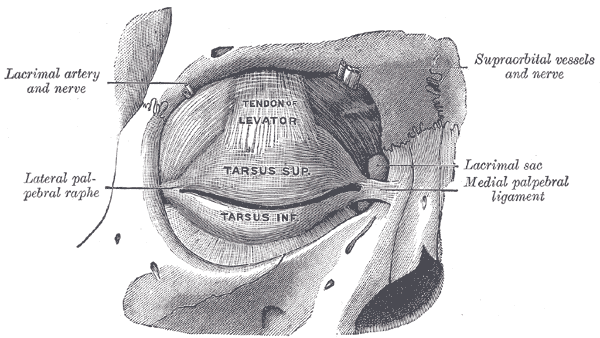
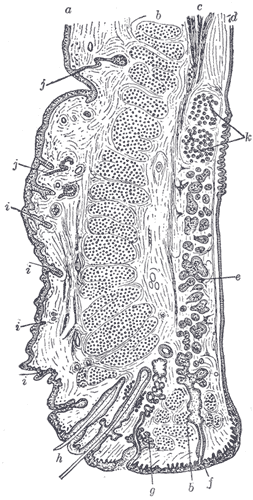
Although superficially simple, the eyelid contains several distinct layers and specialized structures. Major components include the skin, the orbicularis oculi muscle that closes the eyelid, the levator muscle that elevates it, the tarsal (plate) connective tissue that gives shape, eyelashes at the lid margin, and glands that supply lipids and mucus to the tear film. Eyelashes reduce entry of particles and help redirect sweat away from the eye; for more on lashes see eyelash function.
Primary functions
- Protection: Eyelids shield the delicate surface of the eye from debris, bright light and physical contact.
- Tear film maintenance: Blinking spreads tears and oily secretions across the cornea and conjunctiva to keep them moist and smooth; this protects the cornea and supports refraction. The cornea's need for moisture is critical — read about the cornea here.
- Reflexes: Rapid closure in response to stimuli prevents injury; this blink reflex is a rapid defensive action coordinated by sensory input and motor output (blink reflex).
- Comfort and expression: Eyelids help remove excess fluid such as sweat from the forehead and brow area, keeping irritants away from the ocular surface (sweat diversion).
Mechanisms and behaviour
Blinks occur involuntarily and voluntarily. Basal blinking maintains surface lubrication, whereas reflex blinking reacts to sudden stimuli. During sleep the eyelids close to reduce evaporation and protect the eye when visual input is not required. The coordinated action of muscles and glands ensures that each blink refreshes the tear layer and clears small particles.
Clinical relevance and common conditions
Eyelid problems are frequent and range from mild to sight-threatening. Common conditions include blepharitis (inflammation at the lid margin), chalazion or stye (gland blockages), ptosis (drooping), and injuries or skin lesions that may require surgical repair. Because eyelids host oil-producing glands, dysfunction can cause dry eye by disrupting the tear film.
Development, cultural and surgical notes
During fetal development eyelids form and later separate so the eyes can open at birth. Across cultures, eyelids and eyelashes have aesthetic and expressive roles; they are also a focus of reconstructive and cosmetic surgery when damaged or when appearance is altered. Clinicians evaluate eyelid motion, symmetry and health as part of routine eye care.
Key distinctions
It is useful to distinguish eyelid surface skin (very thin and sensitive) from the deeper structural elements (muscle and tarsus) and from the secretory glands that affect tear quality. Understanding these layers helps explain why eyelid disorders may produce symptoms such as itching, foreign-body sensation, tearing, crusting or visual disturbance.
For further reading on specific topics mentioned above, follow the linked subjects: eye overview, eyelashes, sweat and the ocular surface, cornea, and blink reflex.
Related articles
Author
AlegsaOnline.com Eyelid: Structure, Function, and Clinical Overview Leandro Alegsa
URL: https://en.alegsaonline.com/art/33077