
Computer-aided manufacturing (CAM)
Computer-aided manufacturing (CAM) uses computer systems to plan, control and automate manufacturing equipment, improving precision, efficiency and repeatability across many industries.
Overview
Computer-aided manufacturing (CAM) refers to the use of computers and software to plan, control and automate machine tools and related equipment in the production of physical parts. CAM systems translate digital designs into instructions that direct machinery, enabling complex shapes and tight tolerances while reducing manual setup. Many CAM workflows are closely integrated with computer-aided design (CAD) so that geometric models become actionable machining processes.
Image gallery
2 Images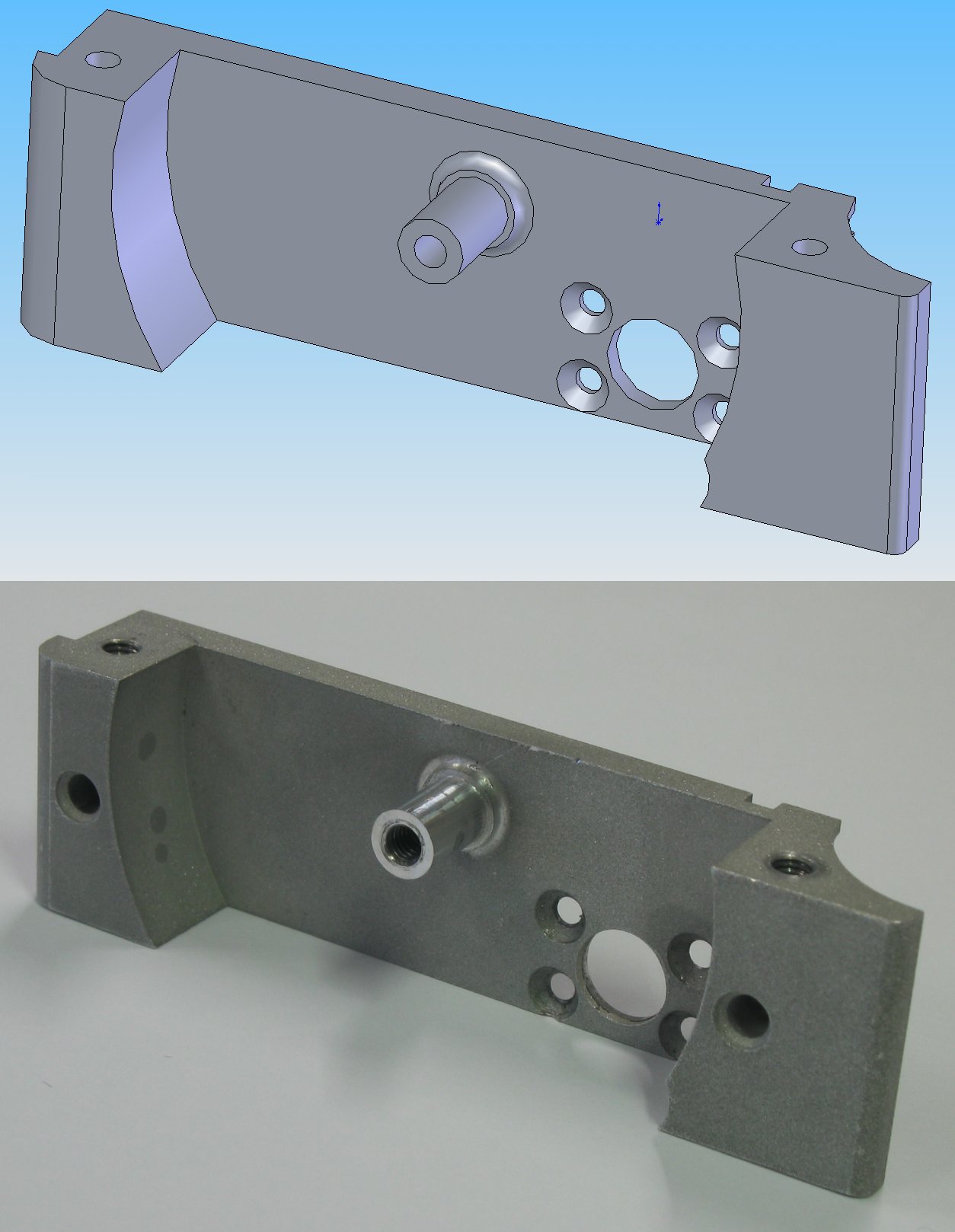
Key components
Typical CAM environments combine several elements to deliver finished parts:
- Post-processing: converts toolpaths into machine-specific code (G-code).
- Toolpath generation: plans cutting sequences and motions for milling, turning, or other operations.
- Simulation and verification: checks for collisions, overcuts and ensures safe operation.
- Machine control: interfaces with numerically controlled (NC) machines and robots via control software or networked links such as digital interfaces.
- Integration with equipment: links CAM to physical machine tools and fixtures through adapters and drivers (see machine communication).
History and development
CAM evolved from early numerical control (NC) in the 1950s and 1960s, when punched tapes and analog controls gave way to digital controllers. Advances in computing power, graphics and software in the 1980s and 1990s made interactive CAM practical. Modern systems add high-level strategies for multi-axis machining, additive processes and automation of production planning.
Uses and examples
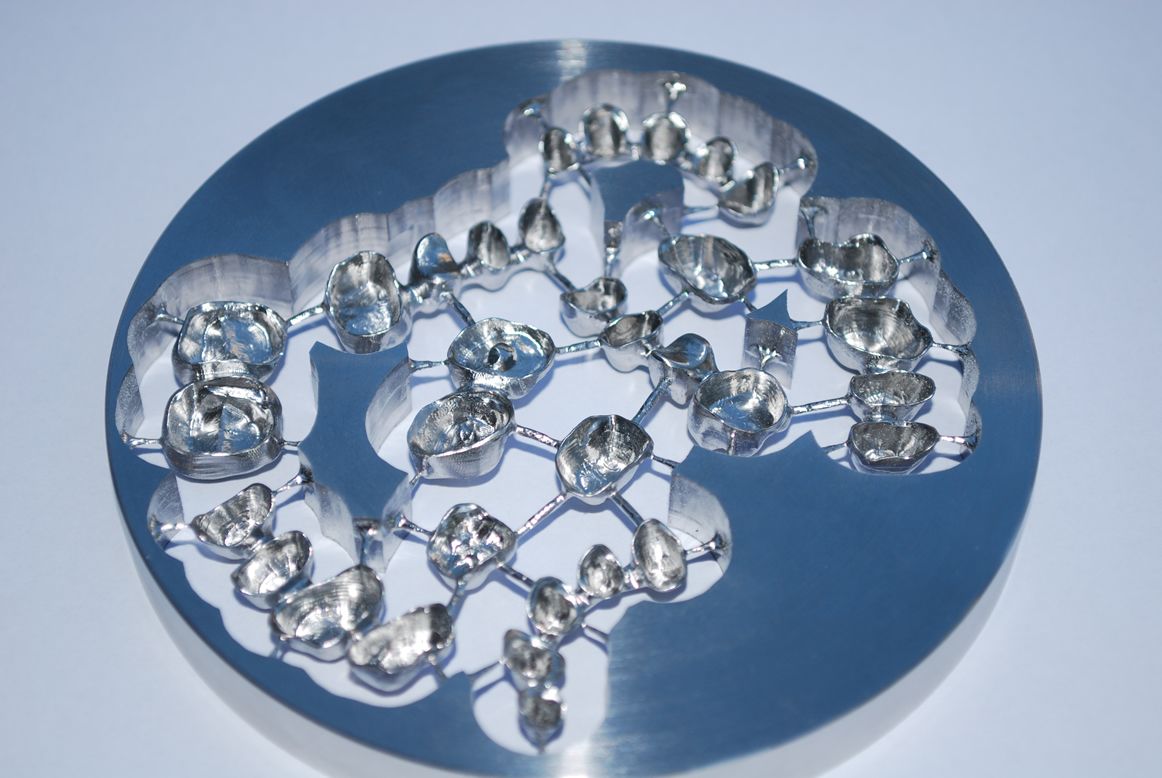
CAM is used in aerospace, automotive, medical devices, consumer products and many job shops. Examples include 3D machining of turbine blades, precision dental restorations, and automated cutting programs for sheet metal. CAM also supports hybrid processes combining subtractive and additive manufacturing.
Advantages, limitations and distinctions
Benefits include higher accuracy, repeatability and faster setup compared with manual methods. CAM reduces human error and enables complex geometries. Limitations include initial software and training cost, dependency on accurate CAD data, and the need for skilled programmers for advanced tasks. CAM is distinct from CAD, which focuses on geometry and design; together they form CAD/CAM workflows that span from concept to production.
Notable trends
Current developments emphasize automation, cloud-based toolpath processing, real-time machine monitoring and greater support for multi-axis and additive processes. These trends aim to shorten production cycles and improve integration between design, manufacturing and enterprise systems.
Related articles
Author
AlegsaOnline.com Computer-aided manufacturing (CAM) Leandro Alegsa
URL: https://en.alegsaonline.com/art/22302