
Computational biology: algorithms, models and applications
Study of biological problems using algorithms, statistical models and computational tools; integrates biology with mathematics, engineering and computer science for research and practical applications.
Overview
Computational biology is the interdisciplinary science that develops and applies computational methods to understand biological systems. It addresses problems in molecular biology, ecology, evolution and medicine by translating biological questions into algorithmic and statistical tasks. Practitioners combine domain knowledge with quantitative tools to analyze data, build predictive models and test hypotheses.
Image gallery
6 Images


Methods and approaches
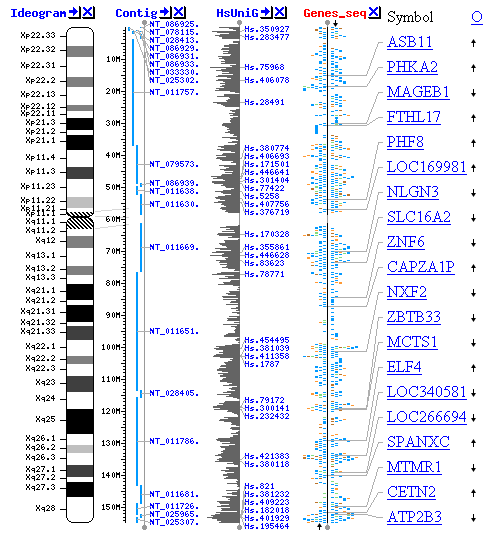
Typical approaches include algorithm design for sequence and graph problems, statistical inference for noisy measurements, machine learning for pattern discovery, and mechanistic simulation for dynamics. Work in the field often rests on foundations from other disciplines: algorithms, statistics and numerical methods are central, while core biological concepts come from biology.
Common methods:
- Sequence alignment, assembly and annotation
- Structural modeling of proteins and nucleic acids
- Network and systems-level modeling
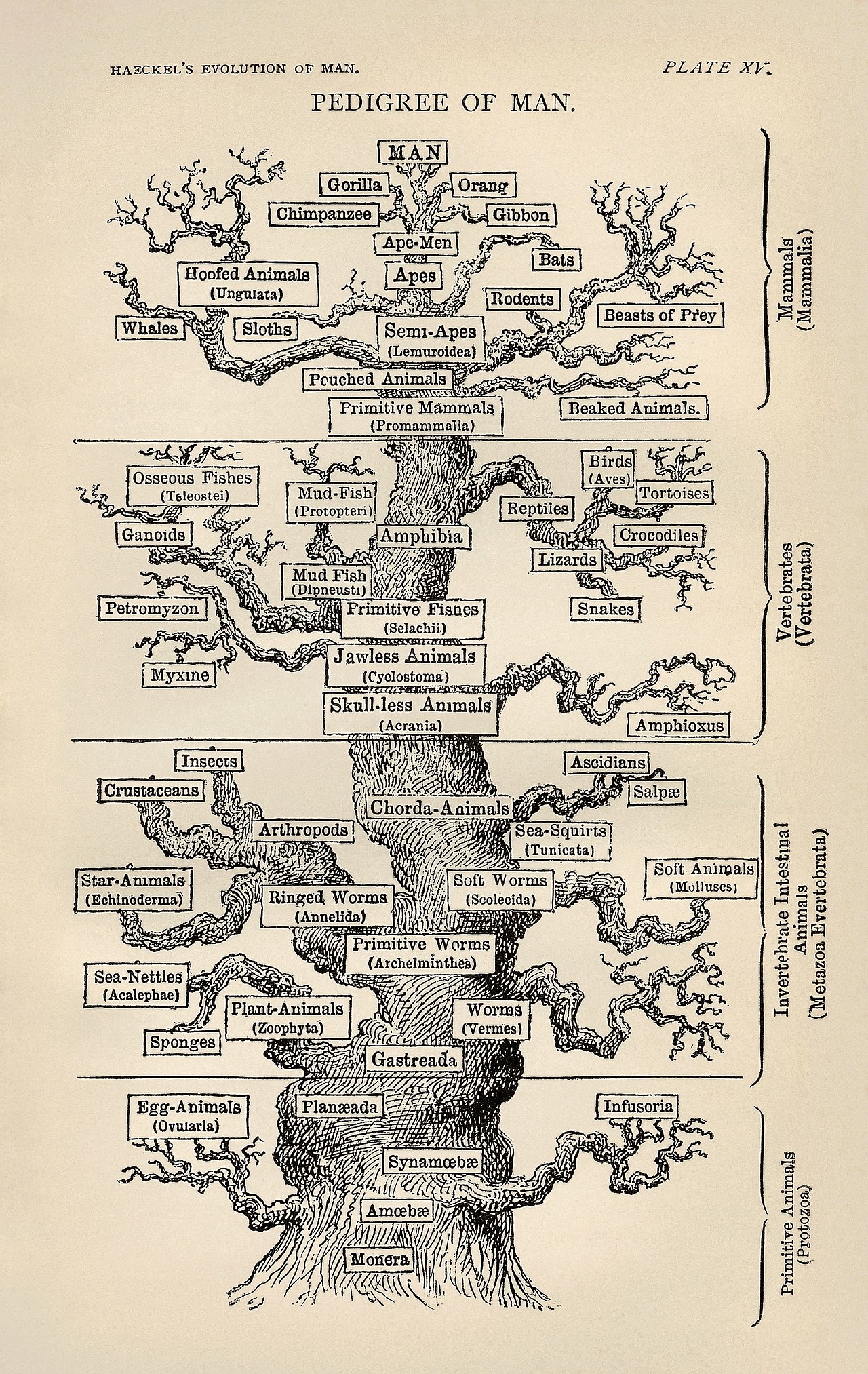
- Population genetics and phylogenetic inference
- Image analysis and single-cell data processing
Applications and importance
Computational biology enables large-scale analysis that would be impossible by hand. It supports genome interpretation, identification of drug targets, simulation of epidemics, design of experiments and integration of heterogeneous datasets. In industry and academia it accelerates discovery, reduces experimental cost, and helps translate basic research into clinical or environmental applications.
History, training and disciplines
The field expanded as molecular data and computing power grew. It draws people trained in engineering, physics, statistics and chemistry as well as biology, creating teams that mix experimental and computational skills. Training pathways include biology with quantitative specialization or computer science/engineering with applied biology coursework.
Distinctions and challenges
Terms such as "bioinformatics" and "computational biology" overlap; some use them interchangeably, while others reserve bioinformatics for data management and tools and computational biology for modeling and hypothesis-driven simulation. Ongoing challenges include reproducibility, managing ever-larger datasets, model interpretability, and ensuring methods are validated against experiments. As biological data grows, computational biology will remain essential to convert raw measurements into biological insight.
For introductory resources see foundational texts and community repositories linked through domain portals such as biology resources and software libraries listed at public indexes (algorithms, statistics).
Related articles
Author
AlegsaOnline.com Computational biology: algorithms, models and applications Leandro Alegsa
URL: https://en.alegsaonline.com/art/22296
Sources
- bisti.nih.gov : bisti.nih.gov
- brown.edu : brown.edu/research/projects/computational-molecular-biology/
- commons.wikimedia.org : Bioinformatics