
Conosa: subphylum of Amoebozoa including slime molds and archamoebae
Conosa is a major subphylum of Amoebozoa that includes slime moulds and amitochondriate amoebae; it contains model organisms, parasites and diverse soil and aquatic species.
Overview
Conosa is one of the principal subphyla within the larger group of Amoebozoa. Its members are amoeboid eukaryotes that share a common evolutionary lineage and a set of cellular and genetic traits. Conosa is usually divided into two main infraphyla, the Mycetozoa and the Archamoebae, groups that differ in life history and cellular organisation.
Image gallery
4 Images
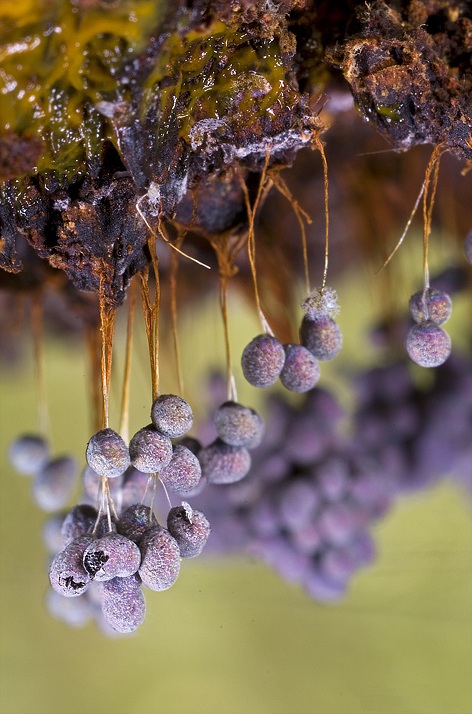
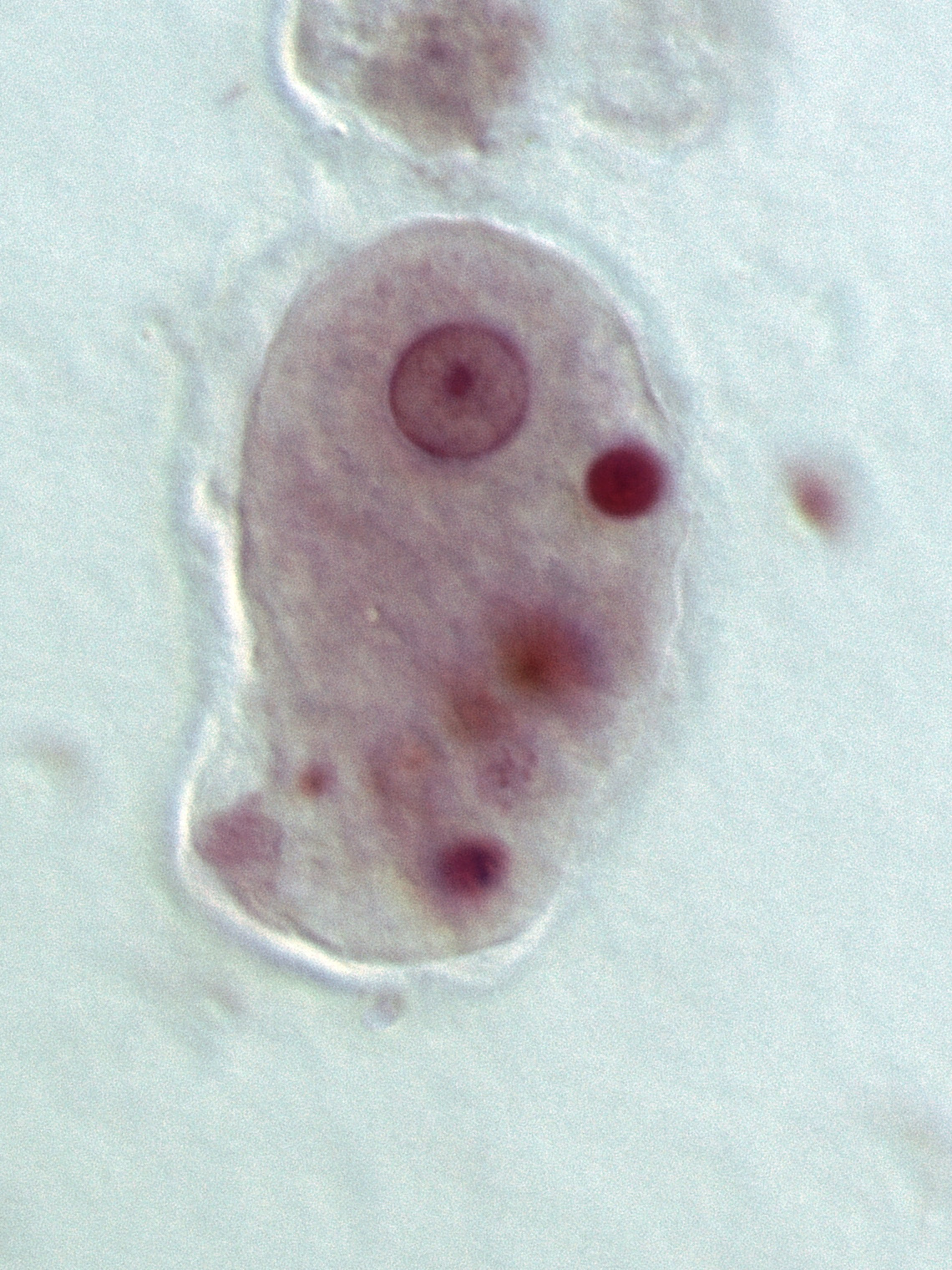

Morphology and cell biology
Conosan cells are typically amoeboid, using pseudopodia for locomotion and feeding, but the external morphology is often simple and convergent across many taxa. Diagnostic features are most frequently detected by ultrastructural studies and molecular markers rather than by light-microscope characters. Some Conosa retain conventional organelles such as mitochondria, while other lineages show modified or reduced forms. Notably, many archamoebae are characterised by the absence or extreme modification of conventional mitochondria, a condition associated with anaerobic or parasitic lifestyles.
Life cycles and ecology
The infraphylum Mycetozoa includes the classical slime moulds, organisms that may alternate between single-celled amoebae and multicellular fruiting stages. These life cycles make them important decomposers and regulators of bacterial populations in soils and on decaying material. Other Conosa are free-living in freshwater, marine or soil habitats, and some are facultative or obligate parasites of animals and humans.
Diversity and taxonomy
About 2,000 species have been described in Conosa, although environmental sequencing and targeted surveys indicate that true diversity is substantially higher. Because many species present few clear morphological differences, taxonomists increasingly rely on DNA sequences and molecular phylogenetics to delimit species and infer relationships. This shift has led to repeated revisions in classification and to the recognition of cryptic lineages.
Notable species and scientific importance
Conosa contains species of ecological, biomedical and experimental importance. The slime mould Dictyostelium discoideum is a widely used model for studying cell signalling, development and social behaviour in eukaryotes. Members of the Archamoebae include medically important amoebae such as Entamoeba histolytica, an intestinal parasite of humans. Together, these taxa provide systems to study multicellularity, host–parasite interactions and adaptations to low-oxygen environments.
Phylogeny, research methods and future directions
Research on Conosa relies on combined approaches: comparative morphology, electron microscopy, single-gene and multi-gene phylogenies, genomic sequencing and environmental DNA surveys. Advances in molecular biology and high-throughput sequencing are accelerating discovery and prompting taxonomic change. Studies aim to resolve deep relationships within Amoebozoa, to understand when and how mitochondrial reduction occurred in some archamoebae, and to document the hidden diversity present in soils and aquatic systems.
Because many Conosa are small and morphologically simple, curated reference databases and sequence data sets are essential for accurate identification. For accessible introductions and taxonomic outlines see specialist resources on Amoebozoa, reviews of slime moulds, and treatments of the Mycetozoa and Archamoebae. For specific topics such as mitochondrial adaptations consult dedicated summaries and primary literature on mitochondrial biology.
Continued sampling, microscopy and genetic sequencing will refine species boundaries and ecological roles within Conosa, improving our understanding of their evolution and their contributions to ecosystems and human health.
Related articles
Author
AlegsaOnline.com Conosa: subphylum of Amoebozoa including slime molds and archamoebae Leandro Alegsa
URL: https://en.alegsaonline.com/art/22574
Sources
- www3.interscience.wiley.com : "A revised six-kingdom system of life"
- doi.org : 10.1111/j.1469-185X.1998.tb00030.x
- pubmed.ncbi.nlm.nih.gov : 9809012
- pnas.org : "The analysis of 100 genes supports the grouping of three highly divergent amoebae: Dictyostelium, Entamoeba, and Mastigamoeba"
- doi.org : 10.1073/pnas.032662799
- ncbi.nlm.nih.gov : 122205
- pubmed.ncbi.nlm.nih.gov : 11830664
- dx.plos.org : "Comparing the Dictyostelium and Entamoeba genomes reveals an ancient split in the Conosa lineage"
- doi.org : 10.1371/journal.pcbi.0010071
- ncbi.nlm.nih.gov : 1314882
- pubmed.ncbi.nlm.nih.gov : 16362072