
Competition (biology)
Interaction in which organisms or species reduce each other's fitness by using or defending limited resources; includes exploitative and interference forms and shapes ecological and evolutionary outcomes.
Overview
In ecology, competition describes an interaction where one organism's or one species' success is lowered by another's presence because they require the same limited resources. Competition can operate within a population (intraspecific) or between different species, and it is a central concept in evolutionary theory and natural selection. The immediate consequence of competition is reduced fitness for at least one competitor, which can influence survival, growth and reproduction.
Image gallery
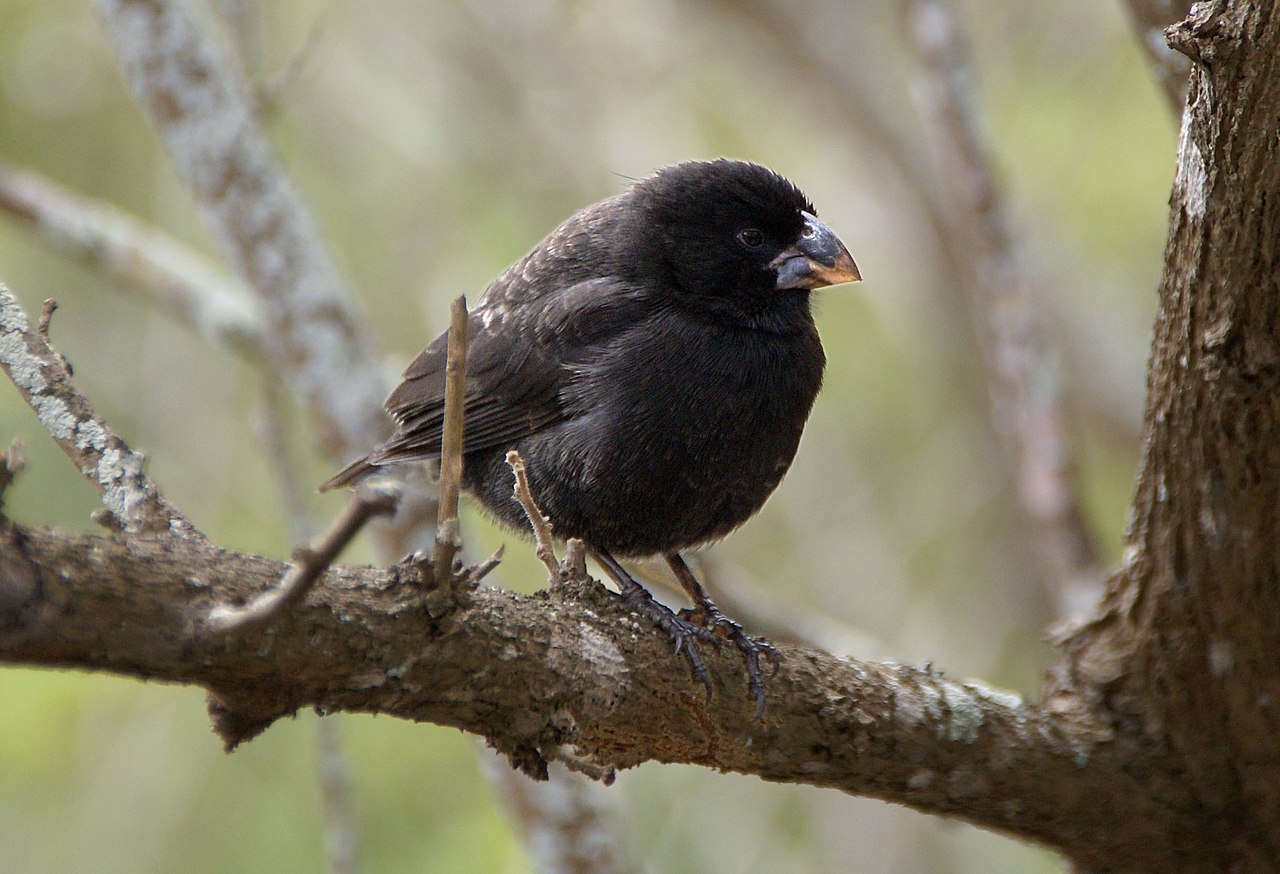
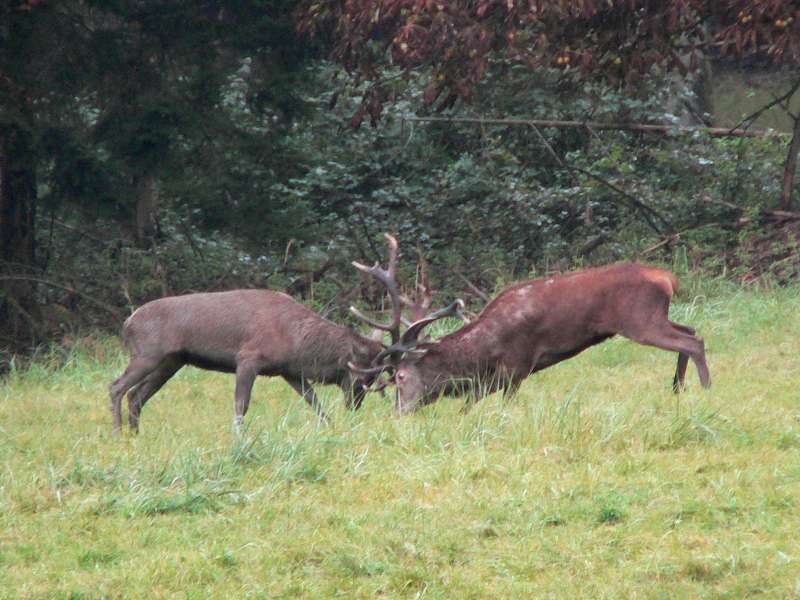
5 Images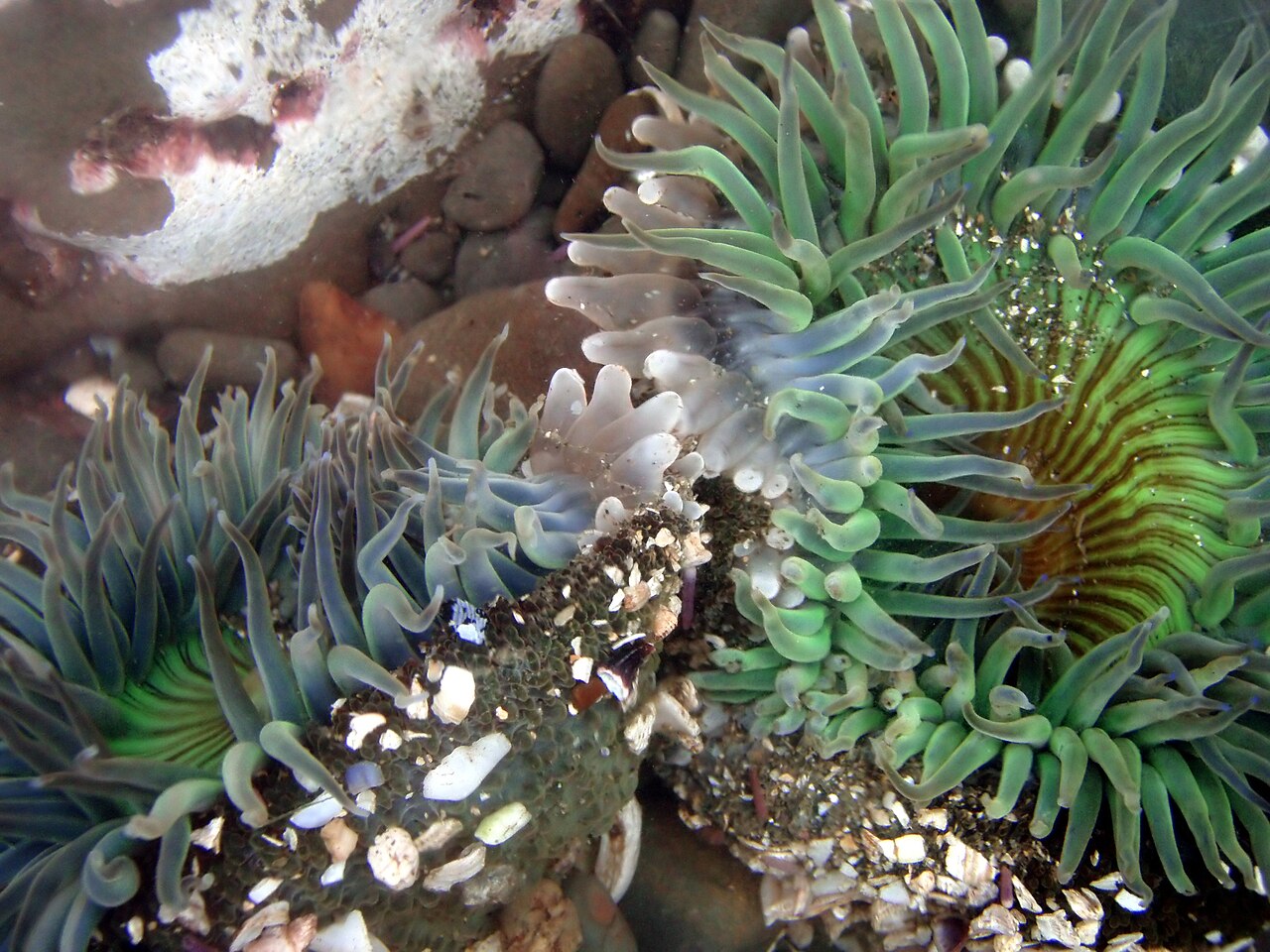


Types and mechanisms
Biologists commonly distinguish two broad mechanisms. Exploitative competition occurs when individuals consume or sequester shared resources so that less is available to others. Interference competition happens when organisms actively prevent others from accessing resources, through aggressive behavior, territoriality, or chemical inhibition.
- Exploitative: competing for food, water, light, or nutrients like nitrogen.
- Interference: defending territory, direct aggression, or producing toxins (allelopathy).
Examples and empirical observations
Classic examples include plants that deplete soil nutrients for neighbors, animals contesting feeding sites, and microbes producing antibiotics to suppress rivals. Some species gain advantages by arriving early and monopolizing resources, while others tolerate lower resource levels. A striking behavioral case involves ants: some species physically obstruct rivals' nest entrances to reduce their foraging success, an instance of interference competition (Novomessor cockerelli vs. harvester ants).
Ecological and evolutionary consequences
Competition can drive changes in species' distributions, abundances, and traits. Persistent competition may lead to competitive exclusion, where one competitor is locally eliminated, or to niche differentiation and resource partitioning that permit coexistence. Over evolutionary time, these dynamics can produce character displacement—divergent traits that reduce overlap in resource use.
Measurement, management, and notable distinctions
Researchers infer competition from experiments, removal studies, and observations showing reduced performance in the presence of competitors. Distinguishing competition from other interactions (predation, mutualism) is important because management or conservation responses differ: for example, restoring a resource can mitigate negative effects of competition, while removing an invasive competitor may be required when exclusion threatens native populations. At the organismal level, individual organisms employ many strategies—behavioural, physiological and spatial—to cope with competing demands.
Related articles
Author
AlegsaOnline.com Competition (biology) Leandro Alegsa
URL: https://en.alegsaonline.com/art/22230